LED vs LCD: Which Is Better for Your Display Needs in 2025?
2025-08-22
LED vs LCD: Which Is Better for Your Display Needs in 2025?
When it comes to choosing a display, the debate between LCD vs LED has long been a focal point for consumers and businesses alike. With rapid advancements in display technology, the question “which is better LED vs LCD” becomes even more critical in 2025. Whether you’re shopping for a home TV, a commercial digital sign, or a professional monitor, understanding the key differences between these two technologies can help you make an informed decision. In this guide, we’ll break down their technical workings, performance metrics, and ideal use cases to clarify which option suits your needs best.
How LCD and LED Displays Work: Core Differences
To understand the LCD vs LED debate, it’s essential to start with their basic technology. LCD (Liquid Crystal Display) panels use a layer of liquid crystals that block or allow light to pass through when an electric current is applied. However, LCDs can’t produce light on their own—they rely on a backlight, typically made of fluorescent tubes (in older models) or LED strips (in modern ones).
LED displays, on the other hand, are a subset of LCD technology in consumer electronics, but in commercial and large-format contexts, “LED” often refers to direct-emission displays. These use arrays of light-emitting diodes that generate their own light, eliminating the need for a separate backlight. This fundamental difference in lighting is what drives most of their performance variations, from brightness to energy efficiency.
Brightness and Visibility: A Key Distinction in LCD vs LED
Brightness is a critical factor, especially for displays used outdoors or in well-lit environments. LED displays excel here: direct-emission LED panels can reach brightness levels of 1,000 to 5,000 nits or more, making them highly visible even in direct sunlight. This is why outdoor digital billboards, stadium screens, and large event displays almost exclusively use LED technology.
LCDs, dependent on backlights, typically max out at 300 to 800 nits. While this is sufficient for indoor use (like home TVs or office monitors), they struggle in bright conditions. The backlight can cause glare, and the liquid crystals can’t block light perfectly, leading to washed-out images. For commercial applications requiring high visibility, this makes the answer to “which is better LED vs LCD” clear—LED takes the lead.
Energy Efficiency: Long-Term Cost Implications
Energy consumption is a major consideration for both households and businesses managing multiple displays. LED displays are generally more energy-efficient than traditional LCDs with fluorescent backlights. Direct-emission LEDs only use power for the diodes that are active, meaning black or dark areas consume less energy.
Modern LCDs with LED backlights (often marketed as “LED TVs”) are more efficient than older LCDs but still lag behind direct-emission LEDs in large formats. For example, a 55-inch LED-backlit LCD might use 50–100 watts, while a similarly sized direct-emission LED display uses 30–70 watts. Over time, especially for 24/7 commercial use, the energy savings of LEDs add up significantly, offsetting their higher upfront cost.
Contrast Ratio and Image Quality
Contrast ratio— the difference between the brightest whites and darkest blacks—directly impacts image depth and clarity. LED displays have a distinct advantage here. Direct-emission LEDs can turn individual diodes off completely, creating true blacks and infinite contrast ratios. This results in vibrant, high-contrast images with sharp details, ideal for watching movies, gaming, or displaying high-quality visuals in retail settings.
LCDs, even with LED backlights, struggle with contrast. The backlight is always on, so light bleeds through liquid crystals, making blacks appear grayish. While technologies like local dimming (dimming specific backlight zones) improve this, they can’t match the precision of direct-emission LEDs. For applications where image depth matters, LEDs are the better choice in the LCD vs LED comparison.
Lifespan and Durability: Which Lasts Longer?
Durability is crucial for displays in high-use or harsh environments. LED displays have a longer lifespan, typically lasting 50,000 to 100,000 hours of use (5–10 years with 24/7 operation). Their solid-state design (no moving parts) makes them resistant to shock, vibration, and temperature fluctuations—perfect for outdoor or industrial settings.
LCDs have a shorter lifespan, around 30,000 to 60,000 hours, due to backlight degradation. Fluorescent backlights in older LCDs fail faster, while LED-backlit LCDs last longer but still can’t match direct-emission LEDs. Additionally, LCD panels are more sensitive to physical damage and extreme temperatures, limiting their use in rugged conditions.
Cost Comparison: Upfront vs. Long-Term Value
Cost is often the first factor considered in LCD vs LED decisions. LCDs, especially LED-backlit models, have lower upfront prices. A 55-inch LCD TV might cost \(300–\)800, while a comparable direct-emission LED display could range from \(800–\)2,000. For budget-conscious consumers or small-scale indoor use, LCDs offer immediate affordability.
However, LEDs provide better long-term value. Their energy efficiency reduces utility bills, and their longer lifespan means fewer replacements. For commercial users—like retail stores, stadiums, or digital signage networks—the higher initial investment in LEDs pays off over time. When calculating total cost of ownership, LEDs often emerge as the more economical choice.
Ideal Use Cases: Matching Technology to Needs
The answer to “which is better LED vs LCD” depends heavily on how you plan to use the display:
- LED Displays: Best for outdoor digital signage, stadium screens, large-format video walls, high-brightness retail displays, and environments with direct sunlight. Their durability and image quality shine in these settings.
- LCD Displays: Suitable for home TVs, office monitors, indoor digital signs in controlled lighting, and budget-friendly applications where extreme brightness or contrast isn’t critical. LED-backlit LCDs strike a balance for everyday use.
Conclusion: Making the Right Choice in 2025
The LCD vs LED debate isn’t about one technology being universally better—it’s about matching features to your needs. LEDs excel in brightness, contrast, durability, and long-term efficiency, making them ideal for commercial, outdoor, or high-performance applications. LCDs, particularly LED-backlit models, remain a cost-effective option for indoor, low-to-moderate use.
As technology advances in 2025, LEDs continue to become more affordable, narrowing the price gap. For most users prioritizing image quality, longevity, or outdoor use, LEDs are the clear winner. For budget-focused indoor needs, LCDs still hold value. By evaluating your environment, usage patterns, and budget, you can confidently answer “which is better LED vs LCD” for your specific situation.
How to Choose the Right Pixel Pitch for Your LED Display: A Complete Guide
LED Display Basics: Exploring Classification and Collaborative Mechanisms (Part 2)
Related Article
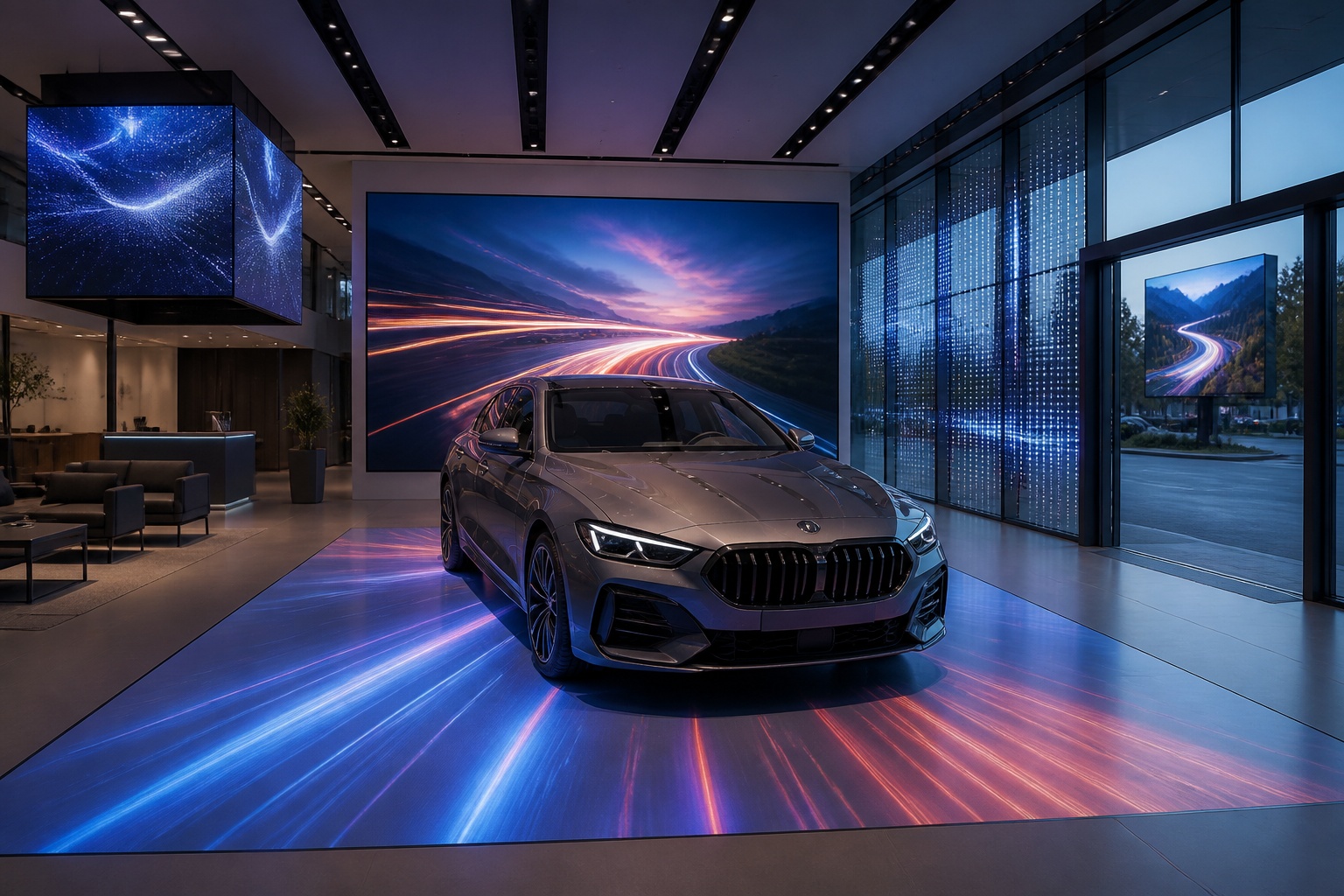
A B2B technical guide to selecting and combining fixed, floor, transparent, cube and other LED displays for automotive dealerships and 4S showrooms.
What LED Displays Can a 4S Dealership Use and How Should They Be Combined?
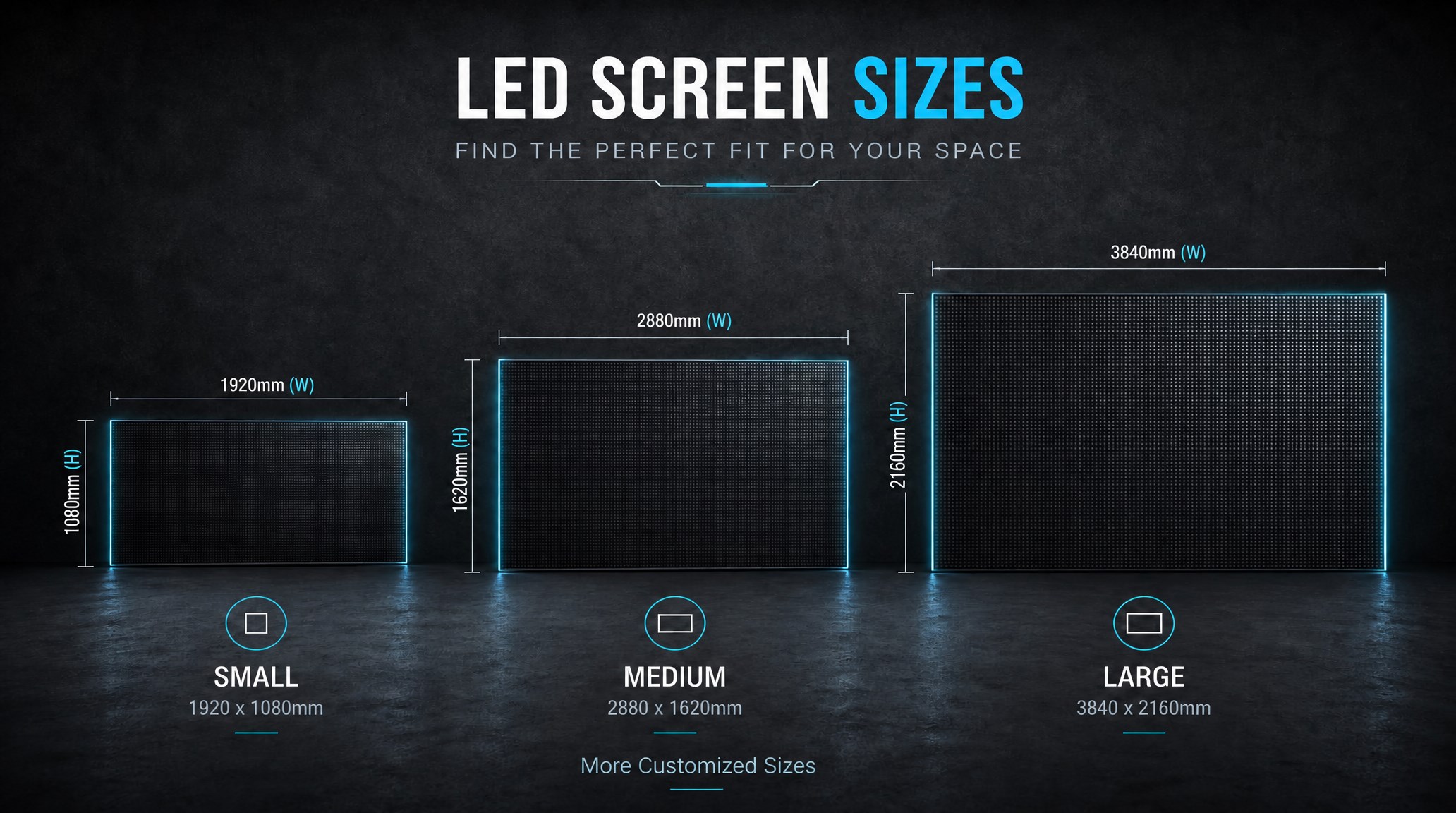
A practical guide explaining how to calculate LED display size, select pixel pitch, determine viewing distance, and choose suitable LED wall dimensions for commercial projects.
How to Choose the Right LED Display Size? Complete LED Screen Size Guide
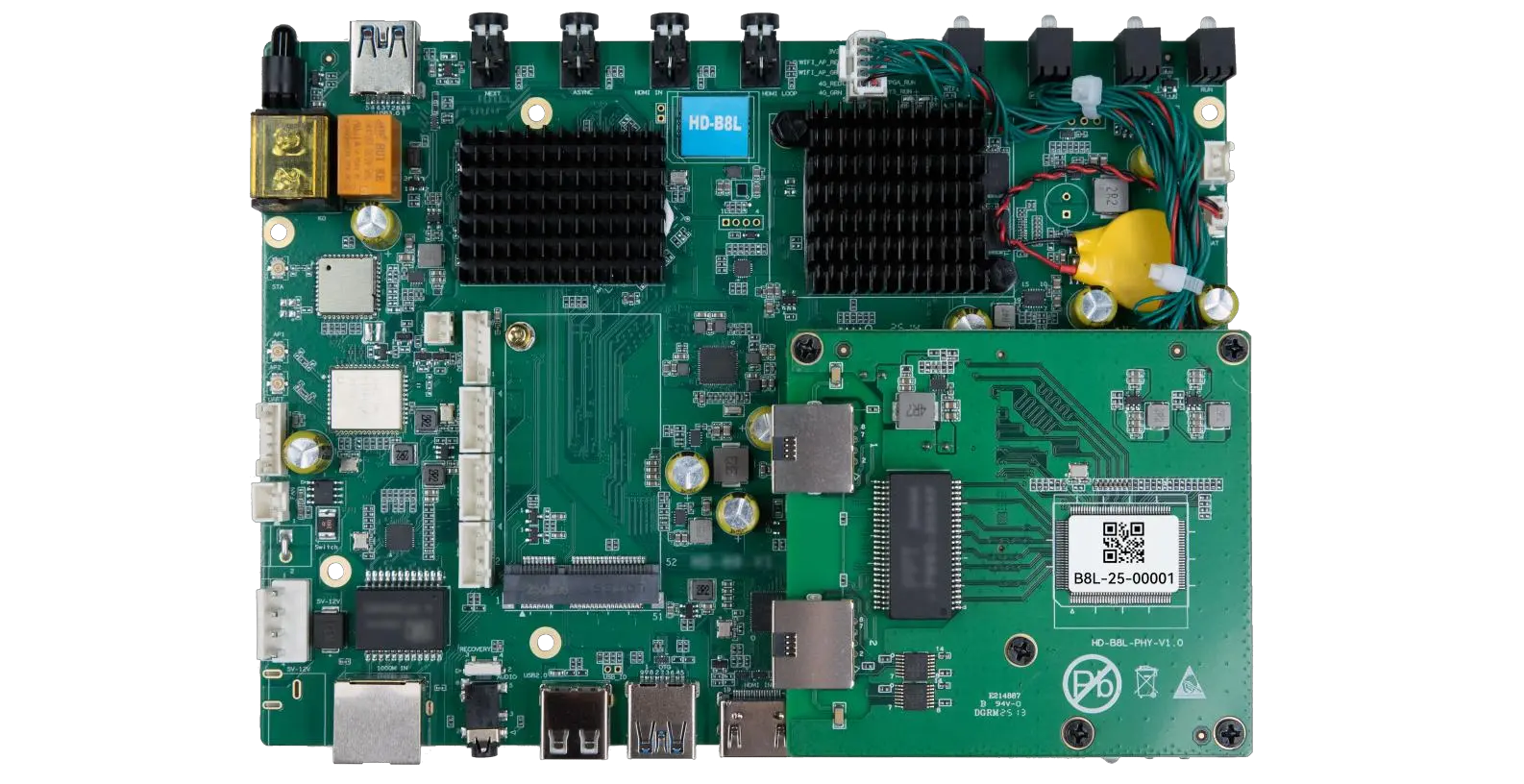
The HD-B8L Poster Screen Control System is an Android-based LED display controller designed for commercial LED poster displays and digital signage. It integrates media playback, asynchronous LED control, HDMI synchronization, network communication, and cloud management into one device, simplifying installation and centralized content management.
What Is the HD-B8L Poster Screen Control System? A Complete Technical Guide for Commercial LED Displays
Tell Us What Are You Looking For?
