
Top 10 Investment Opportunities in 2026: Industries Worth Watching

What are the best investment opportunities to watch in 2026?
The answer depends on investment goals, risk tolerance, capital availability, and market conditions. However, several industries stand out because they are connected to long-term changes in technology, infrastructure, energy, manufacturing, transportation, and digital communication.
For businesses and entrepreneurs, the opportunity is not limited to traditional financial investments. Some sectors also create opportunities to invest in business assets, equipment, infrastructure, and services that can generate revenue.
This article highlights ten industries worth watching in 2026:
- Artificial Intelligence
- Data Centers
- Renewable Energy and Energy Storage
- Semiconductors
- Robotics and Industrial Automation
- Cybersecurity
- Smart Infrastructure
- LED Displays and Digital Advertising
- Electric Vehicles and Charging Infrastructure
- Digital Healthcare and Biotechnology
Among these, the LED display industry deserves special attention from B2B investors because LED equipment can be directly connected to commercial revenue models such as advertising, rental services, events, digital signage, and venue media.
Important: This article is an industry overview, not financial advice or a guarantee of investment returns. Actual investment results depend on market conditions, business execution, regulations, costs, competition, and other factors.
1. Artificial Intelligence
Artificial intelligence remains one of the most important technology investment themes entering 2026.
AI is moving beyond experimental applications and becoming integrated into business operations, software, manufacturing, customer service, content creation, data analysis, and automation.
The investment opportunity extends beyond AI software itself.
Businesses may also benefit from the infrastructure required to support AI, including:
- Computing hardware
- Data centers
- Networking
- Semiconductor technologies
- AI software
- Enterprise automation
- Data management
For investors, the important question is not simply whether AI will grow, but which parts of the AI ecosystem can capture sustainable commercial value.
This makes AI a broad investment category rather than a single product market.
2. Data Centers
AI and other digital workloads require computing infrastructure.
Data centers provide the physical environment needed for servers, networking, storage, power distribution, and cooling.
As digital services become more computationally intensive, data center infrastructure can create opportunities across multiple business areas.
Potential investment areas include:
- Data center construction
- Power infrastructure
- Cooling systems
- Networking equipment
- Server infrastructure
- Backup power
- Monitoring and management systems
For B2B investors, this sector is particularly interesting because data center growth involves not only technology companies but also construction, energy, equipment, and infrastructure suppliers.
3. Renewable Energy and Energy Storage
Energy is becoming increasingly important to digital infrastructure and industrial development.
Renewable energy technologies and energy storage can support businesses seeking greater energy flexibility and resilience.
Potential areas include:
- Solar power
- Wind energy
- Battery storage
- Energy management
- Power conversion
- Grid infrastructure
Energy storage is particularly relevant because renewable generation and electricity consumption do not always occur at the same time.
The broader opportunity is therefore not simply generating electricity, but building systems that can generate, store, manage, and distribute energy efficiently.
4. Semiconductors
Semiconductors are fundamental components of modern electronics.
They support:
- Artificial intelligence
- Smartphones
- Automobiles
- Industrial equipment
- Robotics
- Data centers
- Consumer electronics
- Communication systems
As more physical products become digitally connected, semiconductor demand is tied to multiple industries rather than one specific market.
The sector also has a strong connection to the other investment opportunities in this list.
For example:
AI → Computing → Semiconductors
Robotics → Sensors + Processors → Semiconductors
EVs → Power Electronics + Control Systems → Semiconductors
This interconnected demand makes semiconductor infrastructure an important area to monitor in 2026.
5. Robotics and Industrial Automation
Manufacturing is increasingly adopting automation to improve productivity, consistency, and operational efficiency.
Robotics can be used in:
- Manufacturing
- Warehousing
- Logistics
- Packaging
- Inspection
- Assembly
- Material handling
The opportunity is also expanding as artificial intelligence improves the ability of machines to perceive environments and perform more complex tasks.
For businesses, automation investment is often evaluated differently from a traditional financial investment.
The key question becomes:
Can automation reduce operating costs or increase production capacity enough to justify the initial capital expenditure?
This makes ROI, utilization, maintenance, and integration important considerations.
6. Cybersecurity
As companies become more dependent on digital infrastructure, protecting systems and data becomes increasingly important.
Cybersecurity investment can include:
- Network security
- Identity management
- Cloud security
- Endpoint protection
- Data protection
- Security monitoring
- Compliance tools
Unlike some emerging technologies, cybersecurity addresses a fundamental business requirement:
Digital infrastructure needs protection to remain operational.
This creates opportunities for cybersecurity software providers, managed service companies, consultants, and infrastructure vendors.
For B2B investors, recurring service models can also be particularly relevant because cybersecurity is not necessarily a one-time purchase.
7. Smart Infrastructure
Cities, commercial properties, transportation systems, and industrial facilities are becoming increasingly connected.
Smart infrastructure can involve:
- Intelligent lighting
- Digital signage
- Traffic systems
- Building management
- IoT sensors
- Security systems
- Public information displays
- Energy management
This is where physical infrastructure and digital technology increasingly overlap.
One particularly visible part of this transition is digital display infrastructure.
LED displays can be used to communicate information in commercial areas, transportation environments, public spaces, retail locations, and large venues.
That creates a connection between smart infrastructure and the LED display industry.
8. LED Displays and Digital Advertising
Why Is LED an Investment Opportunity?
LED displays are different from many technology investments because the equipment can potentially become a revenue-generating commercial asset.
A fixed LED display can be installed in a suitable location and used to sell advertising time.
A rental LED display can be repeatedly deployed for different customers.
This creates two major business models.
Fixed LED Advertising
LED Display → Advertising Inventory → Advertisers → Revenue
Potential applications include:
- Outdoor advertising
- Shopping centers
- Commercial buildings
- Retail areas
- Hotels
- Transportation locations
- Public venues
The key commercial factors include location, visibility, audience exposure, advertiser demand, and advertising occupancy.
Rental LED
LED Equipment → Events → Rental Fees → Repeat Utilization
Potential customers include:
- Event companies
- Concert organizers
- Exhibition companies
- Corporate event planners
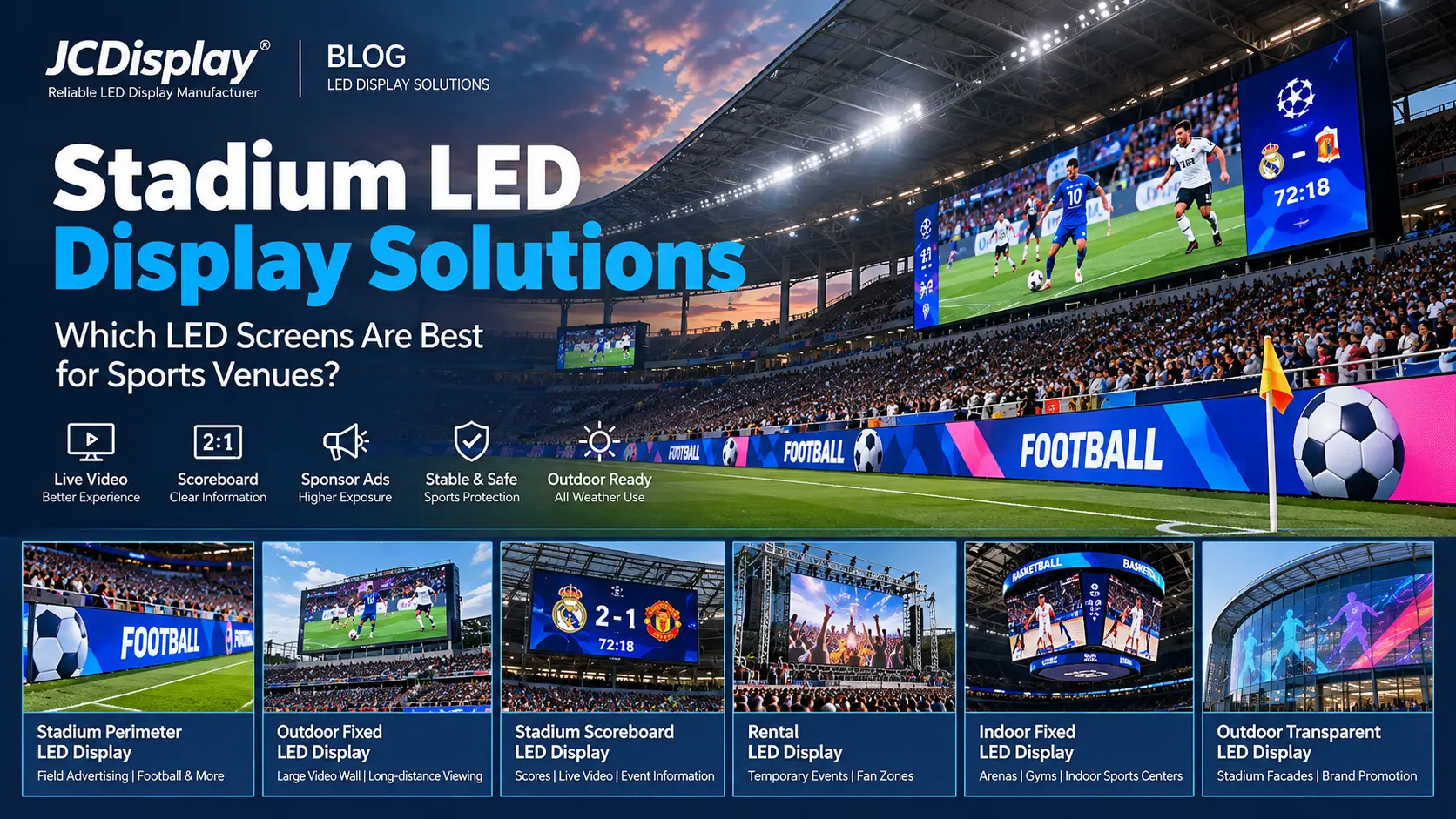
- Sports organizers
- Stage production companies
The same LED equipment can potentially be used for multiple projects.
That makes utilization one of the most important business metrics for rental LED.
Why LED Is Different From a Traditional Advertising Asset
A physical billboard may provide one advertising surface.
A digital LED display can provide multiple pieces of advertising inventory through scheduled content.
Instead of one static message, the display can rotate content between multiple advertisers.
This creates the possibility of selling:
- Time slots
- Campaign periods
- Promotional packages
- Event-specific advertising
- Long-term advertising contracts
The commercial value therefore comes from the combination of:
Screen + Location + Audience + Content + Advertising Sales
Not simply from the LED hardware.
LED Investment Depends on the Application
Different applications require different LED solutions.
| Application | Business Model | Important Considerations |
|---|---|---|
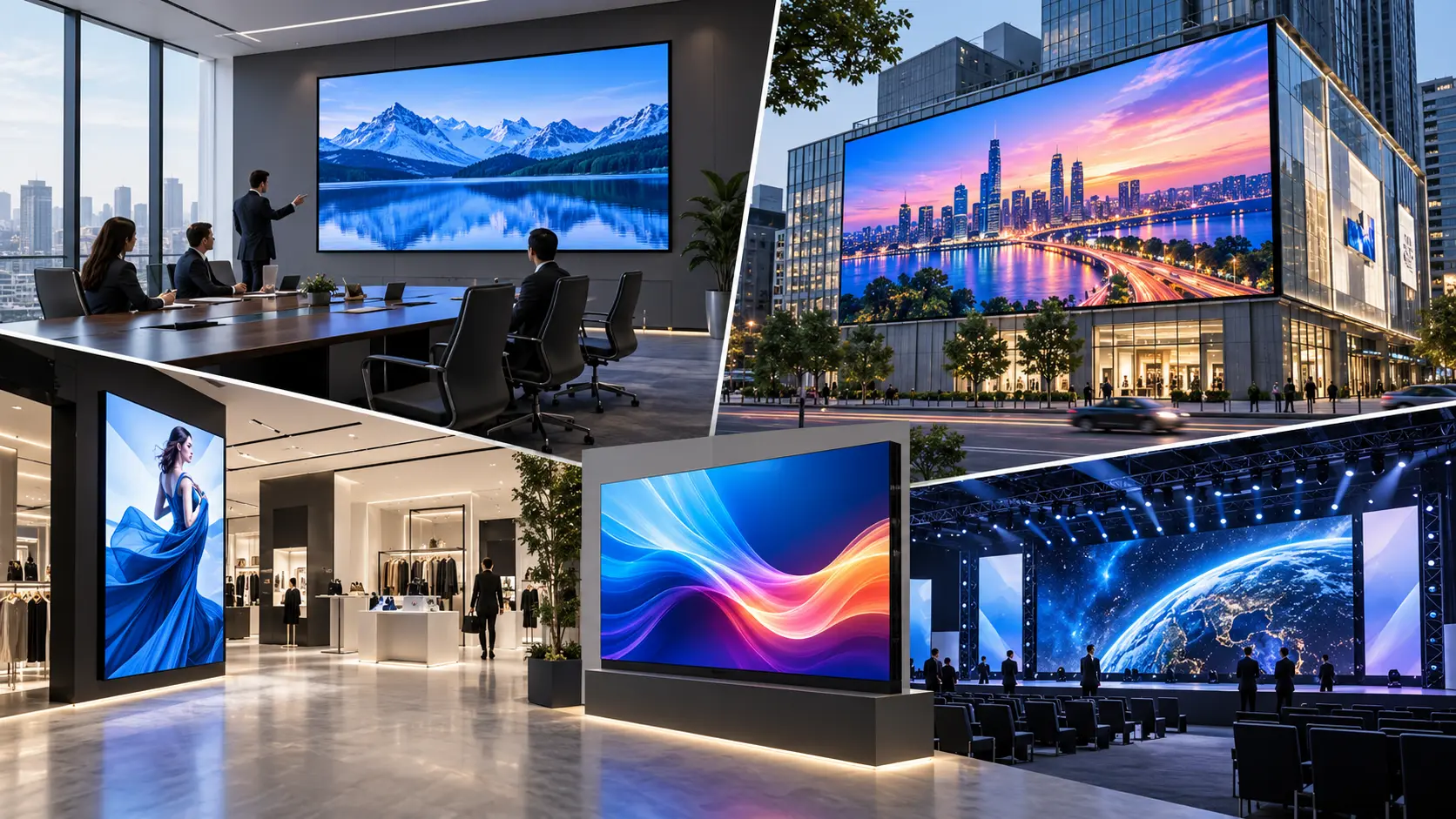
| Outdoor Advertising | Sell advertising time | Location, brightness, environmental protection |
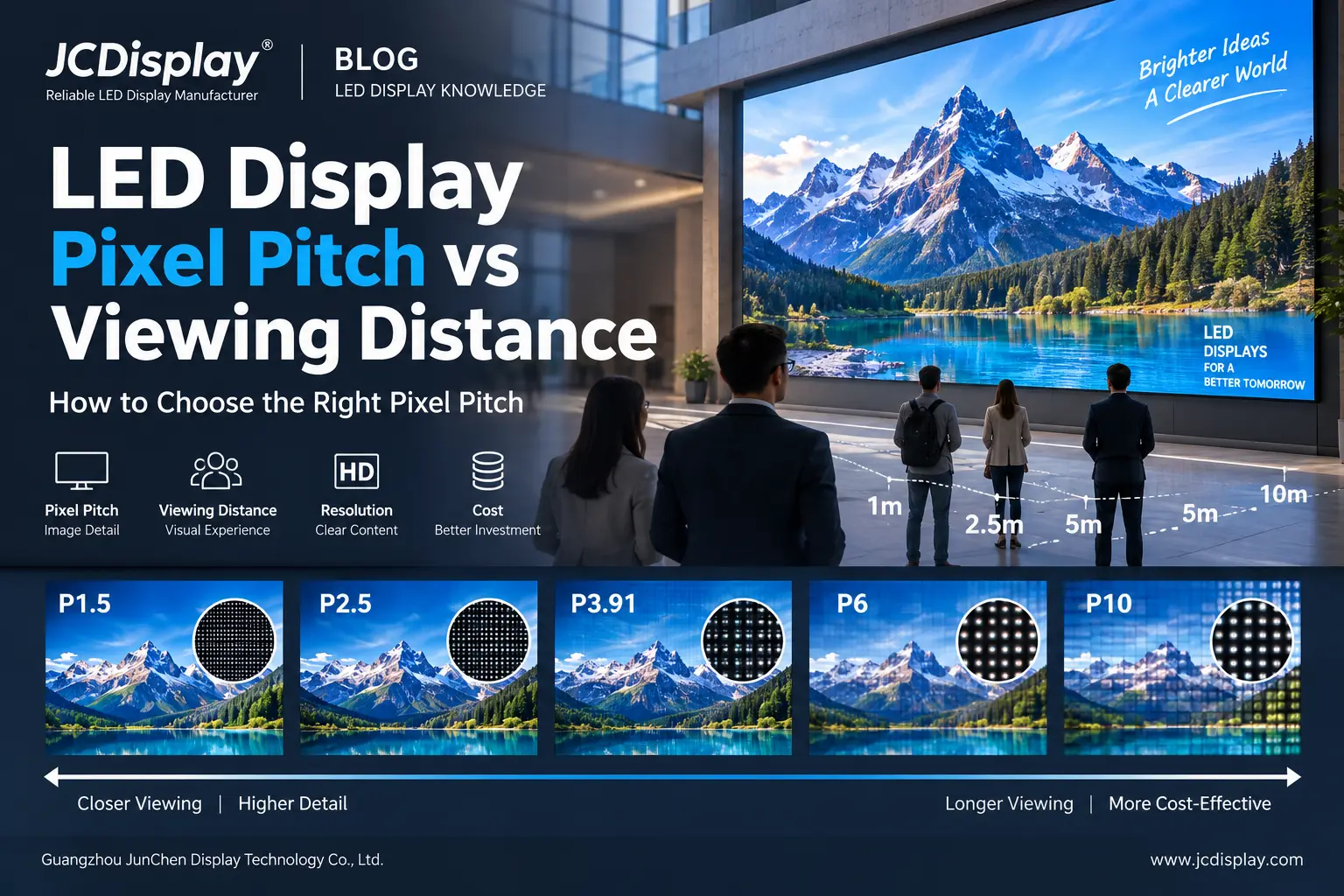
| Shopping Mall | Advertising / digital signage | Viewing distance, pixel pitch |
| Concerts | Rental | Cabinet design, installation, transport |
| Exhibitions | Rental / project service | Image quality, flexibility |
| Sports | Advertising / venue service | Viewing distance, brightness, refresh performance |
| Corporate Events | Rental / service | Image quality, camera environment |
This is why there is no single “best LED display for investment.”
The right product depends on the business model.
9. Electric Vehicles and Charging Infrastructure
Electric vehicles are creating opportunities beyond vehicle manufacturing.
The broader ecosystem includes:
- Charging stations
- Battery technology
- Power electronics
- Charging management
- Fleet infrastructure
- Energy storage
Commercial charging infrastructure may become increasingly important as businesses and transportation operators adapt to electric mobility.
For investors, the opportunity is therefore not limited to automotive brands.
Infrastructure, energy management, software, maintenance, and charging services can all form part of the broader ecosystem.
10. Digital Healthcare and Biotechnology
Healthcare technology continues to evolve through digital tools, data, biotechnology, medical devices, and AI-assisted applications.
Potential areas include:
- Digital health platforms
- Medical devices
- Diagnostics
- Biotechnology
- Healthcare software
- Data management
- AI-assisted healthcare applications
This sector can offer substantial opportunities, but it can also involve significant regulatory, technical, and development risks.
Investors therefore need to consider not only market potential but also regulatory requirements, development timelines, technology validation, and commercialization challenges.
Which Investment Opportunity Is Best in 2026?
There is no universal answer.
Different investors have different objectives.
A technology investor may focus on AI or semiconductors.
An infrastructure investor may look at data centers or renewable energy.
An entrepreneur may prefer a business model where equipment can directly generate revenue.
This is where LED displays become particularly interesting.
Unlike many technology sectors that require large-scale infrastructure or software ecosystems, an LED business can potentially start from a specific commercial application.
For example:
Advertising Company
→ Invest in fixed LED
→ Sell advertising inventory
Event Company
→ Invest in rental LED
→ Rent equipment to customers
Commercial Property
→ Install LED
→ Promote tenants + sell advertising
Sports Venue
→ Install LED
→ Provide venue communication + advertising
The business model determines the investment logic.
How Should Businesses Evaluate an LED Investment?
An LED display should not be evaluated only according to purchase price.
A basic commercial model should consider:
Initial Investment
- LED display
- Control system
- Structure
- Installation
- Electrical work
- Networking
- Initial spare parts
Operating Costs
- Electricity
- Maintenance
- Labor
- Transportation
- Storage
- Site costs
- Network services
Revenue
- Advertising fees
- Rental fees
- Technical services
- Event services
- Digital signage services
A simplified model for advertising is:
Potential Revenue = Advertising Rate × Sellable Time × Occupancy
For rental:
Potential Revenue = Rental Rate × Rental Days × Utilization
These formulas are only planning tools. They do not guarantee profitability.
What Makes an LED Investment Attractive?
Several factors can improve the commercial potential of an LED project.
1. Strong Customer Demand
The most important question is:
Who will pay for the service?
2. High Utilization
Equipment generates more commercial value when it is consistently used.
3. Appropriate Product Selection
The display should match the actual environment and application.
4. Controlled Operating Costs
Power, maintenance, labor, transportation, and other recurring expenses should be included in the business model.
5. Expandability
A scalable system can make future expansion easier.
6. Reliable Maintenance
Spare parts availability and serviceability can reduce downtime.
Investment Trends vs. Business Assets
It is important to distinguish between investing in an industry and operating a business.
Buying an LED display is not the same as buying a financial security.
The LED becomes valuable because the owner operates it as part of a business.
Therefore:
Capital Investment → Equipment
Business Strategy → Customers
Operations → Utilization
Commercial Activity → Revenue
This is why entrepreneurs should evaluate the entire business system rather than focusing only on equipment specifications.
Final Ranking: 10 Investment Opportunities to Watch in 2026
| Rank | Industry | Main Opportunity |
|---|---|---|
| 1 | AI | Digital transformation and automation |
| 2 | Data Centers | Computing infrastructure |
| 3 | Renewable Energy | Power generation and storage |
| 4 | Semiconductors | Digital and electronic infrastructure |
| 5 | Robotics | Industrial productivity |
| 6 | Cybersecurity | Digital protection |
| 7 | Smart Infrastructure | Connected physical systems |
| 8 | LED Displays | Advertising and rental revenue |
| 9 | EV Infrastructure | Charging and energy services |
| 10 | Digital Healthcare | Technology-enabled healthcare |
The ranking should not be interpreted as a prediction of financial performance. It is a framework for identifying industries with potentially significant business activity and investment interest.
Frequently Asked Questions
What are the best investment opportunities in 2026?
Major areas worth watching include AI, data centers, renewable energy, semiconductors, robotics, cybersecurity, smart infrastructure, LED digital advertising, EV infrastructure, and digital healthcare.
Is LED a good investment in 2026?
LED displays can be a viable business investment when connected to a clear revenue model such as advertising, rental, events, or digital signage. The outcome depends on market demand, location, utilization, costs, and business execution.
How can an LED display make money?
Fixed LED displays can generate advertising revenue by selling screen time. Rental LED displays can generate income by being deployed for events, exhibitions, concerts, sports, and corporate activities.
Is LED screen rental a good business?
It can be, particularly for businesses with established event customers and strong equipment utilization. Transportation, installation, maintenance, storage, and customer acquisition should be included in the business model.
What is the difference between LED advertising and LED rental?
LED advertising normally involves a permanent display that sells advertising time. LED rental involves reusable equipment that is deployed temporarily for different projects.
Should I invest in LED equipment before finding customers?
For most business models, it is better to validate the market and identify potential customers before making a major equipment investment. Customer demand should influence equipment configuration and investment size.
Conclusion
The most interesting investment opportunities in 2026 are not limited to financial markets. Many are connected to the infrastructure, technologies, and services businesses will increasingly depend on.
AI, data centers, renewable energy, semiconductors, robotics, cybersecurity, smart infrastructure, EV infrastructure, and digital healthcare all represent important areas to watch.
LED displays occupy a different but increasingly relevant position.
They can become commercial assets that support advertising, rental, events, digital signage, and venue services.
For an advertising operator, the opportunity may be selling digital advertising inventory.
For an event company, it may be maximizing rental utilization.
For a commercial property owner, it may be creating additional digital media space.
The key is not simply investing in an LED screen.
The key is investing in an LED business model.
If you want to understand the technical and commercial factors behind LED investment—including advertising revenue, rental utilization, pixel pitch, brightness, cabinet design, maintenance, operating costs, and LED system selection—read our next guide:
Why Is the LED Display Industry Worth Investing in 2026?
That article will go deeper into the LED advertising and rental business models, technical selection, TCO, utilization, and B2B procurement decisions.
Why Is the LED Display Industry Worth Investing in 2026? A B2B Guide
How to Make Outdoor LED Screens Energy-Efficient | 7 Money-Saving Design Tips

Tell Us What Are You Looking For?
