
LED Video Wall for Energy Facility Control Rooms
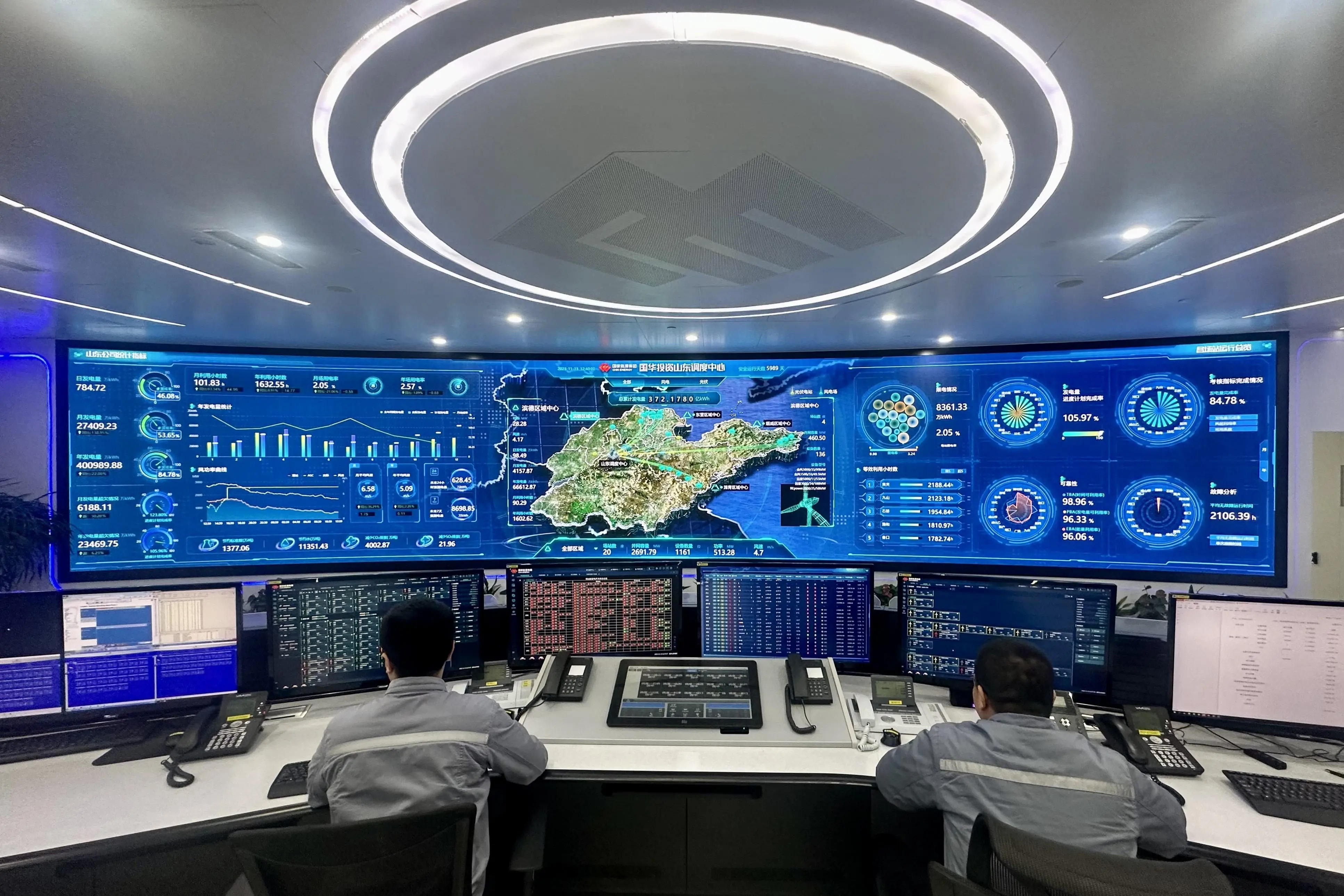
Energy facilities depend on continuous monitoring, accurate operational information and coordinated decision-making. From power generation plants and renewable energy stations to energy storage facilities and grid dispatch centers, operators need a clear overview of multiple systems and operational conditions.
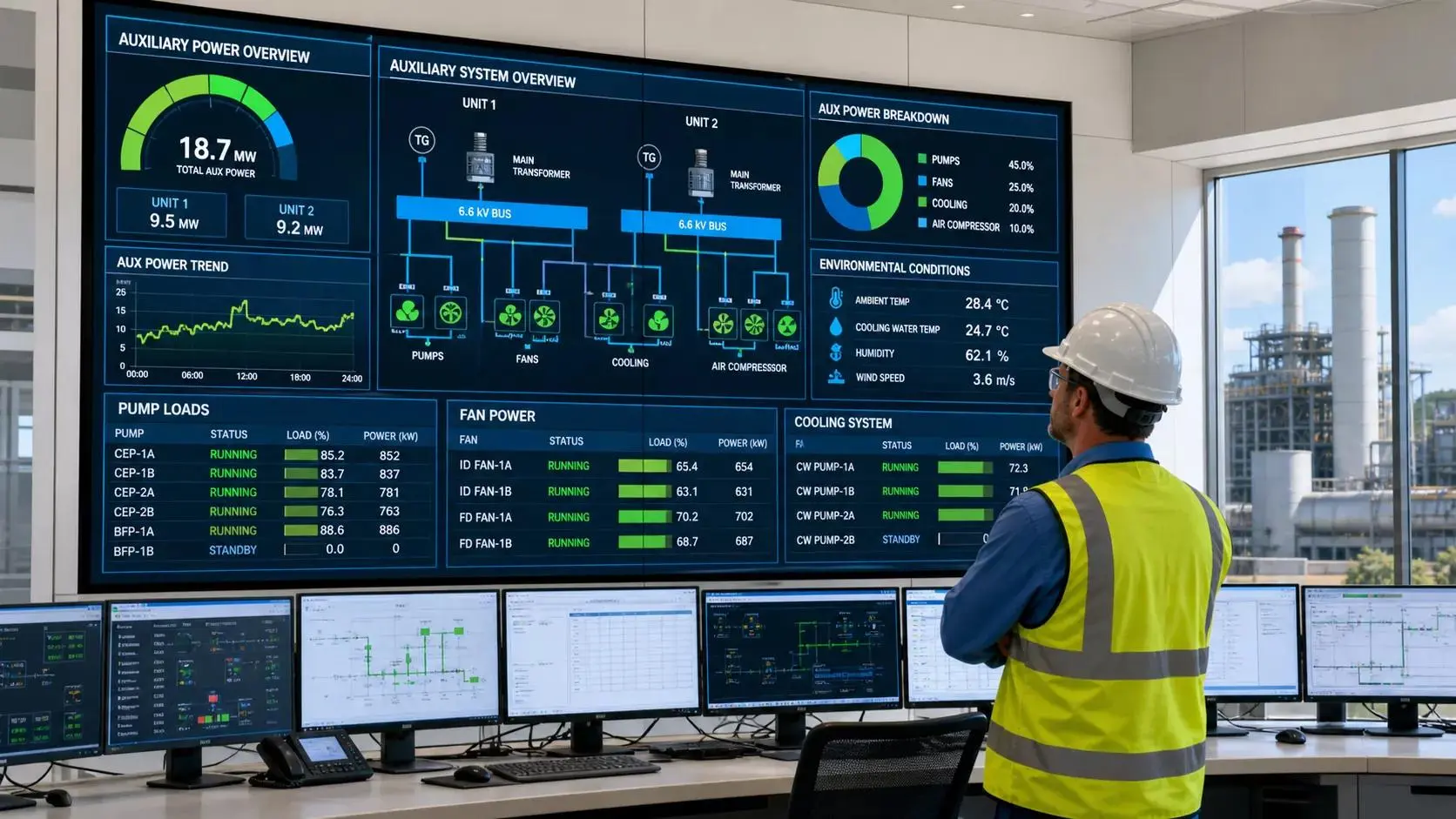
A professional LED video wall for energy facility control rooms provides a centralized visualization platform for monitoring equipment status, energy production, system alarms, CCTV feeds, operational dashboards and other critical information.
Unlike ordinary commercial displays, an energy control room LED video wall must be designed around viewing distance, information density, signal management, operational reliability and long-term maintenance.
JunChen Display provides LED display solutions and project support to help system integrators, engineering contractors and energy project teams configure suitable display systems for different control room environments.
For a broader overview of control room display planning, see our guide to LED Command Center Display System Design.
Quick Answer
An LED video wall for an energy facility control room is a large-format display system that brings multiple monitoring sources together on one visual platform.
It can support:
-
Power plant operation monitoring
-
SCADA and EMS visualization
-
Renewable energy production monitoring
-
Energy storage system monitoring
-
Electrical diagrams and grid maps
-
Equipment status and alarm visualization
-
CCTV and facility security monitoring
-
Operational dashboards and reporting
A suitable solution should consider:
Control Room Layout → Viewing Distance → Screen Size → Pixel Pitch → Signal Sources → Video Processing → System Reliability → Maintenance
Table of Contents
1. What Is an Energy Facility Control Room LED Video Wall?
An energy facility control room LED video wall is a large, seamless display system used to visualize operational information from different monitoring and management platforms.
Energy facilities often operate multiple systems simultaneously. Information may come from SCADA platforms, Energy Management Systems (EMS), Distributed Control Systems (DCS), CCTV networks, engineering workstations and equipment monitoring applications.
Displaying everything on separate desktop monitors can make it difficult for operators to maintain an overall understanding of facility operations.
A centralized LED video wall helps organize these information sources into a shared visual environment.
Its main functions include:
-
Centralized information visualization
-
Multi-source video and data presentation
-
Real-time monitoring dashboard display
-
Operational coordination
-
Alarm and abnormal-condition visibility
-
Shared information for control room teams
It is important to distinguish the display system from the underlying industrial control system. The LED wall provides a visualization interface; it does not replace SCADA, EMS, PLC or plant safety-control functions.
For more information about system components, signal management and control room layout, read our LED Command Center Display System Architecture Guide.
2. Where Are LED Video Walls Used in Energy Facilities?
Different energy facilities have different monitoring priorities. The LED video wall should therefore be configured according to the actual application.
Power Generation Plants
Power plants need to monitor equipment performance, generation status, operating parameters and facility conditions.
A large LED video wall can display:
-
Generation unit status
-
Electrical system diagrams
-
Equipment monitoring dashboards
-
Operating trends
-
Alarm notifications
-
Plant-wide CCTV feeds
This allows operators and engineering teams to view important information in one centralized location.
Renewable Energy Control Centers
Solar and wind power facilities often involve geographically distributed equipment and monitoring systems.
An LED video wall can visualize:
-
Solar power generation data
-
Wind turbine operating status
-
Weather information
-
Site maps and equipment locations
-
Energy production trends
-
Remote facility monitoring
For large renewable energy projects, centralized visualization helps teams monitor information from multiple sites.
Energy Storage Facilities
Battery Energy Storage Systems (BESS) require monitoring of operating conditions and equipment status.
A control room display may present:
-
Battery system status
-
Charging and discharging information
-
Power conversion system status
-
Temperature monitoring
-
Alarm notifications
-
Facility security camera feeds
The exact information displayed depends on the connected battery management and energy management platforms.
Grid Dispatch and Utility Control Centers
Electricity distribution and transmission networks involve multiple substations, transmission lines and monitoring locations.
An LED video wall can display:
-
Grid network diagrams
-
Substation status
-
Power distribution information
-
Electrical load trends
-
Geographic monitoring maps
-
Fault and alarm information
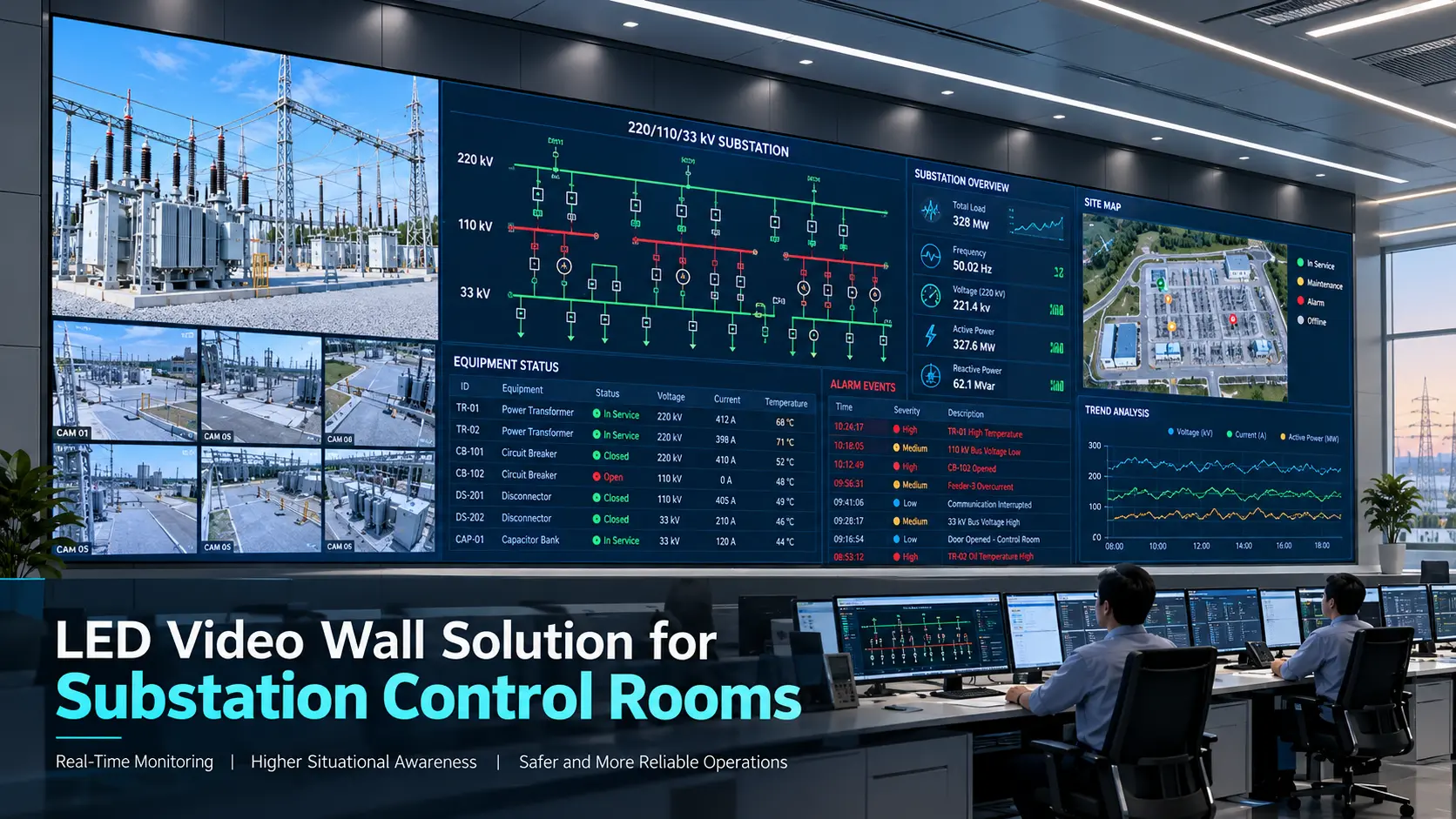
For more specific applications in electrical infrastructure, explore our LED Video Wall Solution for Substation Control Rooms.
For these applications, a large unified display helps operators understand the wider network situation.
3. What Information Can an Energy Control Room Display?
The main advantage of a centralized LED video wall is its ability to present different types of operational information simultaneously.
SCADA and EMS Dashboards
SCADA and EMS workstations can provide visual outputs for presentation on the LED wall through compatible video processing and distribution equipment.
Operators may view:
-
System overview dashboards
-
Energy consumption data
-
Equipment operating status
-
Generation and distribution information
-
Operational trends
Electrical Diagrams and Grid Maps
Large electrical diagrams and network maps are important visual references in many energy facilities.
A properly configured LED wall provides a larger display area for viewing network layouts, equipment relationships and operational information.
Alarm and Equipment Monitoring
Alarm dashboards can highlight abnormal conditions and equipment status.
The display layout should prioritize important information instead of placing too many small windows across the entire screen.
CCTV and Security Monitoring
Energy facilities may use CCTV to monitor:
-
Equipment areas
-
Plant entrances
-
Perimeter security
-
Storage areas
-
Restricted access zones
Multiple camera feeds can be arranged into different display windows according to operational requirements.
Renewable Energy Dashboards
For solar and wind energy facilities, monitoring dashboards can combine generation information, weather conditions, equipment status and site maps.
This helps control room personnel review information from different locations within one visual environment.
4. LED Video Wall System Architecture
A complete energy control room LED display solution involves more than LED cabinets.
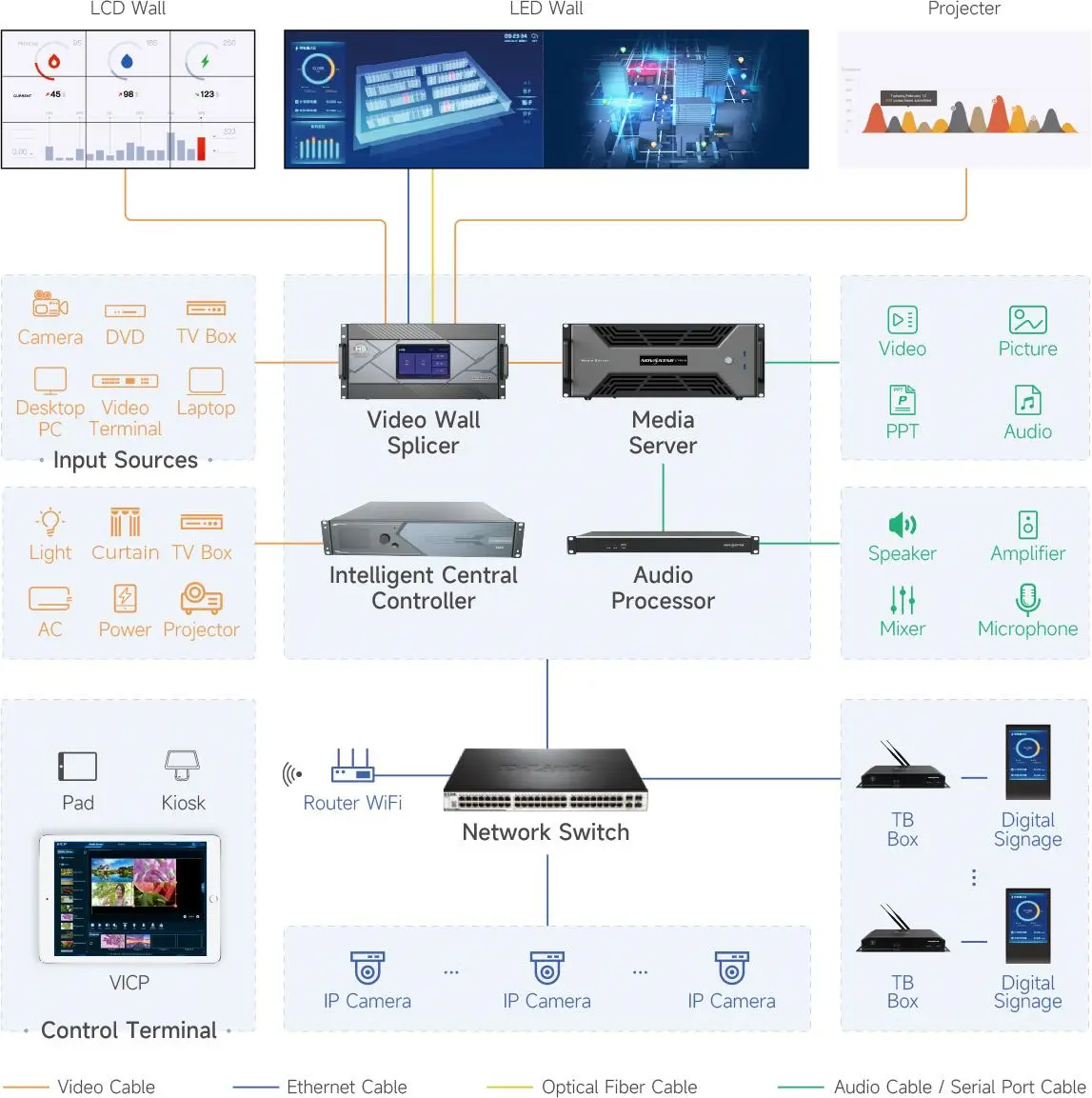
The system must coordinate information sources, signal distribution, video processing and the final display.
A typical architecture follows this structure:
Data Sources → Signal Distribution → Video Processing → LED Display Control System → LED Video Wall
Data Sources
Typical input sources include:
-
SCADA workstations
-
EMS computers
-
DCS operator stations
-
CCTV systems
-
Engineering computers
-
Network monitoring platforms
-
GIS and facility maps
-
Alarm management systems
Signal Distribution
Signal distribution equipment transfers video outputs from different sources to the display processing system.
Depending on project requirements, the configuration may include:
-
HDMI or DisplayPort connections
-
SDI interfaces where required
-
Network-based video distribution
-
 Video matrix systems
-
Fiber-optic transmission
-
KVM equipment
The actual interface configuration depends on the source equipment and the selected processor.
Video Processing
The video processor or video wall controller manages multiple input signals and arranges them into the required screen layout.
Typical functions include:
-
Multi-source input management
-
Window resizing and positioning
-
Multiple-window display
-
Signal switching
-
Preset layout management
-
Resolution configuration
For larger control rooms, the processing system should be selected according to the number of inputs, output resolution and required simultaneous display windows.
LED Display System
The LED display is the final visualization surface.
It consists of LED modules, cabinets, power supplies, receiving cards, control equipment and supporting structures.
The cabinet design, pixel pitch and maintenance method should match the installation environment.
5. How to Choose the Right LED Display for an Energy Control Room
Selecting an LED display requires more than comparing pixel pitches or prices per square meter.
Pixel Pitch and Viewing Distance
Pixel pitch determines the distance between adjacent LED pixels and directly affects image resolution.
For indoor energy control rooms, fine-pitch LED displays are often considered because operators may need to view detailed diagrams, dashboards and text.
The selection should consider:
-
Distance between operators and the screen
-
Required image resolution
-
Total display dimensions
-
Type of information displayed
-
Number of viewing positions
A smaller pixel pitch is not automatically the best choice. It should provide a practical balance between image clarity, project budget and viewing distance.
Screen Size and Resolution
The screen size should be determined by the control room layout and the amount of information that needs to be displayed.
A large LED wall can provide more space for multiple windows, but its resolution must also be sufficient for the intended content.
The display should allow operators to read important information without unnecessary visual clutter.
Brightness and Image Uniformity
Energy control rooms are usually indoor environments with controlled lighting.
The LED display should provide adjustable brightness to suit the room conditions and avoid unnecessary eye strain.
Brightness consistency and color uniformity are also important when displaying large diagrams and multiple information windows.
Front or Rear Maintenance
The installation environment determines the appropriate maintenance method.
Front maintenance is useful when the display is installed close to a wall or where rear access is limited.
Rear maintenance may be suitable when sufficient service space is available behind the display.
The maintenance method should be confirmed before selecting the cabinet structure.
6. Key Design Considerations for Reliable Operation
Energy control rooms may operate for extended periods, and some facilities require continuous monitoring.
Therefore, display reliability should be considered from the beginning of the project.
24/7 Operating Requirements
For continuously operated control rooms, the LED display and associated equipment should be selected according to their rated operating conditions.
Important considerations include:
-
Component quality
-
Thermal management
-
Stable power distribution
-
Consistent brightness
-
Long-term operating reliability
-
Availability of replacement parts
Power and Signal Redundancy
For projects with high availability requirements, optional redundancy configurations may include:
-
Backup power arrangements
-
Redundant signal paths
-
Backup video processing equipment
-
Spare LED modules and receiving cards
The redundancy design should match the facility's operational requirements and risk assessment.
Video Processing Capacity
The processor should support the actual number of input sources, output resolution and window layouts.
It is important to confirm whether multiple sources need to be displayed simultaneously and whether the system requires independent layouts for different operating teams.
Network and System Security
Energy facilities may contain sensitive operational technology networks.
The LED visualization system should be integrated through approved interfaces and network security arrangements.
Access permissions, network segmentation and data access policies should be coordinated with the facility's IT and OT teams.
The display system should not bypass existing industrial control security requirements.
7. Installation and Maintenance Requirements
A successful LED video wall project depends on both display performance and installation quality.
Before installation, the project team should confirm the following:
Structural Requirements
-
Wall load-bearing capacity
-
Supporting steel structure
-
Cabinet alignment
-
Installation clearance
-
Maintenance access
Electrical Requirements
-
Power supply capacity
-
Power distribution
-
Grounding
-
Cable routing
-
Backup power arrangements where required
Signal Requirements
-
Input source locations
-
Cable transmission distances
-
Processor installation location
-
Network connections
-
Signal backup requirements
Maintenance Planning
-
Spare LED modules
-
Spare power supplies
-
Receiving cards
-
Signal cables
-
Maintenance procedures
A well-planned installation makes future servicing more efficient and helps reduce unnecessary downtime.
8. JunChen Display: LED Display Solutions for Energy Projects
Choosing the right LED display supplier is an important part of an energy control room project.
JunChen Display provides LED display products and project support for system integrators, engineering contractors and professional display installation companies.
Our support can include:
LED Display Selection
We help evaluate pixel pitch, screen dimensions, cabinet structures and maintenance requirements according to the project environment.
Display Components and Accessories
Project teams can source relevant display components and accessories, including:
-
LED modules and cabinets
-
Power supplies
-
Receiving cards
-
Signal cables
-
Power cables
-
Supporting installation accessories
System Configuration Support
We can assist with LED display configuration and coordinate display-related requirements with the selected video processing and control equipment.
Project-Based Procurement
Instead of sourcing different display components separately, project teams can coordinate their LED display hardware and related accessories through one supplier.
Technical and Installation Support
Our team can provide technical guidance on display assembly, cabinet connection, installation preparation and troubleshooting.
Whether you are upgrading an existing power plant control room or developing a new renewable energy monitoring center, JunChen Display can help prepare an LED display solution based on your project requirements.
Explore More Control Room LED Display Solutions
Contact JunChen Display to discuss your energy control room LED video wall project.
Website: https://www.jcdisplay.com/
9. Frequently Asked Questions
What is the best LED pixel pitch for an energy control room?
There is no universal pixel pitch for every energy facility. The selection depends on viewing distance, screen dimensions, resolution requirements and the type of information displayed.
Can an LED video wall display SCADA and EMS information?
Yes. SCADA and EMS workstation outputs can be presented through compatible video processors, video distribution equipment or approved network-based visualization systems. The exact configuration depends on the existing control system.
Can one LED video wall display multiple monitoring sources?
Yes. With a suitable video processor or video wall controller, multiple input sources can be arranged into independent windows on one large LED display.
Is an LED video wall suitable for 24/7 control rooms?
Yes, provided the LED display and supporting equipment are selected and configured for the required operating conditions. Power, thermal management, signal reliability and maintenance planning should all be considered.
What information is needed for an LED control room quotation?
A project team should ideally provide:
-
Control room dimensions
-
Required LED screen size
-
Preferred pixel pitch, if known
-
Viewing distance
-
Number and type of input sources
-
Required display layouts
-
Installation and maintenance conditions
-
Project location
These details help the supplier recommend a more suitable display configuration.
Need an LED Video Wall for Your Energy Facility Control Room?
Contact JunChen Display for LED display selection, project configuration and component supply.
Website: https://www.jcdisplay.com/
LED Video Wall Solution for Chemical Industrial Parks
LED Video Wall Solution for Hospital Command Centers

Tell Us What Are You Looking For?
