
What is a Good Contrast Ratio for a Monitor?
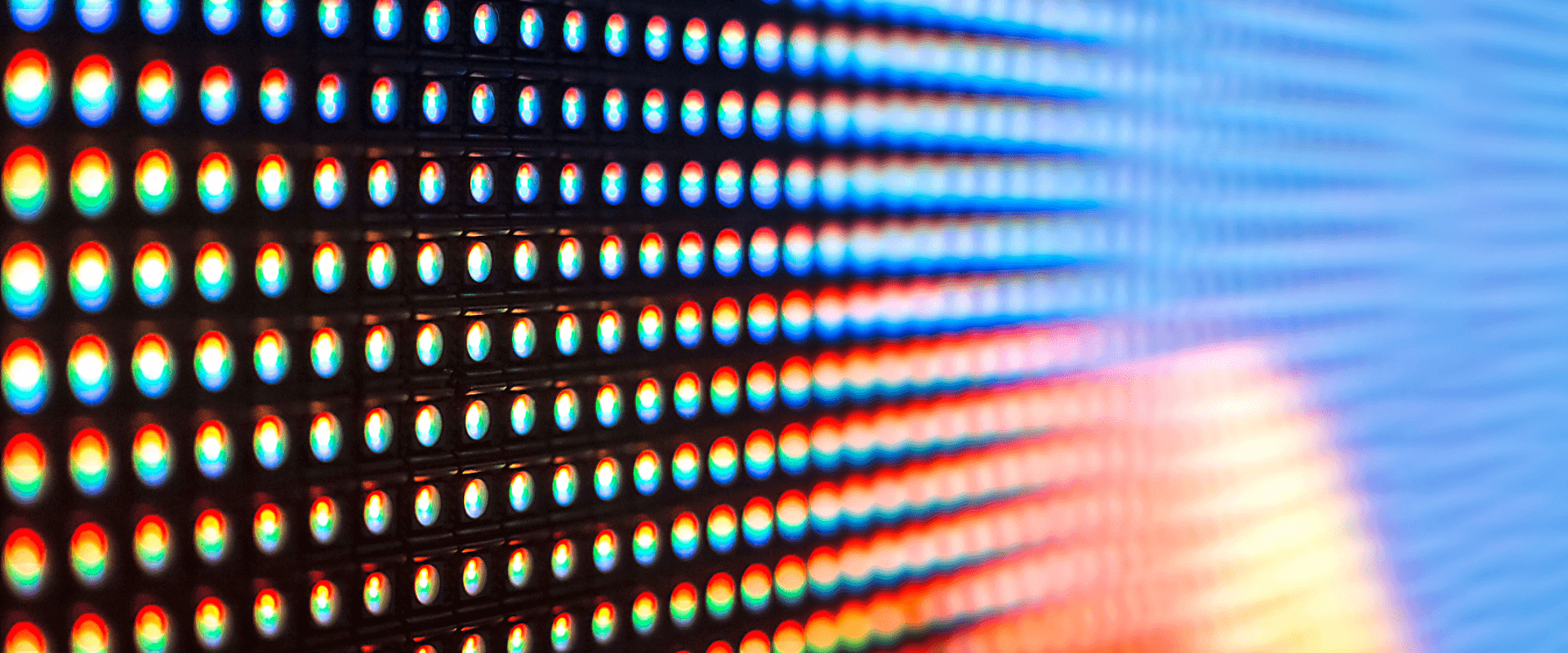
What is a Good Contrast Ratio for a Monitor?
You’re configuring your dream setup, and you’ve settled on the resolution and refresh rate. But one spec remains cryptic: the monitor contrast ratio. What does it mean, and what is a good value? Unlike resolution, where more is always better, the answer for contrast ratio is nuanced. A “good” monitor contrast ratio isn't a single number; it’s a sweet spot that depends heavily on your intended use, budget, and the underlying panel technology.
This definitive guide for 2026 will cut through the marketing jargon. We’ll clarify the true contrast ratio meaning, provide clear benchmarks for what constitutes a good contrast ratio, and show you how to identify the best contrast ratio monitor for gaming, creative work, and everyday use.
What Does Contrast Ratio Mean? Beyond the Numbers
Before we assign values, we must define the term. The contrast ratio meaning is straightforward: it’s the difference in light output between the brightest white and the darkest black a monitor can produce simultaneously. It’s expressed as a ratio, like 1000:1.
This means the white is 1000 times brighter than the black. A higher ratio translates to a greater distinction between light and dark areas on the screen. This is the fundamental mechanic that creates depth, detail, and realism in an image. Understanding this core **contrast ratio meaning** is essential because it directly impacts how you perceive everything on your screen, from text clarity to the mood of a movie scene.
The Static vs. Dynamic Deception: What to Really Look For
When shopping for a contrast ratio monitor, you’ll encounter two types of ratings. Knowing the difference is the most critical step in your journey.
Static Contrast Ratio (or Native Contrast): This is the only number you should seriously consider. It measures the brightness difference between white and black within the same frame, under the same power conditions. It’s a reliable, standardized measure of a panel’s innate capability. For example, a static monitor contrast ratio of 1000:1 is a common baseline for IPS panels.
Dynamic Contrast Ratio:This is primarily a marketing metric and should be largely ignored. It measures the difference between the brightest and darkest points a screen can achieve at different times. It works by having the monitor’s software dim the entire backlight for dark scenes and boost it for bright ones, leading to inflated numbers like "1,000,000:1." This often results in a loss of detail in dark areas and an distracting viewing experience as the screen brightness constantly shifts.
Verdict: Always prioritize the Static Contrast Ratio. The dynamic ratio is irrelevant for determining actual image quality.
What is a Good Static Monitor Contrast Ratio?
Now for the key question: what is a good static contrast ratio? Here’s a breakdown by panel technology and use case.
By Technology:
IPS Panels: Known for excellent color accuracy and viewing angles. Their weakness is typically contrast. A good static monitor contrast ratio for an IPS panel is around 1000:1. Anything significantly below that may appear washed out.
VA Panels: The kings of contrast in the LCD world. They excel at blocking light to produce deeper blacks. A good ratio for a VA panel starts at 2500:1 and can go as high as 4000:1 or even 6000:1 on premium models. This makes them fantastic for media consumption.
OLED Panels: The undisputed champion. Each pixel is self-emissive and can turn off completely, yielding perfect blacks. The contrast ratio is effectively ∞:1 (infinite). This is the ultimate standard for image depth and quality.
By Use Case:
General Use & Office Work: For browsing, spreadsheets, and documents, a standard 1000:1 ratio (common on IPS) is perfectly adequate. It provides clear text separation and is easy on the eyes.
Photo & Video Editing: Color accuracy is paramount. While a high-contrast VA or OLED panel can be beneficial, many professionals prefer IPS for its color consistency across the panel. Aim for a high-end IPS with a ratio as close to 1000:1 as possible or better, but prioritize color gamut coverage (100% sRGB / Adobe RGB) and accuracy first.
Gaming & Home Theater: This is where high contrast shines. For immersive AAA games and movie nights, a contrast ratio monitor with a VA panel (3000:1+) or an OLED (Infinite) is transformative. Dark scenes in games become playable, and HDR content looks stunning. A good monitor contrast ratio here is crucial for a next-gen experience.
How to Choose the Best Contrast Ratio Monitor for You
Finding the best contrast ratio monitor involves more than just picking the highest number. Follow this decision flow:
1. Set Your Budget: This will narrow down the available technologies.
2. Define Your Primary Use:Are you a competitive gamer, a content creator, or a multitasker?
3. Prioritize Panel Technology Based on #1 and #2:
Competitive Gaming (FPS, eSports): Choose a high-refresh-rate IPS panel. Accept the ~1000:1 contrast for superior motion clarity and response times.
Immersive Gaming & Movies: Choose a VA or OLED panel. Prioritize the high contrast ratio for depth and atmosphere.
Creative Work: Choose an IPS or OLED panel for color accuracy. Weigh the importance of perfect blacks (OLED) against potential burn-in risks.
Mixed Use: A high-quality IPS panel is the safest, most well-rounded bet for most people.
4. Read Professional Reviews: Never rely on the manufacturer’s spec sheet alone. Sites like RTINGS.com measure the actual, real-world static contrast ratio of every monitor they test. This is the most reliable way to confirm performance.
Beyond the Ratio: Other Factors Influencing Perceived Contrast
The stated monitor contrast ratio isn't the whole story. Your perception of contrast can be affected by:
Ambient Light: A bright room can wash out the image, making even a high-contrast monitor seem flat. Consider bias lighting or using the monitor in a controlled lighting environment.
Monitor Settings: Out-of-the-box settings are often not optimized. Calibrating your monitor or simply adjusting the brightness and contrast sliders can significantly improve the image depth.
HDR (High Dynamic Range): HDR content is mastered for displays that can achieve both extreme brightness and profound darkness. To experience true HDR, a high monitor contrast ratio(from VA or OLED) is non-negotiable.
Conclusion: Clarity on Contrast
So, what is a good monitor contrast ratio? The answer is: it depends.
For most everyday tasks, 1000:1 is good.
for immersive entertainment and HDR,3000:1 or higher (VA) is good.
For the absolute best performance, Infinite contrast (OLED) is ideal.
Remember, the true contrast ratio meaning is about the difference between light and dark. This difference is what gives an image life, depth, and emotion. By focusing on the static contrast ratio, understanding the strengths of each panel technology, and aligning your choice with your primary use case, you can confidently cut through the noise and select the best contrast ratio monitor to bring your digital world to life in 2026.
Transparent LED Screens: Technology, Applications & How to Build One in 2025
The Evolution and Wonders of the World's Biggest Screens: From LED Displays to Jumbotrons
Related Article
Tell Us What Are You Looking For?
