
Energy-saving LED Display 2025: Eco-Friendly & Cost-Saving Guide
2025-10-07

Energy-saving LED Display 2025: Eco-Friendly & Cost-Saving Guide
In an era of rising energy costs and global sustainability goals, the Energy-saving LED display has emerged as a game-changer for businesses and organizations. Unlike traditional displays that guzzle power and require frequent replacements, modern Energy-saving LED screen solutions—from Energy-saving LED display for retail to stadium scoreboards—blend cutting-edge tech with eco-conscious design. They slash electricity bills while reducing carbon footprints, making them ideal for retailers, event planners, and facility managers alike. Understanding the benefits, tech, and best practices of Energy-saving LED display can transform how you approach visual communication. This guide breaks down everything you need to know about 2025’s top energy-efficient LED solutions.
Why Your Business Needs an Energy-saving LED Display in 2025
The case for switching to Energy-saving LED display has never been stronger. Energy prices have risen 18% globally since 2023 (per International Energy Agency), and businesses face mounting pressure to meet ESG (Environmental, Social, Governance) targets. A standard 50-inch traditional LCD display uses 150–200W of power, while a comparable Energy-saving LED screen uses just 50–80W—a 40–60% reduction in energy consumption.
For large-scale setups (like retail store walls or stadium displays), the savings are even more dramatic. A 100-square-meter Energy-saving LED display consumes 30–40% less power than a non-energy-efficient LED alternative, translating to $5,000–$15,000 in annual electricity savings for commercial users. Additionally, these displays have a lifespan of 100,000+ hours (vs. 50,000 hours for standard LEDs), cutting down on e-waste and replacement costs.
How Energy-saving LED Screen Technology Works
The energy-saving magic of Energy-saving LED display lies in three core technologies: Low-Power LED Chips, Intelligent Dimming Systems, and Energy Recovery Circuits. Modern displays use miniaturized LED chips (2.5mm or smaller) that produce brighter light with less power—thanks to advancements in gallium nitride (GaN) semiconductor tech.
Intelligent dimming is another key feature: Energy-saving LED screen models use ambient light sensors to adjust brightness automatically. For example, a display in a retail store will dim during sunny afternoons and brighten at night, reducing unnecessary power use. Energy recovery circuits capture and reuse excess energy from the display’s power supply, further boosting efficiency. Some 2025 models even integrate solar panels for outdoor setups, making them nearly self-sufficient in sunlight.
Real-World Savings: Energy-saving LED Display Case Studies
Brands and organizations are already reaping the benefits of Energy-saving LED display. Walmart installed 10,000+ BOE 500W/m² energy-efficient LED screens in its U.S. stores in 2024 (per Walmart’s 2024 ESG Report), reporting a 52% reduction in display-related energy costs—saving over $22 million annually. The screens also reduced heat output by 35%, lowering HVAC (heating, ventilation, air conditioning) expenses by an additional 8%. This shows how Energy-saving LED screen investments deliver dual savings on power and auxiliary costs.
Outdoor advertising giant Clear Channel swapped its traditional billboards in Times Square for Samsung’s 120W/m² Energy-saving LED screen models. The switch cut energy use by 45% and extended display lifespan by 60% (from 50,000 to 80,000 hours), while maintaining the vibrant visuals that Times Square is known for. Even sports stadiums are joining in: London’s Wembley Stadium upgraded its scoreboards to LG’s energy-saving LEDs, saving £300,000 per year and meeting its 2025 carbon reduction targets ahead of schedule (per Wembley’s Sustainability Report 2025).
How to Choose the Best Energy-saving LED Display
-
Power Consumption (W/m²): Look for models under 100W/m² for indoor use (e.g., retail signage) and under 150W/m² for outdoor setups (e.g., billboards). This is the core metric for energy savings.
-
Brightness (nits): Indoor Energy-saving LED display needs 300–500 nits; outdoor requires 1,500–2,500 nits. Efficient chips mean higher brightness doesn’t equal more power.
-
Certifications: Prioritize displays with Energy Star (U.S.), CE (EU), or China’s CQC marks—these ensure compliance with strict energy-saving standards.
-
Smart Features: For interactive use, choose Energy-saving LED screen with motion sensors that power down when no one is nearby, or ambient light dimming.
-
Warranty: Top brands like BOE and Samsung offer 5–7 year warranties for their energy-efficient lines, covering parts and labor to reduce maintenance risks.
Future Trends in Energy-saving LED Display Tech
2025–2026 will bring even more innovations to Energy-saving LED display. Micro-LED Technology will make displays thinner and more efficient, with power consumption reduced by an additional 20%. AI Integration will let screens learn usage patterns—for example, a corporate lobby display might dim during off-hours without manual input.
Transparent energy-saving LEDs are also on the rise, perfect for retail windows and building facades. These displays use 35% less power than opaque models while letting natural light through, reducing indoor lighting costs. Additionally, recyclable LED materials will become standard, making Energy-saving LED screen solutions even more eco-friendly from production to disposal.
FAQ: Common Questions About Energy-saving LED Display
Q: What’s the ROI payback period for an Energy-saving LED display? A: Typically 1–3 years. For a 100㎡ indoor screen, if electricity costs $0.15/kWh, annual savings are $5,000–$15,000. With a mid-range cost of $30,000–$50,000, you’ll recoup the investment quickly.
Q: How to maintain an outdoor Energy-saving LED screen while keeping it energy-efficient? A: Choose models with dustproof and waterproof designs (IP65 rating) to reduce maintenance. Clean the screen quarterly to avoid dirt blocking light (which forces higher brightness use) and check sensors annually to ensure automatic dimming works properly.
Conclusion
The Energy-saving LED display is no longer a "nice-to-have"—it’s a necessity for businesses looking to cut costs and reduce their environmental impact. With 40–60% lower energy use, 100,000+ hour lifespans, and constant tech innovations, these displays offer unmatched value in 2025.
Whether you’re upgrading retail signage, stadium scoreboards, or corporate displays, choosing an Energy-saving LED screen is an investment that pays off in lower bills, fewer replacements, and a smaller carbon footprint. As AI and micro-LED tech advance, the future of energy-saving LED displays will be even brighter—proving that sustainability and performance can go hand in hand. For any organization ready to embrace efficiency, the time to switch to Energy-saving LED display is now.
How to Clean LED TV Screen: Safe & Streak-Free Guide 2025
3D Billboard Times Square 2025: Trends, Tech & Pricing Guide
Related Article
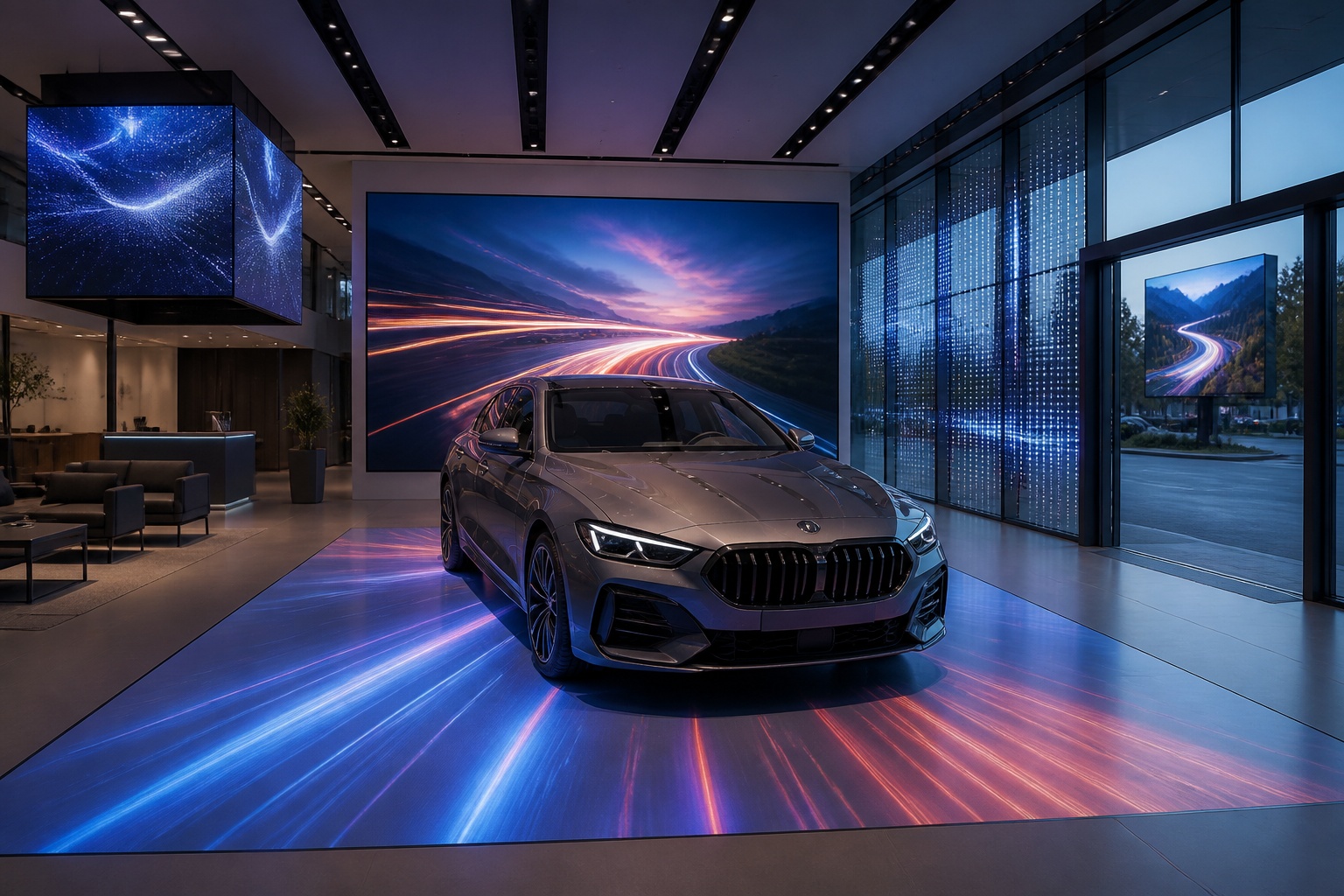
A B2B technical guide to selecting and combining fixed, floor, transparent, cube and other LED displays for automotive dealerships and 4S showrooms.
What LED Displays Can a 4S Dealership Use and How Should They Be Combined?
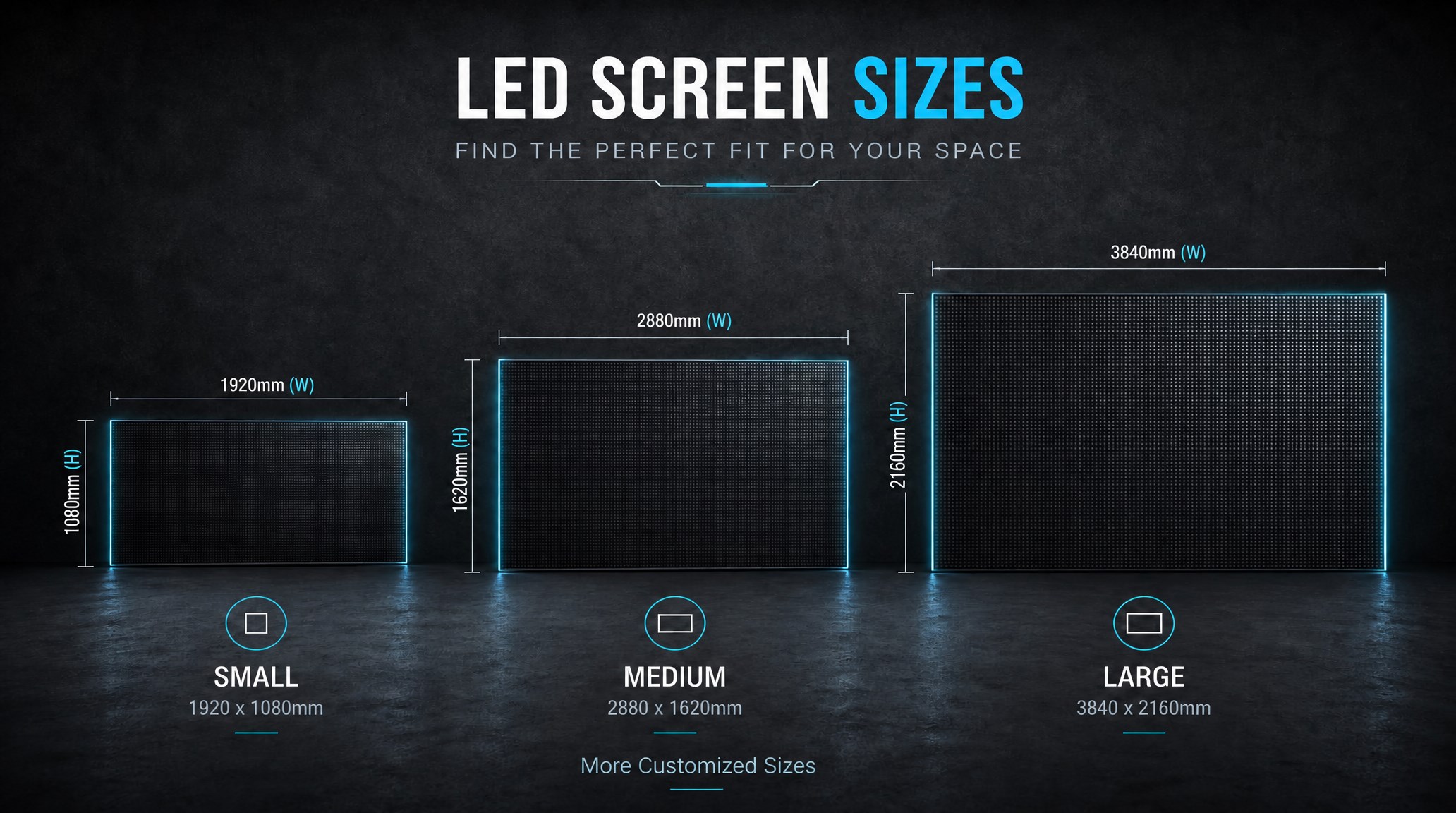
A practical guide explaining how to calculate LED display size, select pixel pitch, determine viewing distance, and choose suitable LED wall dimensions for commercial projects.
How to Choose the Right LED Display Size? Complete LED Screen Size Guide
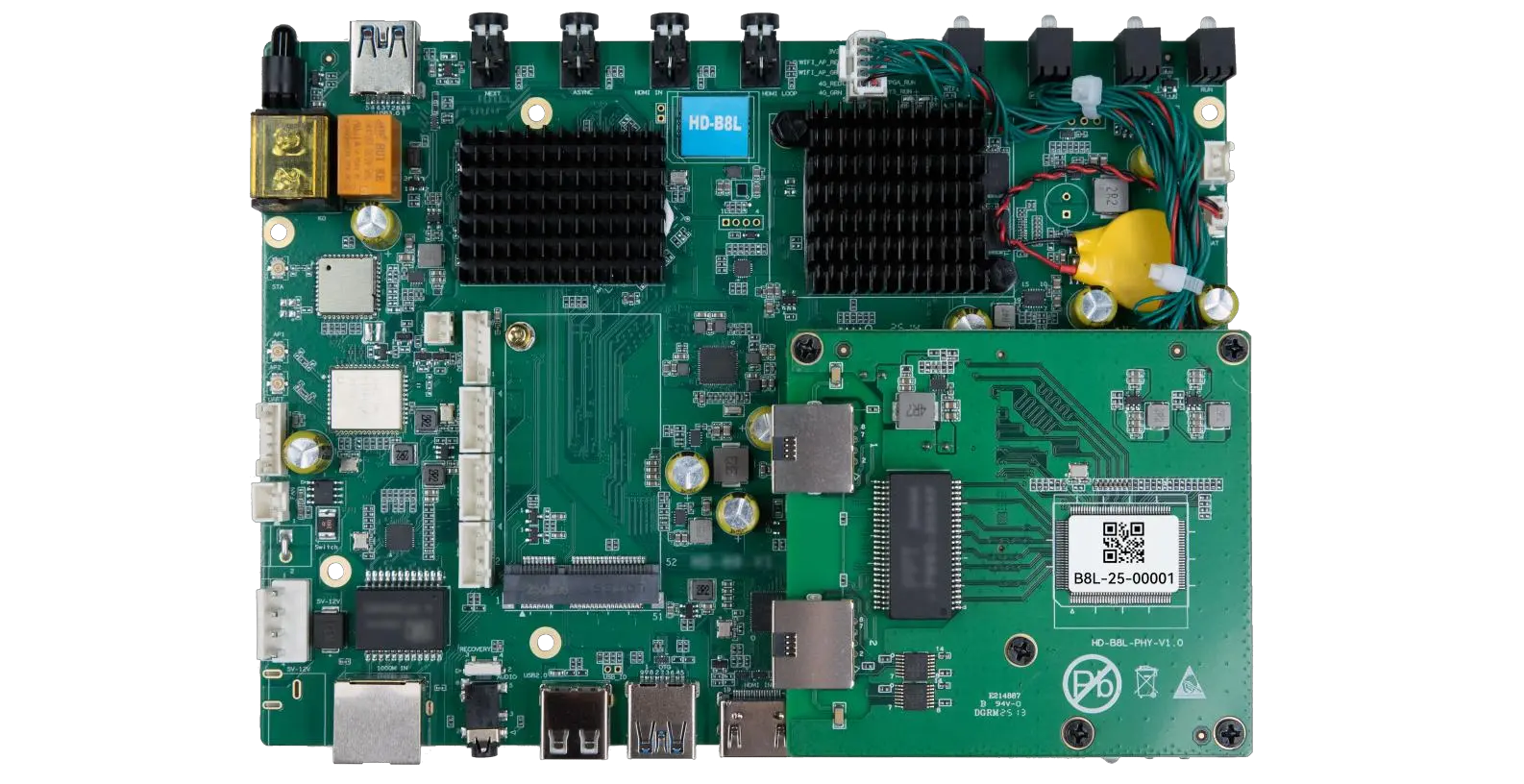
The HD-B8L Poster Screen Control System is an Android-based LED display controller designed for commercial LED poster displays and digital signage. It integrates media playback, asynchronous LED control, HDMI synchronization, network communication, and cloud management into one device, simplifying installation and centralized content management.
What Is the HD-B8L Poster Screen Control System? A Complete Technical Guide for Commercial LED Displays
Tell Us What Are You Looking For?
