
What Is an LED Display? A Complete Guide to Technology, Types & Uses
2026-01-16

Introduction: Why “What Is an LED Display?” Matters
Walk through any city street, stadium, retail store, or office, and you’ll encounter glowing screens that capture attention—these are LED displays. Yet many people ask, “What is an LED display, exactly?” and how does it differ from other technologies like LCD or OLED? Understanding the answer isn’t just academic: it helps you choose the right display for your business, event, or project, and ensures you get the most value from your investment.
In this guide, we’ll answer “what is an LED display” with clarity, break down its core components, explore common types, highlight key advantages, and share practical use cases—all while showcasing how JunChen Display’s LED solutions elevate performance and durability. Whether you’re a business owner looking for a retail sign, an event planner needing a video wall, or simply curious about the technology powering modern visuals, this guide has you covered.
What Is an LED Display? Core Definition & Working Principle
Let’s start with the basics: what is an LED display? An LED (Light-Emitting Diode) display is a flat-panel screen that uses tiny semiconductor devices called LEDs to emit light and form images, text, or video. Unlike LCDs (Liquid Crystal Displays), which require a backlight to function, LEDs are self-illuminating—each pixel (or sub-pixel) generates its own light, resulting in brighter, more vibrant visuals.
How Does an LED Display Work?
At its core, an LED display operates through the following process:
- LED Chips: The heart of the display—each LED chip emits light when an electric current passes through it. JunChen Display uses high-grade LED chips (from brands like Cree and Nichia) for consistent brightness and longer lifespan.
- Pixel Structure: Most LED displays use RGB pixels, meaning each pixel contains three sub-pixels (red, green, blue). By adjusting the intensity of each sub-pixel, the display can produce millions of colors.
- Driver ICs: These integrated circuits control the current flowing to each LED, ensuring precise color and brightness regulation. JunChen Display’s advanced driver ICs minimize power consumption while maximizing image clarity.
- Control System: A control board (paired with software like JunChen Display’s proprietary platform) sends signals to the driver ICs, mapping content (text, images, video) onto the screen.
In short, an LED display is a grid of tiny, programmable lights that work together to create dynamic visuals—one of the reasons it’s become the go-to technology for both indoor and outdoor applications.
Key Components of an LED Display (Beyond the Basics)
To fully answer “what is an LED display,” it’s important to understand its critical components—each plays a role in performance and durability:
- PCB Board: The printed circuit board that connects LEDs, driver ICs, and power supplies. JunChen Display uses high-quality PCBs with anti-corrosion coatings for outdoor models.
- Power Supply: Converts AC power to DC (typically 5V or 12V) for the LEDs. JunChen’s power supplies include surge protection to prevent electrical damage.
- Housing/Enclosure: Protects internal components from dust, moisture, and physical impact. Outdoor LED displays from JunChen Display feature IP65+ ratings for weather resistance.
- Cooling System: Fans or heat sinks that dissipate heat (critical for extending lifespan). JunChen’s large-format displays include advanced thermal management to prevent overheating.
Common Types of LED Displays (And Which One Is Right for You)
Now that we’ve answered “what is an LED display,” let’s explore the most common types—each designed for specific use cases:
1. Indoor LED Displays
- Features: Small pixel pitch (typically 1.2mm–4mm for close viewing), lower brightness (150–500 cd/m²), and lightweight design.
- JunChen Display Offerings: The JunChen Indoor COB Series uses Chip-on-Board technology for seamless visuals, ideal for meeting rooms, retail stores, and indoor events.
2. Outdoor LED Displays
- Features: Larger pixel pitch (4mm–16mm), high brightness (800–2000 cd/m² to combat sunlight), and weatherproof enclosures.
- JunChen Display Offerings: The JunChen Outdoor GOB Series is dustproof, waterproof, and corrosion-resistant—perfect for billboards, stadiums, and street-side ads.
3. COB vs. SMD LED Displays
- SMD (Surface-Mounted Device): Traditional design with LEDs mounted on the PCB surface. Affordable and widely used for general applications.
- COB (Chip-on-Board): LEDs are directly bonded to the PCB, covered in a protective resin. JunChen’s COB displays offer better durability, higher contrast, and reduced glare—ideal for high-traffic or harsh environments.
4. Transparent LED Displays
- Features: See-through design (30–80% transparency) that mounts on glass surfaces (e.g., storefronts, building windows).
- JunChen Display Offerings: The JunChen Transparent Series maintains clarity while delivering vibrant visuals, making it popular for retail and architectural applications.
5. LED Video Walls
- Features: Modular panels that connect to form large, seamless displays. Customizable size and aspect ratio.
- JunChen Display Offerings: JunChen’s Video Wall Modules are easy to install and calibrate, used in control rooms, concert venues, and corporate lobbies.
What Is an LED Display’s Key Advantages Over Other Technologies?
To truly understand “what is an LED display,” it’s helpful to compare it to alternatives like LCD and OLED:
| Feature | LED Display | LCD Display | OLED Display |
|---|---|---|---|
| Brightness | High (ideal for outdoor/bright rooms) | Low (needs backlight, poor outdoor use) | Moderate (not sun-resistant) |
| Lifespan | 50,000–100,000 hours (JunChen’s models) | 30,000–60,000 hours | 30,000–50,000 hours (prone to burn-in) |
| Durability | Rugged (resistant to dust/moisture) | Fragile (glass panel, limited weather resistance) | Fragile (organic materials) |
| Viewing Angle | Wide (160°+ horizontal/vertical) | Narrow (color shift at angles) | Wide (similar to LED) |
| Energy Efficiency | High (only lit pixels use power) | Low (backlight runs constantly) | Moderate (self-illuminating but less efficient than LED) |
For most commercial and outdoor applications, LED displays (especially JunChen’s models) outperform LCD and OLED in durability, brightness, and lifespan—answering “what is an LED display’s value proposition” clearly.
Practical Use Cases: Where LED Displays Shine
Now that you know “what is an LED display” and its advantages, let’s look at real-world applications:
1. Retail & Advertising
- Use: Promote products, display sales, or create immersive store experiences.
- JunChen Solution: Indoor COB displays for in-store signage and outdoor billboards for street-side advertising—both with dynamic content capabilities.
2. Events & Entertainment
- Use: Concert backdrops, stadium scoreboards, or trade show booths.
- JunChen Solution: Rental LED panels (lightweight and portable) and large-format video walls for crowd engagement.
3. Corporate & Industrial
- Use: Control room monitors, office lobbies, or internal communication screens.
- JunChen Solution: High-resolution video walls with 24/7 reliability and remote monitoring.
4. Architectural & Public Spaces
- Use: Building facades, transit stations, or public information displays.
- JunChen Solution: Transparent LED displays and weatherproof outdoor models that blend with surroundings.
Common Myths About LED Displays (Debunked)
Even after answering “what is an LED display,” misconceptions persist. Let’s set the record straight:
-
Myth 1: “LED displays are too expensive.”Fact: While upfront costs may be higher than LCD, LED displays (like JunChen’s) have lower long-term costs due to longer lifespan and energy efficiency.
-
Myth 2: “LED displays are only for large spaces.”Fact: LED displays come in sizes from small retail signs (30cm x 30cm) to stadium-sized video walls—JunChen offers custom solutions for any space.
-
Myth 3: “LED and OLED are the same.”Fact: OLED uses organic materials (prone to burn-in and shorter lifespan), while LED uses inorganic semiconductors—JunChen’s LED displays are more durable for commercial use.
-
Myth 4: “Outdoor LED displays don’t work in cold weather.”Fact: JunChen’s outdoor LED displays are engineered to operate in temperatures from -40°C to 60°C, with heating systems for extreme cold.
How to Choose the Right LED Display (With JunChen Display)
Now that you’ve answered “what is an LED display,” here’s how to select the right model:
- Define Your Use Case: Indoor vs. outdoor, viewing distance, and content type (text vs. video).
- Pixel Pitch: Smaller pitch (1.2mm–2.5mm) for close viewing; larger pitch (4mm+) for outdoor/long distances.
- Brightness: Match to ambient light (e.g., 800+ cd/m² for outdoor use).
- Durability: Look for IP ratings (IP65+ for outdoor) and quality components (like JunChen’s Cree chips).
- Support: Choose a brand with reliable customer service—JunChen Display offers 24/7 technical support and a 3–5 year warranty.
Conclusion: What Is an LED Display, and Why It’s the Future of Visuals
To wrap up: what is an LED display? It’s a versatile, durable, and high-performance visual technology that uses self-illuminating LEDs to create dynamic content—ideal for everything from small retail signs to large stadium video walls. Its key advantages (brightness, lifespan, energy efficiency) make it superior to LCD and OLED for most commercial and outdoor applications.
When you choose a JunChen Display LED solution, you’re not just getting a screen—you’re investing in premium components, advanced design, and reliable support that maximize your display’s value. Whether you’re looking to attract customers, engage event attendees, or streamline internal communication, an LED display from JunChen Display delivers clarity, durability, and impact.
If you’re still asking “what is an LED display’s best fit for my needs,” reach out to JunChen Display’s team of experts—we’ll help you find the perfect solution tailored to your goals.
How Much Is a Stadium Jumbotron? High School, College & Pro Venue Price Ranges
How to Replace LED Modules for Portable Event LED Screens: A Quick Guide for Event Pros
Related Article
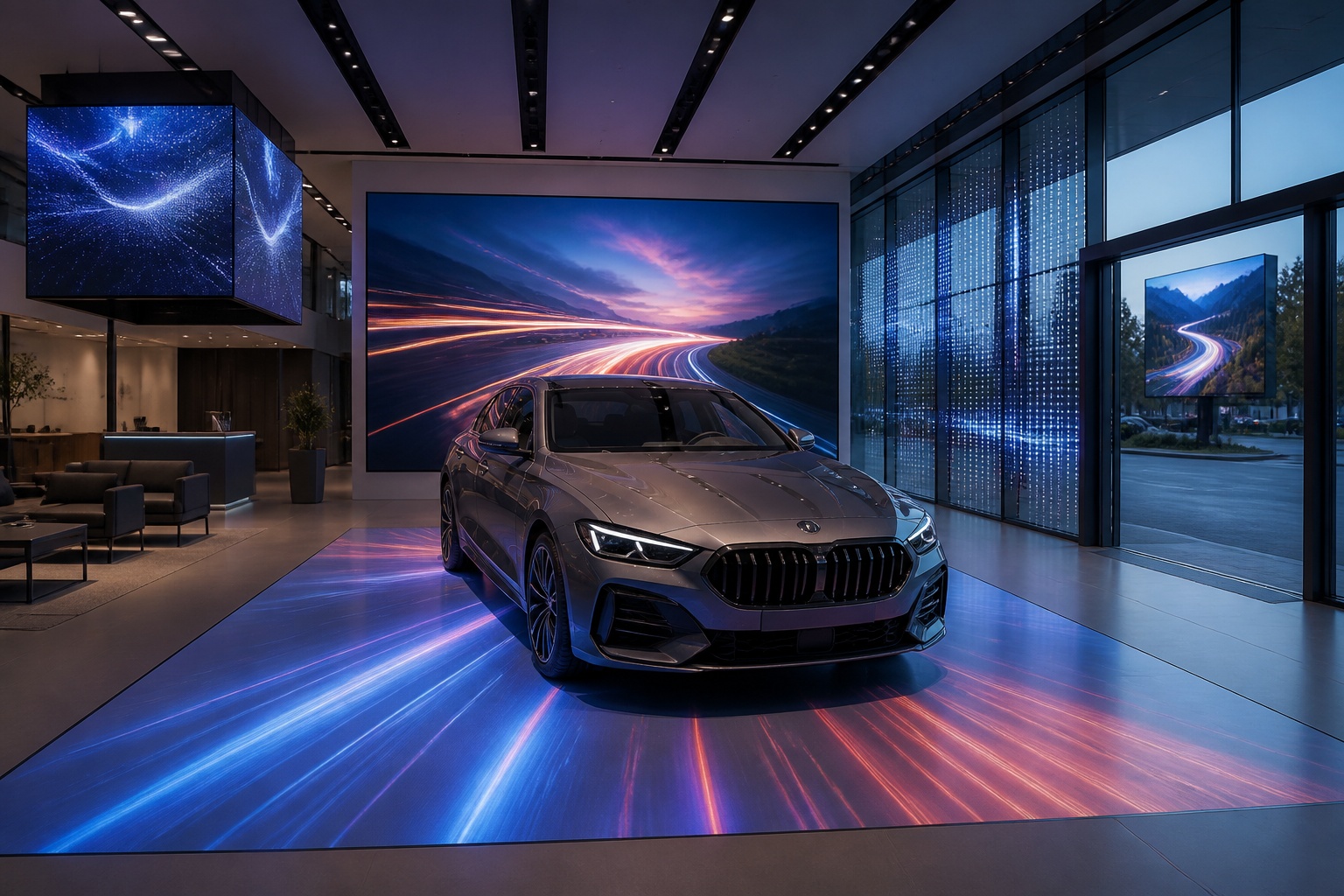
A B2B technical guide to selecting and combining fixed, floor, transparent, cube and other LED displays for automotive dealerships and 4S showrooms.
What LED Displays Can a 4S Dealership Use and How Should They Be Combined?
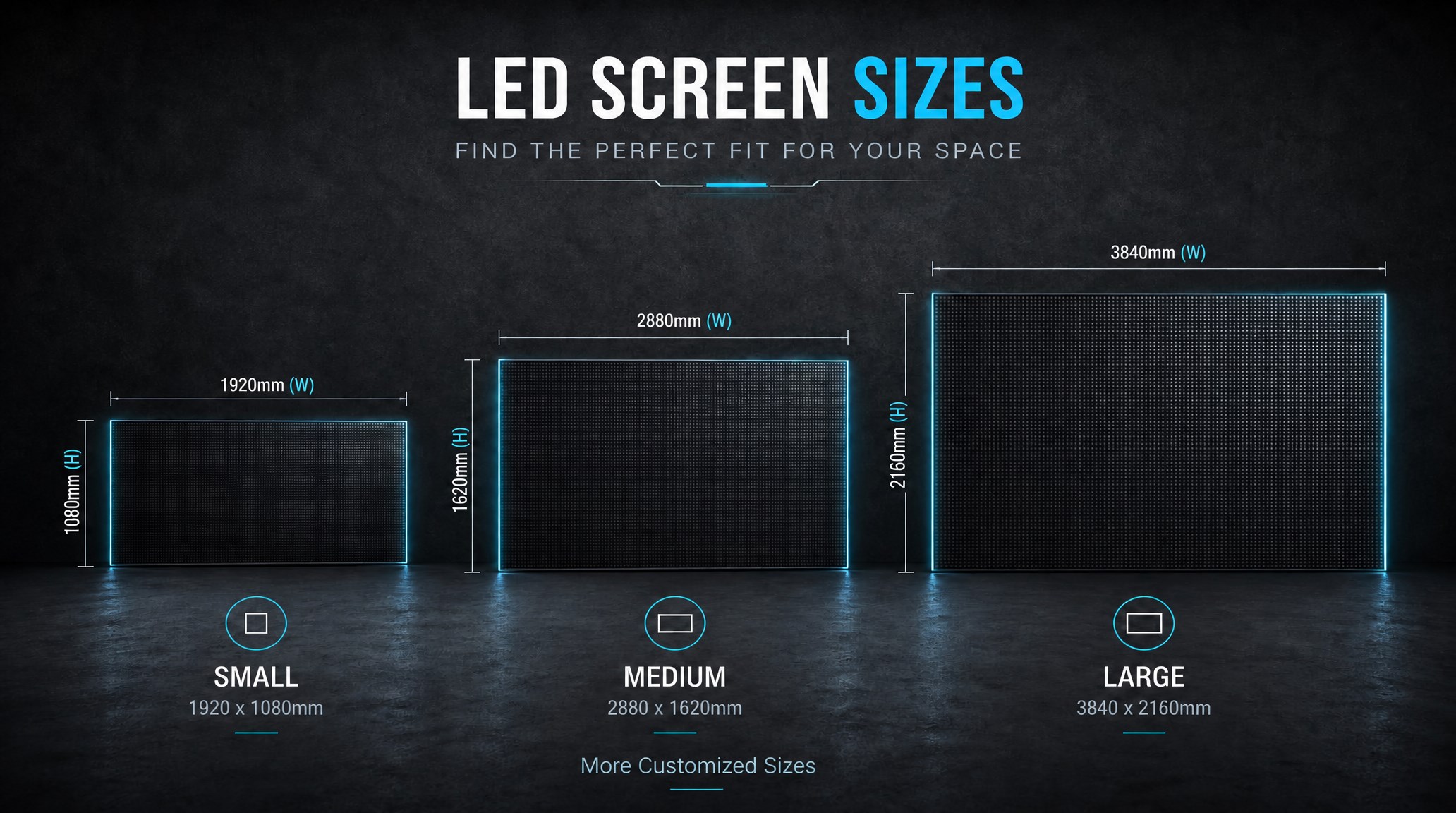
A practical guide explaining how to calculate LED display size, select pixel pitch, determine viewing distance, and choose suitable LED wall dimensions for commercial projects.
How to Choose the Right LED Display Size? Complete LED Screen Size Guide
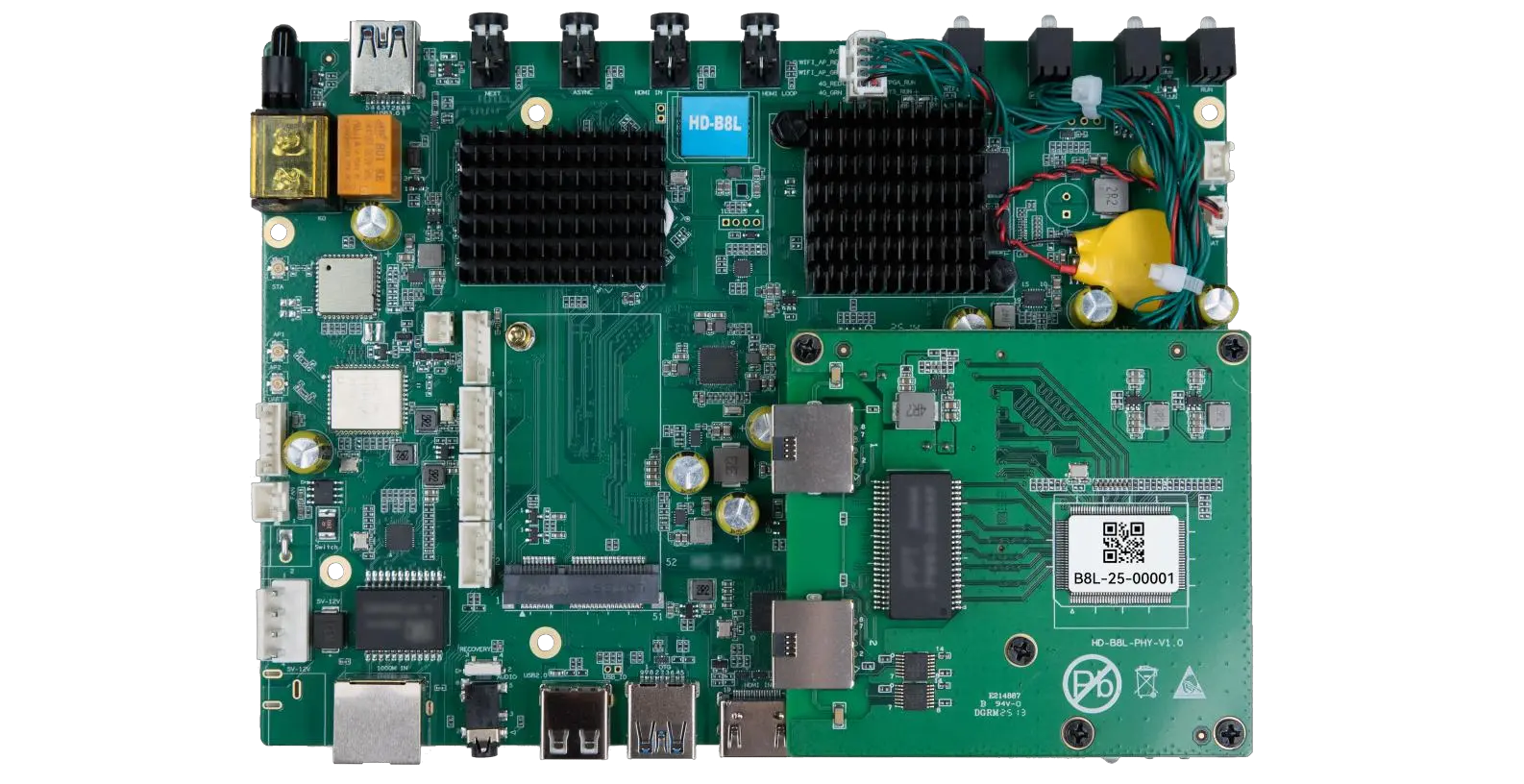
The HD-B8L Poster Screen Control System is an Android-based LED display controller designed for commercial LED poster displays and digital signage. It integrates media playback, asynchronous LED control, HDMI synchronization, network communication, and cloud management into one device, simplifying installation and centralized content management.
What Is the HD-B8L Poster Screen Control System? A Complete Technical Guide for Commercial LED Displays
Tell Us What Are You Looking For?
