
What Is a Jumbotron? 2025 Ultimate Guide to Giant LED Displays
2025-11-17
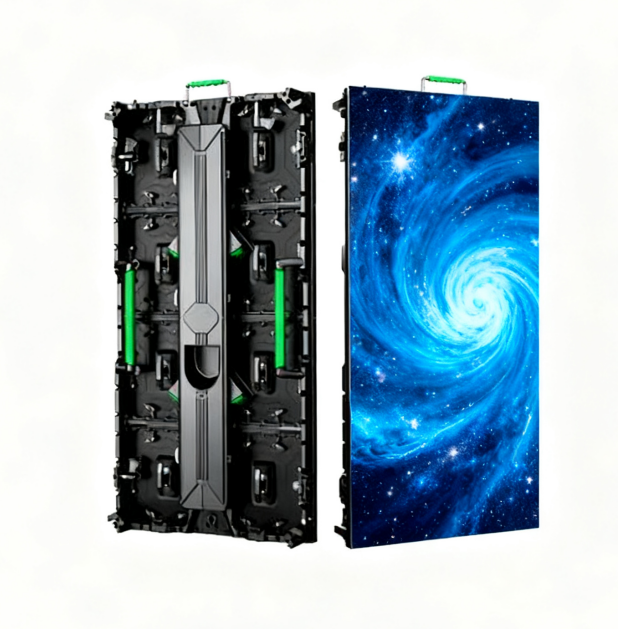
What Is a Jumbotron? 2025 Ultimate Guide to Giant LED Displays
If you’ve ever attended a sports game, concert, or large public event, you’ve probably asked: What Is a Jumbotron? This iconic giant screen isn’t just a “big TV”—it’s a cornerstone of immersive live experiences, blending size, technology, and engagement. In 2025, the jumbotron continues to evolve, staying relevant as the gold standard for large-scale visual communication. This guide dives deep into answering What Is a Jumbotron? while covering its history, tech, uses, and future—essential for event planners, venue managers, or anyone curious about these massive displays.
1. What Is a Jumbotron? Core Definition & Origin
To answer What Is a Jumbotron?, we start with its roots and modern meaning. The term “Jumbotron” was trademarked by Sony in 1984, when the company unveiled the first official jumbotron at the Los Angeles Olympics. This groundbreaking display measured 9.1m×15.2m (30×50 feet), used cathode-ray tube (CRT) technology, and weighed a staggering 132 tons—revolutionizing how audiences viewed live events.
Today, the term has become generic (like “Kleenex” for tissues) and refers to any large-format, high-brightness LED display designed for crowds. A modern jumbotron is defined by three traits: scale (typically 100+ square meters for commercial use), visibility (clear even in sunlight or bright venues), and purpose (delivering dynamic content to thousands simultaneously). Unlike small screens, it’s built to turn passive viewers into engaged participants.
2. Jumbotron vs. Regular LED Screens: Key Differences
A common follow-up to What Is a Jumbotron? is “How is it different from a regular LED screen?” The gap lies in four critical areas:
-
Size & Scale: Regular LED screens range from 1–50 square meters; a jumbotron starts at 100 square meters (e.g., a 10m×10m display) and can reach 1,000+ square meters (like SoFi Stadium’s 7,500㎡ screen).
-
Brightness: Regular indoor LED screens hit 300–500 nits; outdoor jumbotron models reach 5,000–10,000 nits to combat sunlight—ensuring visibility from 100+ meters away.
-
Durability: Regular screens use basic casings; jumbotron panels have IP65/IP67 ratings (water/dust resistant) and can withstand extreme temperatures (-20°C to 60°C).
-
Content Handling: Regular screens play simple videos; jumbotrons sync with live feeds, 3D projections, and audience互动 (e.g., fan cams, real-time stats).
3. Core Technical Features of a Modern Jumbotron
Understanding a jumbotron’s tech helps answer “What Is a Jumbotron?” beyond just size. Here are its key components:
Pixel Pitch: The distance between LED pixels—critical for clarity. Jumbotrons use 4.8–10mm pixel pitch for outdoor venues (viewing distance 10–50m) and 2.5–3.9mm for indoor setups (closer audiences). Smaller pitch = sharper details but higher cost.
Modular Panels: Unlike one-piece TVs, a jumbotron is built from modular LED panels (e.g., 50cm×50cm units) that assemble into custom shapes—curves, rectangles, or even irregular designs (like the Super Bowl’s circular jumbotron).
Refresh Rate: 1920Hz+ to avoid motion blur during fast-paced sports (e.g., football replays) or concert choreography. Lower refresh rates cause eye strain for large crowds.
Control Systems: Advanced controllers sync hundreds of panels to act as one screen, supporting 4K/8K resolution and real-time content switching (e.g., from a concert performance to a sponsor ad).
4. The History of Jumbotron: From CRT to LED
Tracing its evolution adds context to “What Is a Jumbotron?” The journey began in 1984 with Sony’s CRT-based model, which was heavy and limited in resolution. By the 1990s, LCD jumbotrons emerged, lighter but still dim for outdoors.
The 2010s brought a revolution: LED jumbotrons. These replaced CRT/LCD with energy-efficient LEDs, cutting weight by 70% and boosting brightness. Sony sold its jumbotron division in 2012, but the term stuck as other brands (Samsung, LG, Daktronics) led innovation. By 2020, 8K jumbotrons arrived, and 2025 sees AI integration for personalized content—like showing local team stats to specific stadium sections.
5. Top Applications of Jumbotron in 2025
A jumbotron’s versatility is part of why it remains vital. Here are its 2025 use cases:
-
Sports Venues: NFL, NBA, and soccer stadiums use jumbotrons for replays, player bios, and interactive games (e.g., “Guess the Score” with fan inputs).
-
Concerts & Festivals: Taylor Swift’s Eras Tour uses a 200m-wide jumbotron to project holographic visuals, while Coachella’s main stage jumbotron wraps around attendees for 360° immersion.
-
Corporate & Public Events: Conferences (e.g., CES) use jumbotrons for keynotes; airports and malls display wayfinding, ads, and real-time updates (e.g., flight status).
-
Major Gatherings: The 2026 FIFA World Cup will feature 8K jumbotrons in all stadiums, syncing with VR headsets for remote fans to “join” the crowd.
6. 2025 Trends Shaping the Future of Jumbotron
To fully answer “What Is a Jumbotron?” we look at its future. 2025 trends include:
AI-Powered Content: Jumbotrons will use AI to analyze crowd reactions and adjust content—e.g., playing a fan-favorite replay if cheers peak.
Transparent LED Panels: New jumbotron designs use transparent LEDs, letting light pass through while displaying content (ideal for stadium roofs or building facades).
Energy Efficiency: 2025 jumbotrons use 30% less energy than 2020 models, with solar-powered options for outdoor venues (e.g., festival stages).
Multi-Sensory Integration: Some jumbotrons will pair with haptic floors or sound systems, so fans feel vibrations syncing with on-screen action (e.g., a bass drop at a concert).
7. How to Choose a Jumbotron for Your Venue
If you’re considering a jumbotron, follow these steps:
-
Assess Your Space: Measure the venue size and audience distance—outdoor stadiums need larger, brighter jumbotrons than indoor arenas.
-
Define Your Goals: Do you need replays (sports), visuals (concerts), or info (malls)? This dictates resolution and互动 features.
-
Set a Budget: Jumbotron costs range from $50,000 (small 100㎡) to $500,000+ (large 500㎡+). Factor in installation and maintenance.
-
Choose a Reputable Brand: Opt for Daktronics, Samsung, or LG—they offer 5–10 year warranties and 24/7 support for critical events.
FAQ: Common Questions About Jumbotron
Q: What Is a Jumbotron’s lifespan? A: Modern LED jumbotrons last 100,000+ hours (10–15 years with daily 8-hour use). Regular maintenance extends this even longer.
Q: Can a jumbotron be used indoors? A: Yes—indoor jumbotrons (e.g., in arenas or convention centers) use 3,000–5,000 nits brightness and smaller pixel pitch for close-up viewing.
Q: How much does it cost to rent a jumbotron? A: Event rentals range from $10,000–$50,000 per week, depending on size. Short-term (1–3 day) rentals cost 20–30% more per day.
Q: Do jumbotrons require professional installation? A: Yes—assembling modular panels needs a 4–8 person team with structural engineering knowledge to ensure safety (especially for ceiling-mounted jumbotrons).
Conclusion
Answering What Is a Jumbotron? goes beyond “a big screen”—it’s a technology that has redefined live experiences. From Sony’s 1984 CRT model to 2025’s AI-powered, energy-efficient LED displays, the jumbotron remains essential for connecting large audiences to content that matters.
Whether at a sports game, concert, or public event, its ability to blend size, clarity, and makes it irreplaceable. As trends like transparent panels and multi-sensory integration grow, the jumbotron will keep evolving—but its core purpose (turning moments into memories) will stay the same. For anyone looking to elevate their venue or event, understanding the jumbotron is the first step to creating unforgettable experiences.
What Does LED Stand For? 2025 Complete Guide to LED Technology
Jumbotron 2025: Ultimate Guide to Giant Screens & Minijumbotron Trends
Related Article
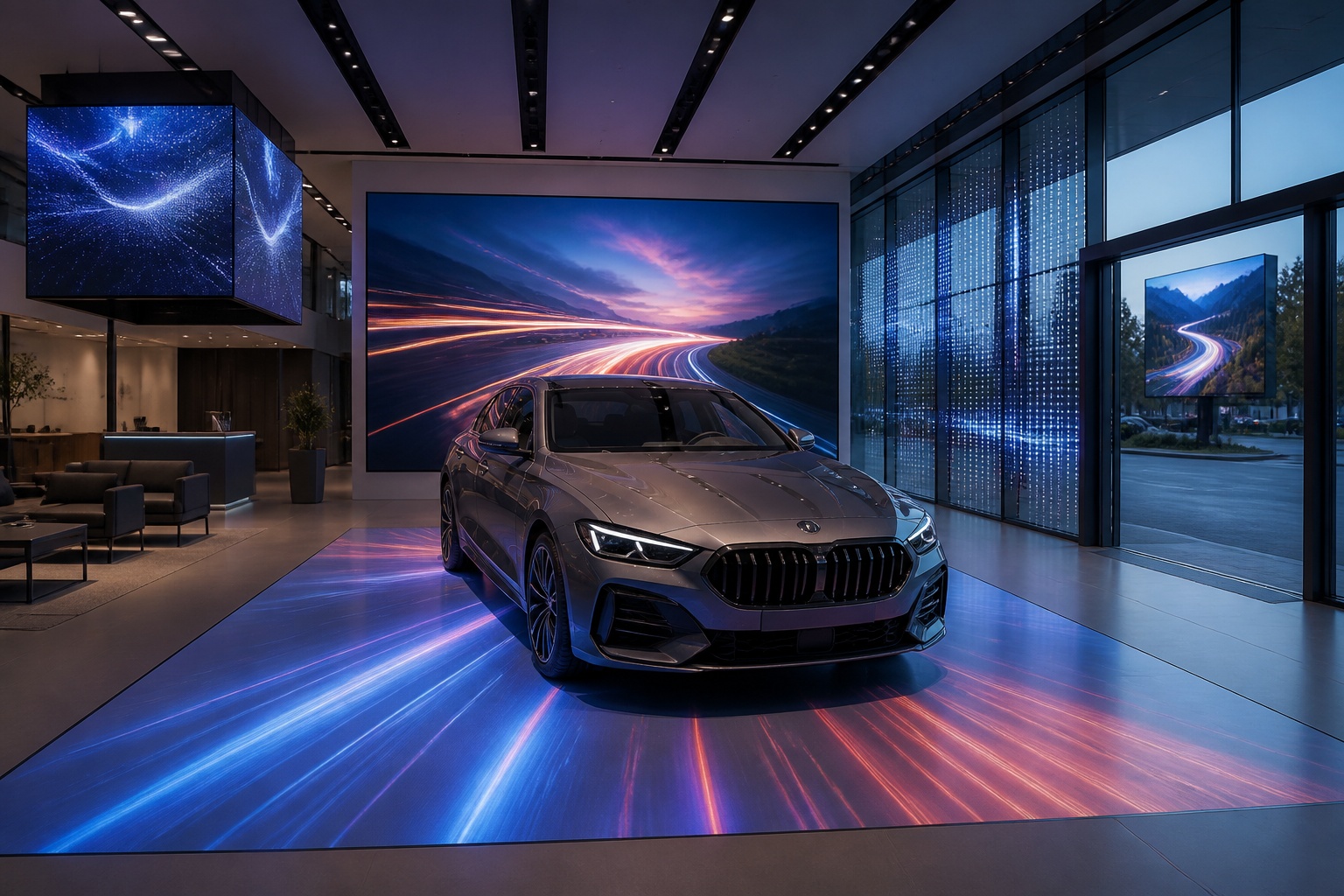
A B2B technical guide to selecting and combining fixed, floor, transparent, cube and other LED displays for automotive dealerships and 4S showrooms.
What LED Displays Can a 4S Dealership Use and How Should They Be Combined?
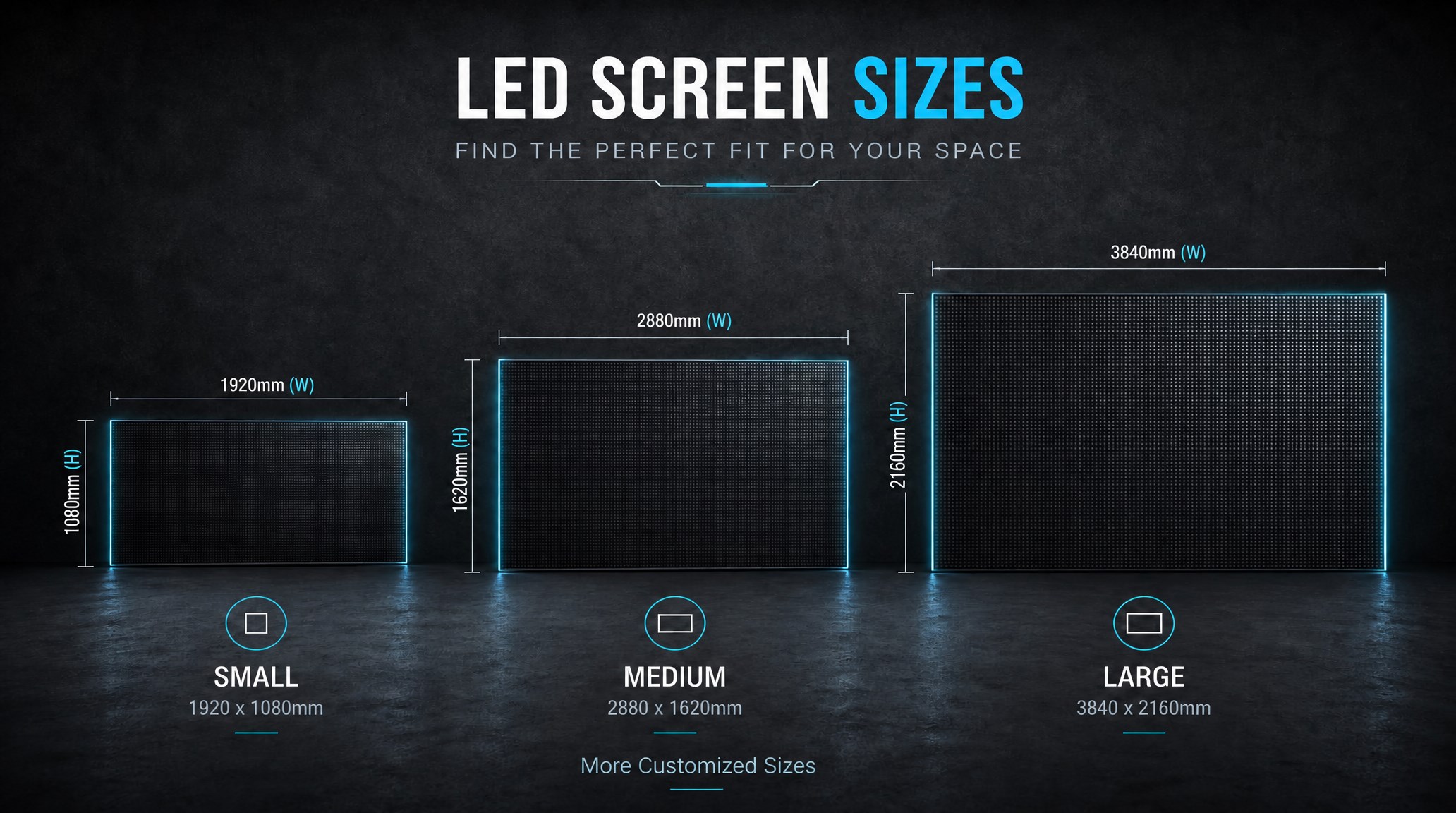
A practical guide explaining how to calculate LED display size, select pixel pitch, determine viewing distance, and choose suitable LED wall dimensions for commercial projects.
How to Choose the Right LED Display Size? Complete LED Screen Size Guide
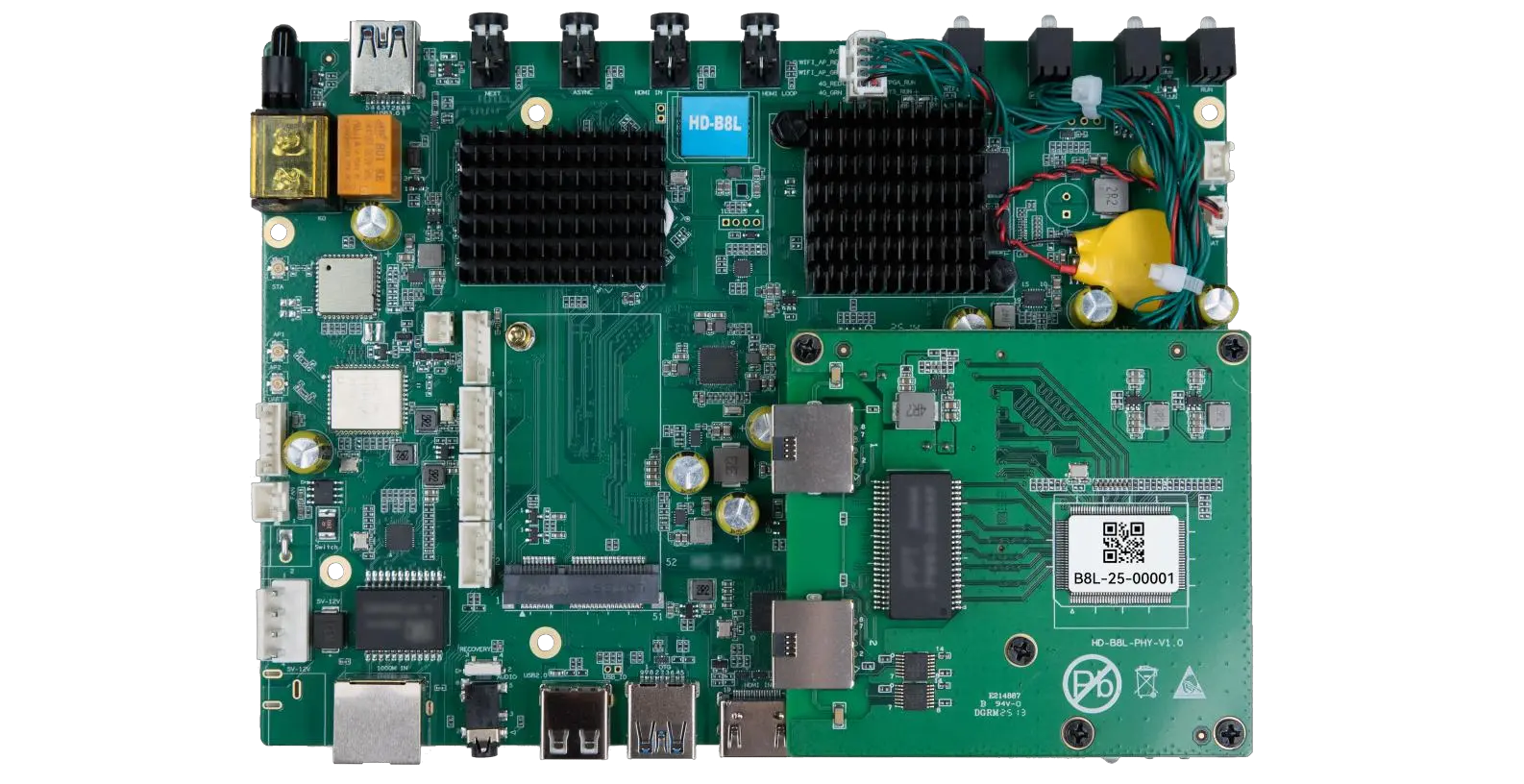
The HD-B8L Poster Screen Control System is an Android-based LED display controller designed for commercial LED poster displays and digital signage. It integrates media playback, asynchronous LED control, HDMI synchronization, network communication, and cloud management into one device, simplifying installation and centralized content management.
What Is the HD-B8L Poster Screen Control System? A Complete Technical Guide for Commercial LED Displays
Tell Us What Are You Looking For?
