Transparent LED Screens: Technology, Applications & How to Build One in 2025
2025-09-08
Transparent LED Screens: Technology, Applications & How to Build One in 2025
Introduction
Not long ago, transparent screens felt like science fiction—think Tom Cruise swiping data on a see-through display in Minority Report. Today, they’re reshaping our world. From retail storefronts to smart city skyscrapers, transparent LED screens and their counterparts (like led transparent displays and ultra-thin transparent LED film) are blurring the line between the physical and digital.
These aren’t just “see-through TVs.” Innovations like acoustically transparent screens (which let sound pass through) and transparent flexible film screens (thin enough to bend around curves) are unlocking new ways to interact with technology. In this guide, we’ll break down how they work, where they’re used, and even how to make a transparent display yourself.
How Transparent LED Screens Work: Behind the “Invisible” Display
At their core, transparent screens solve a key problem: how to show digital content without blocking what’s behind them. Here’s how different types pull it off:
1. Transparent LED Screens & LED Transparent Displays
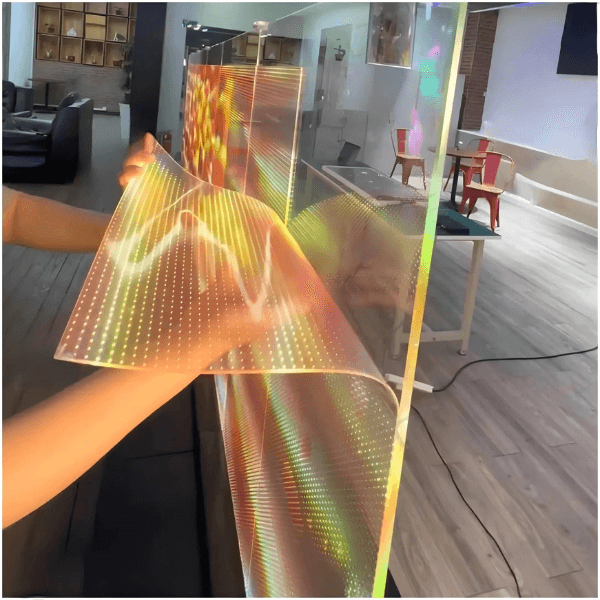
Unlike traditional LEDs (which pack pixels tightly), transparent LED screens use a “hollow” design. Their LED chips are spaced out on a clear substrate (like glass or thin plastic), leaving most of the surface open to light. This lets 70-85% of natural light pass through—enough to keep windows functional while showing videos or text.
LED transparent displays take this further. By using micro-LEDs (tiny, bright chips) and ultra-thin circuit boards, they hit 80% transparency or higher. Brands like Samsung use this for storefronts: imagine a glass window that switches from “clear” to “showing a product demo” with the tap of a button.
2. Transparent LED Film: The “Sticker” Screen
Transparent LED film is even more flexible. Thin as a credit card (2mm or less) and lightweight (3kg/m²), it sticks directly to existing glass—no need to replace windows. How? Its LED chips are printed onto a clear, adhesive film, making it easy to install on curved surfaces (like mall escalator glass or restaurant windows).
It’s perfect for retail: A 2024 study found stores using transparent flexible film screens saw 40% more foot traffic, as passersby stop to watch content overlayed on physical products.
3. Acoustically Transparent Screens: When Sound Matters
Most screens block sound, but acoustically transparent screens are designed to let audio through. They use micro-perforations (tiny holes) or woven materials that let 90% of sound pass while keeping the display clear.
Where’s this useful? Home theaters (so speakers behind the screen still sound crisp) or conference rooms (where a presentation screen doesn’t muffle a speaker’s voice). Brands like Sony offer models with 60-75% transparency—enough to see through, but not enough to distract from the content.
How to Make a Transparent Display: A DIY Guide
You don’t need a lab to build a basic transparent screen. Here’s a step-by-step for a small-scale version:
- Gather materials: A clear substrate (acrylic or thin glass), flexible LED strips (3mm or narrower), a transparent circuit board (like ITO-coated glass), and a power supply.
- Arrange the LEDs: Stick the LED strips to the substrate, spacing them 1-2cm apart (wider gaps = more transparency, but dimmer content).
- Connect the circuit: Use conductive glue to attach the LEDs to the transparent circuit board, then wire it to the power supply.
- Test and tweak: Plug it in—if content looks patchy, adjust the LED spacing. For better clarity, add a polarizing film (reduces glare).
Pro tip: For a smoother finish, use transparent LED film instead of LED strips. It’s pre-made, easier to install, and more uniform.
Real-World Applications: Where Transparent Screens Shine
Transparent screens aren’t just cool—they’re solving problems across industries:
Retail: Blending Virtual and Physical
Uniqlo’s Tokyo flagship store uses transparent LED screens as “magic wardrobes.” Hold a shirt up to the screen, and it shows a virtual model wearing it, plus size charts and reviews. Sales of featured items jumped 35% after installation.
Architecture: Smart Buildings That “Talk”
In Dubai, the Burj Khalifa’s glass facade uses led transparent displays to show real-time weather and events. The screens are 85% transparent, so they don’t block sunlight, and their brightness adjusts automatically to avoid glare.
Transportation: Safer, Smarter Rides
Car makers like Byton use transparent flexible film screens on windshields. They project navigation (via AR) directly onto the glass, so drivers don’t have to look down at a dashboard. The film is tough enough to withstand rain and temperature swings (-20°C to 60°C).
Entertainment: Acoustically Transparent Screens in Theaters
Home theater enthusiasts love acoustically transparent screens. Place speakers behind them, and the sound feels like it’s coming from the movie—no muffling. Brands like Stewart Filmscreen offer 4K-capable models with 70% transparency.
Challenges & Breakthroughs
Transparent screens aren’t perfect—yet. Here’s what’s holding them back, and how innovators are solving it:
- Cost: Transparent LED film costs 3x more than traditional LED sheets, thanks to expensive materials like silver nanowire electrodes. But 2025 startups (like ClearView Tech) are using copper-based films to cut costs by 50%.
- Lifespan: More transparency means fewer LEDs, which can shorten lifespan (30,000 hours vs. 50,000 for non-transparent LEDs). New heat-resistant adhesives are extending this to 40,000+ hours.
- Outdoor visibility: Sunlight can wash out content. LG’s 2025 “SunGuard” tech uses nano-prisms to reflect glare, making outdoor transparent LED screens 200% easier to read.
Future Trends: What’s Next for Transparent Screens?
By 2030, expect:
- Rollable screens: Transparent flexible film screens that roll up like a poster—perfect for portable displays.
- Solar-powered models: Screens that double as transparent solar panels (absorbing UV light to power themselves).
- Smart city integration: Every glass building could become a led transparent display, showing traffic updates, energy usage, or community messages.
Conclusion
Transparent screens are no longer sci-fi—they’re here, and they’re evolving fast. Whether you’re a business owner looking to upgrade your storefront, a DIYer wanting to build a display, or just curious about the future of tech, transparent LED screens, acoustically transparent screens, and transparent LED film are worth watching.
The next time you walk past a glass window that “comes alive” with content, you’ll know: the transparent revolution is already here.
Want to explore transparent screen solutions for your space? Contact our team for a free consultation on led transparent display options tailored to your needs.
What is a Rental LED Screen? Complete Guide to LED Rental Displays in 2025
What is a Good Contrast Ratio for a Monitor?
Related Article
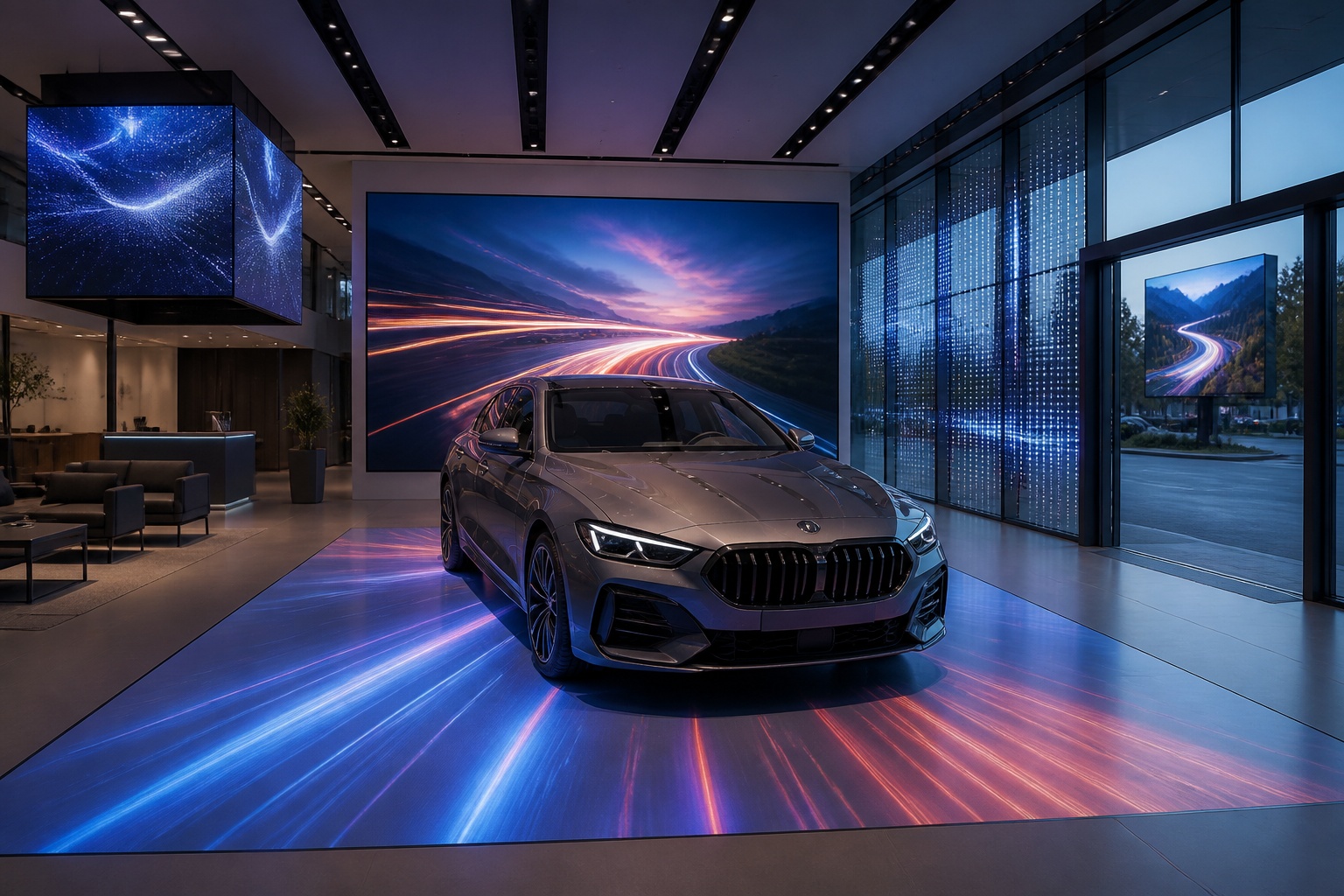
A B2B technical guide to selecting and combining fixed, floor, transparent, cube and other LED displays for automotive dealerships and 4S showrooms.
What LED Displays Can a 4S Dealership Use and How Should They Be Combined?
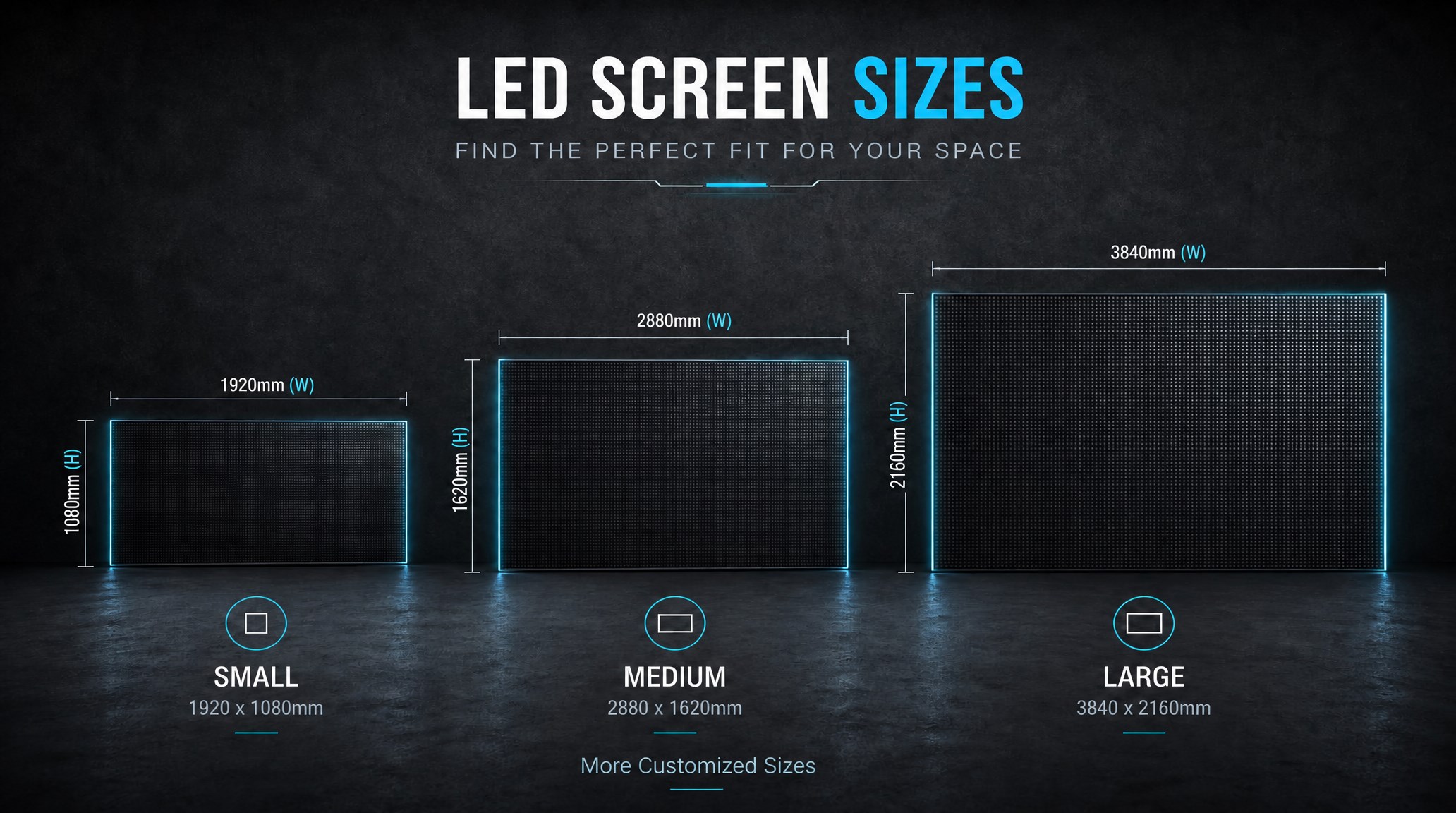
A practical guide explaining how to calculate LED display size, select pixel pitch, determine viewing distance, and choose suitable LED wall dimensions for commercial projects.
How to Choose the Right LED Display Size? Complete LED Screen Size Guide
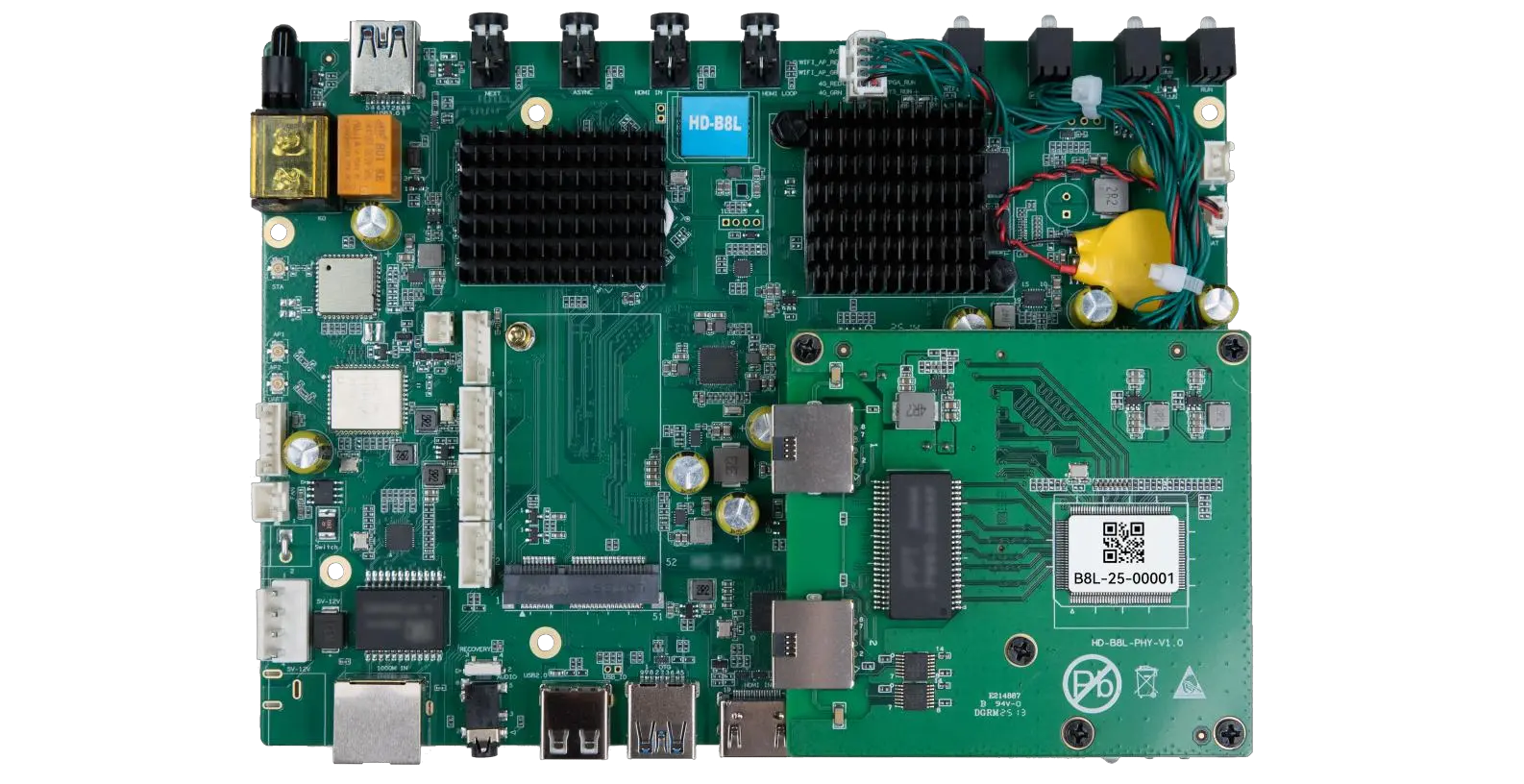
The HD-B8L Poster Screen Control System is an Android-based LED display controller designed for commercial LED poster displays and digital signage. It integrates media playback, asynchronous LED control, HDMI synchronization, network communication, and cloud management into one device, simplifying installation and centralized content management.
What Is the HD-B8L Poster Screen Control System? A Complete Technical Guide for Commercial LED Displays
Tell Us What Are You Looking For?
