
Taxi Top Advertising 2026: Ultimate Guide to Mobile Advertising Success
2026-01-02
Taxi Top Advertising 2026: Ultimate Guide to Mobile Advertising Success
In the crowded world of digital and outdoor advertising, taxi top advertising has emerged as a high-impact, mobile solution to reach urban audiences. Unlike static billboards or online ads that can be ignored, taxi top advertising moves with the city’s flow—targeting commuters, shoppers, and tourists where they live, work, and play. In 2026, advancements in LED technology and data analytics have made taxi top advertising even more versatile and cost-effective for brands of all sizes. This guide covers everything you need to know about taxi top advertising, from its core benefits to design tips and future trends.
1. What Is Taxi Top Advertising? Core Definition
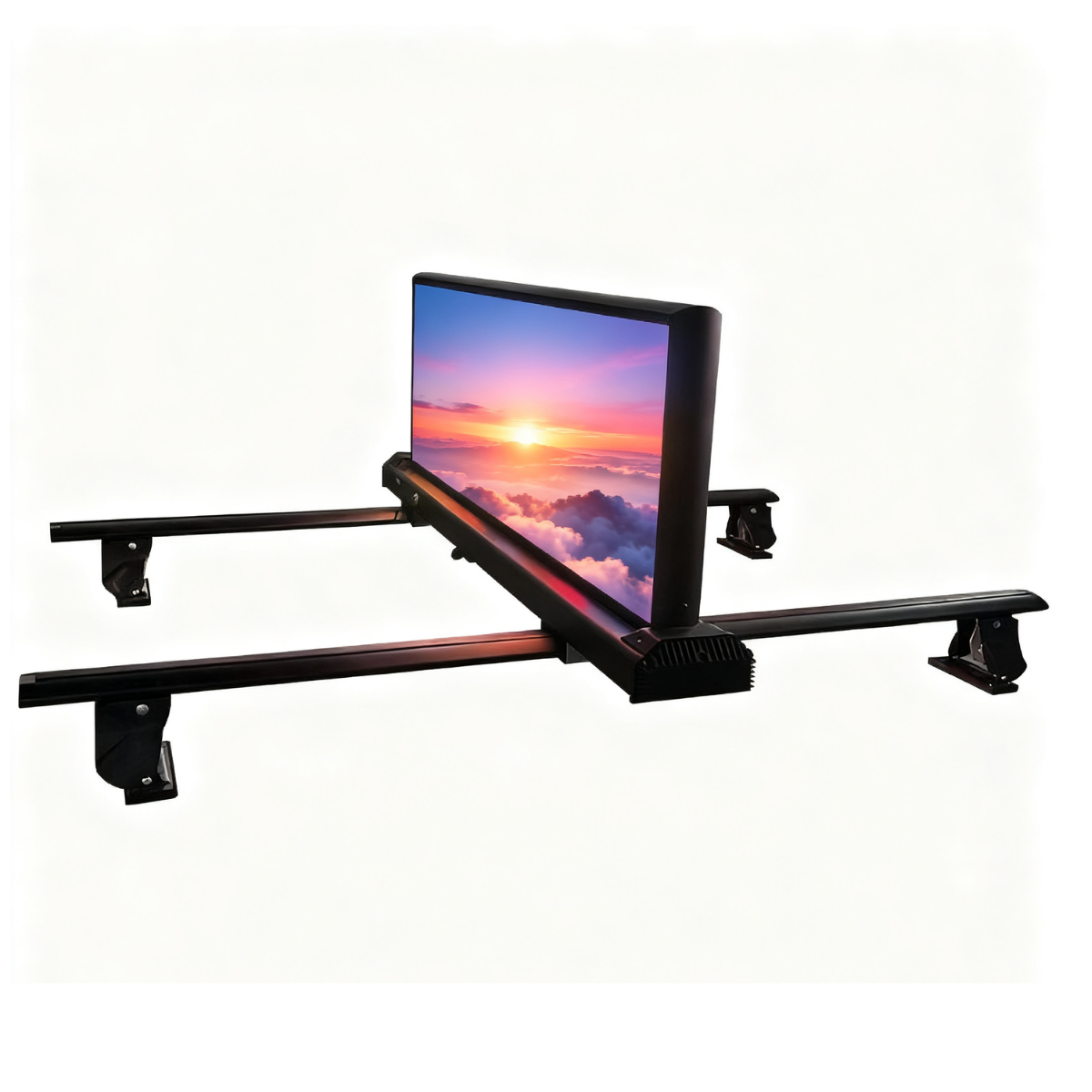
Taxi top advertising refers to promotional displays mounted on the roof of taxis, designed to showcase brand messages, visuals, or videos to pedestrians and other road users. The most common formats include static vinyl wraps, LED screens (the dominant 2025 choice), and digital billboards with real-time content capabilities. Unlike traditional outdoor ads tied to a single location, taxi top advertising leverages the mobility of taxis to cover high-traffic areas—from downtown business districts to tourist hotspots and residential neighborhoods.
Modern taxi top advertising systems are compact, energy-efficient, and weather-resistant (IP65-rated for rain, dust, and extreme temperatures). LED-based models, in particular, support bright, high-resolution visuals that stand out even in direct sunlight—making them a top choice for brands aiming to capture attention in busy urban environments.
2. Key Benefits of Taxi Top Advertising for Brands
For brands looking to maximize reach and engagement, taxi top advertising offers unique advantages that set it apart from other advertising channels:
-
Unmatched Mobility & Reach: Taxis travel 100–300 km daily, covering diverse areas that static billboards can’t. A single taxi with a top ad can reach 50,000+ people per day, while a fleet of 50 taxis can target millions of potential customers monthly.
-
Targeted Audience Delivery: Advanced taxi top advertising platforms let brands target specific neighborhoods, times (e.g., morning rush hour for coffee ads), or events (e.g., concerts, sports games). GPS tracking ensures ads are only displayed in high-value areas relevant to your audience.
-
High Visibility & Engagement: Taxi roofs are positioned at eye level for pedestrians and other drivers, with LED displays offering dynamic content (videos, animations) that outperforms static ads. Studies show digital taxi top advertising has a 3x higher recall rate than traditional billboards.
-
Cost-Effectiveness: Compared to prime-time TV ads or Times Square billboards, taxi top advertising is far more affordable. Small brands can start with a fleet of 10–20 taxis for $500–$1,500 per month, while large brands can scale to 100+ taxis for broader reach.
-
Real-Time Flexibility: Digital taxi top advertising allows instant content updates via cloud-based platforms. Brands can adjust messages for sales, weather events (e.g., umbrella ads during rain), or breaking news—ensuring content stays relevant and timely.
3. Taxi Top Advertising Formats: Which Is Best for You?
2026 offers three main taxi top advertising formats, each suited to different goals and budgets:
-
Static Vinyl Wraps: The most budget-friendly option ($200–$500 per taxi monthly). Ideal for simple, long-term messages (e.g., “New Restaurant Opening”). Limitation: No content updates without reprinting.
-
LED Screens: The most popular choice (60% of 2026 campaigns). High-resolution (1080p+) displays support videos, animations, and real-time updates. Cost: $800–$2,000 per taxi monthly. Perfect for brands wanting dynamic, engaging content.
-
Interactive Digital Displays: Cutting-edge option with touchless互动 (e.g., QR codes for customers to scan and claim discounts). Integrates with brand apps for data collection. Cost: $1,500–$3,000 per taxi monthly. Best for tech-savvy brands targeting younger audiences.
4. Top Industries for Taxi Top Advertising in 2026
Taxi top advertising works for nearly every industry, but these sectors see the highest ROI:
-
Food & Beverage: Restaurants, coffee shops, and fast-food chains use taxi top advertising to promote new menus, limited-time offers, or store locations. A 2026 study found coffee brands using taxi top ads saw a 22% increase in foot traffic to urban stores.
-
Retail: Clothing stores, electronics brands, and malls target shoppers in commercial districts. During holiday seasons, taxi top advertising drives last-minute purchases by reminding commuters of sales.
-
Events & Entertainment: Concerts, theaters, and sports teams use taxi top ads to promote upcoming events—especially effective near stadiums, airports, and hotels.
-
Local Services: Gyms, salons, and real estate agencies target specific neighborhoods. A gym in Chicago used taxi top advertising to promote new memberships, increasing sign-ups by 30% in 3 months.
-
Travel & Tourism: Hotels, tour companies, and airlines target tourists near airports, train stations, and landmarks. Taxi top ads with QR codes for booking discounts drive immediate conversions.
5. Design Tips for Effective Taxi Top Advertising
Since taxi top advertising is viewed in motion (3–10 seconds per glance), design is critical. Follow these tips to ensure your message lands:
-
Keep It Simple: Use 1–2 key messages (max 10 words) and bold visuals. Avoid cluttered text or small details—viewers won’t have time to process them.
-
Use High-Contrast Colors: Pair bright colors (red, yellow) with dark backgrounds (black, navy) to stand out. Avoid light-on-light or dark-on-dark combinations, especially for LED displays.
-
Highlight Brand Identity: Place your logo in a prominent position (top or bottom of the display). Viewers should recognize your brand within 2 seconds.
-
Opt for Short Videos: For LED taxi top advertising, use 5–10 second loops with smooth animations. Avoid fast cuts or complex scenes that confuse viewers.
-
Add a Clear CTA: Include a simple call to action (e.g., “Visit Our Store,” “Scan QR for Discount”). QR codes should be large enough (2x2 inches) to scan from a distance.
6. How to Measure the Success of Taxi Top Advertising
Unlike traditional outdoor ads, modern taxi top advertising offers measurable metrics to track ROI. Here’s what to monitor:
-
Reach & Impressions: Use GPS data to calculate how many people saw your ad (impressions) and the unique number of viewers (reach). Most taxi top advertising providers offer detailed reports with this data.
-
Engagement Rate: For digital displays, track QR code scans, website clicks (via unique URLs), or social media shares. A 2–3% engagement rate is considered excellent for taxi top advertising.
-
Foot Traffic & Sales: Use in-store beacons or promo codes to link taxi top advertising to foot traffic or sales. For example, a restaurant can offer a “TAXI10” discount to track how many customers came from taxi ads.
-
Brand Recall: Conduct post-campaign surveys to measure how many people remember your ad. Studies showtaxi top advertising has an average recall rate of 65%, compared to 40% for static billboards.
7. 2026 Trends Shaping Taxi Top Advertising
Taxi top advertising is evolving rapidly, with these trends driving innovation in 2025:
-
AI-Powered Targeting: AI algorithms analyze taxi routes, time of day, and even weather to display the most relevant ads. For example, an ice cream ad is shown on hot days, while a soup ad runs during cold weather.
-
Solar-Powered Displays: Eco-friendly taxi top advertising screens use solar panels to reduce energy costs and carbon footprints—appealing to sustainable brands.
-
Augmented Reality (AR) Integration: Viewers can use their phones to scan ads and unlock AR experiences (e.g., trying on clothes, visualizing a hotel room). This boosts engagement and social sharing.
-
Data Integration: Taxi top advertising platforms now integrate with CRM systems, letting brands sync ad performance with customer data to refine targeting.
FAQ: Common Questions About Taxi Top Advertising
Q: How much does taxi top advertising cost? A: Costs vary by format and fleet size: static wraps ($200–$500/taxi/month), LED screens ($800–$2,000/taxi/month), and interactive displays ($1,500–$3,000/taxi/month). Most providers offer discounts for long-term contracts (6+ months).
Q: Do I need a permit for taxi top advertising? A: Yes—most cities require permits for taxi top ads. Your advertising provider usually handles permit applications, but confirm this upfront to avoid fines.
Q: How long should a taxi top advertising campaign run? A: For maximum impact, run campaigns for 4–8 weeks. Short-term (2-week) campaigns work for events or flash sales, while long-term (6+ months) campaigns build brand awareness.
Q: Can taxi top advertising target specific neighborhoods? A: Yes—GPS-enabled digital displays let you restrict ads to specific areas (e.g., downtown, tourist districts, or residential neighborhoods) to reach your target audience.
Conclusion
Taxi top advertising is more than just a mobile billboard—it’s a flexible, data-driven tool that lets brands connect with urban audiences in ways traditional ads can’t. Its mobility, high visibility, and cost-effectiveness make it ideal for brands of all sizes, from small local businesses to global corporations.
In 2026, advancements like AI targeting, AR integration, and solar-powered displays are making taxi top advertising even more powerful. By following design best practices, choosing the right format, and measuring performance, you can create a taxi top advertising campaign that drives reach, engagement, and ROI.
Whether you’re promoting a new product, boosting foot traffic, or building brand awareness, taxi top advertising offers a unique way to stand out in crowded urban markets. With the insights in this guide, you’re ready to launch a successful taxi top advertising campaign that resonates with your audience.
Jumbotron for Sale 2026: Ultimate Buying Guide for Businesses & Events
Jumbotron Meaning: Ultimate Guide for 2026 (Definition & Key Facts)
Related Article

A B2B technical guide to selecting and combining fixed, floor, transparent, cube and other LED displays for automotive dealerships and 4S showrooms.
What LED Displays Can a 4S Dealership Use and How Should They Be Combined?
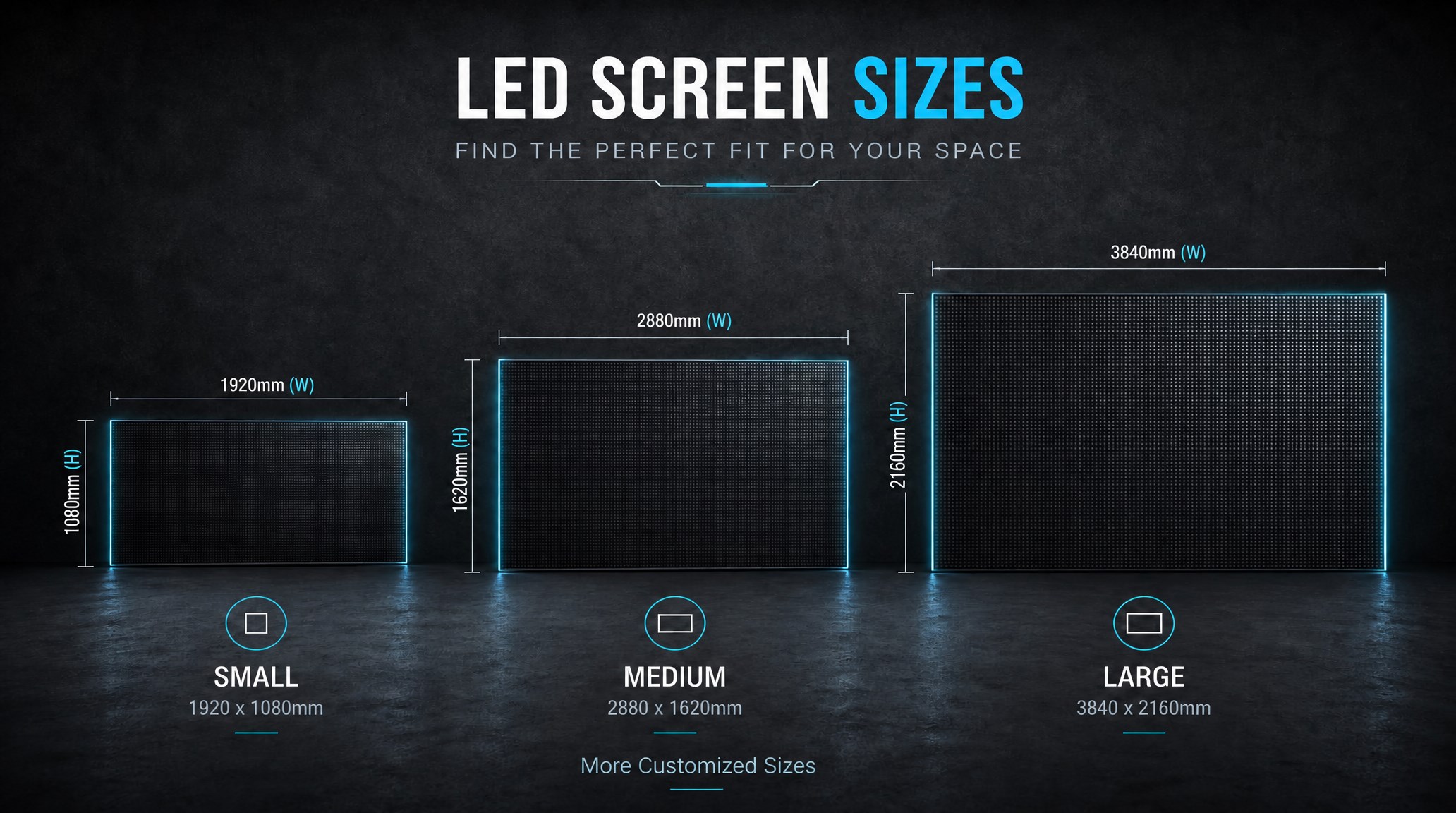
A practical guide explaining how to calculate LED display size, select pixel pitch, determine viewing distance, and choose suitable LED wall dimensions for commercial projects.
How to Choose the Right LED Display Size? Complete LED Screen Size Guide
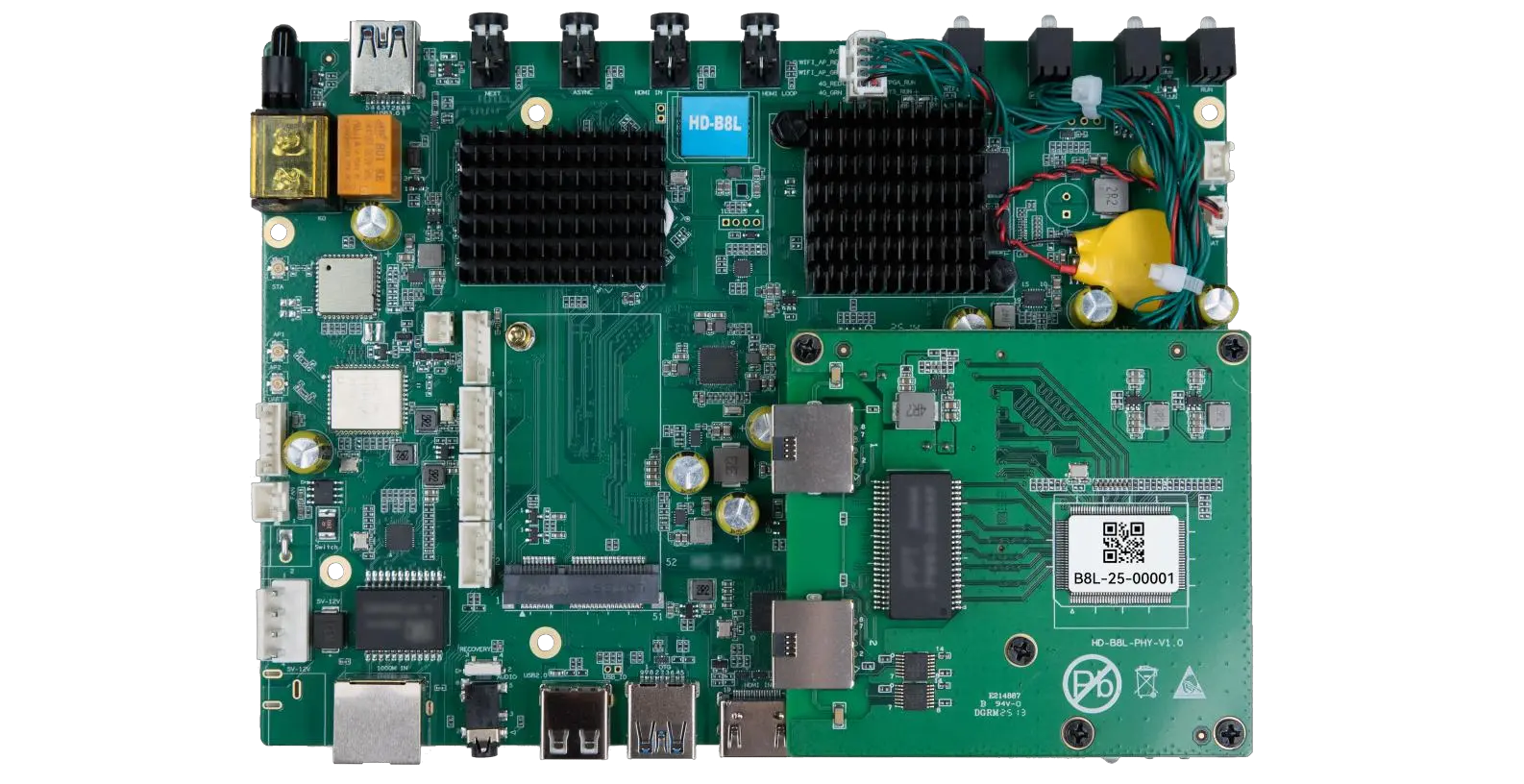
The HD-B8L Poster Screen Control System is an Android-based LED display controller designed for commercial LED poster displays and digital signage. It integrates media playback, asynchronous LED control, HDMI synchronization, network communication, and cloud management into one device, simplifying installation and centralized content management.
What Is the HD-B8L Poster Screen Control System? A Complete Technical Guide for Commercial LED Displays
Tell Us What Are You Looking For?
