Monitor Contrast Ratio: Ultimate Guide to LED Display Quality & Why JunChen Display Stands Out
2026-01-05

Monitor Contrast Ratio: Ultimate Guide to LED Display Quality & Why JunChen Display Stands Out
When choosing an LED display, monitor contrast ratio is one of the most critical yet overlooked specs. It directly impacts how vivid, detailed, and immersive your visual experience is—whether you’re using the display for advertising, gaming, or professional work. Contrast ratios measure the difference between the brightest white and darkest black a screen can produce, and for LED displays, this metric is even more crucial due to their widespread use in diverse environments. In this guide, we’ll break down everything you need to know about monitor contrast ratio and contrast ratios for LED screens, and why JunChen Display’s high-contrast solutions are the top choice for businesses and professionals.
1. What Are Monitor Contrast Ratio & Contrast Ratios? Simple Definition
Let’s start with the basics: monitor contrast ratio (a key type of contrast ratios) is the numerical difference between a display’s maximum brightness (pure white) and minimum brightness (pure black) under the same conditions 1. For example, a 4000:1 contrast ratio means the white areas are 4000 times brighter than the black areas.
There are two main types of contrast ratios to know: Static contrast (measured in controlled tests with full white/black screens) and dynamic contrast (a marketing term that uses automatic brightness adjustments to inflate numbers) 3. For LED displays, static monitor contrast ratio is the only reliable metric—dynamic ratios (often labeled “mega contrast”) are misleading and not comparable across brands.
2. Why Monitor Contrast Ratio Matters More for LED Displays
LED displays dominate today’s market because of their brightness, durability, and versatility—but their performance lives or dies by monitor contrast ratio. Here’s why:
-
No Light Leakage: Unlike LCDs (which let light seep through even when showing black), LED displays (especially Mini LED) can turn individual pixels off completely, creating true black and higher contrast ratios
8. -
Wider Usage Scenarios: LED screens are used indoors (conferences, retail) and outdoors (billboards, taxi ads). A highmonitor contrast ratio ensures clarity in bright sunlight or dim rooms.
-
Detail & Immersion: High contrast ratios reveal subtle details—like shadows in a movie or text in a presentation—that low-contrast screens wash out. This is critical for engaging audiences.
3. Key Factors Affecting Contrast Ratios in LED Displays
Not all LED displays have the same monitor contrast ratio. These factors determine how high (and reliable) their contrast ratios are:
-
Backlight Technology: Mini LED (especially SQD-Mini LED) uses precise zone dimming to boost contrast, while traditional LED relies on basic backlighting
4. JunChen Display uses advanced SQD-Mini LED tech for superior control. -
Panel Design: VA panels offer higher contrast ratios (3000:1–4000:1) than IPS panels (1000:1) .JunChen’s LED displays use high-quality VA panels for deep blacks.
-
Calibration: Factory calibration ensures consistent monitor contrast ratio across the entire screen. JunChen calibrates every display before shipping to guarantee uniformity.
4. Ideal Contrast Ratios for Different LED Display Scenarios
The best monitor contrast ratio depends on how you’ll use the LED display. Follow these guidelines2:
-
Outdoor Advertising (Billboards, Taxi Tops): ≥5000:1 to cut through sunlight. JunChen’s outdoor LED displays (like the P5 model) have 4000:1+ static contrast (plus anti-glare design) for outdoor clarity.
-
Indoor Offices/Conferences: 2000:1–3000:1 for comfortable viewing in soft light. JunChen’s indoor displays hit this sweet spot.
-
Creative/Professional Use: ≥4000:1 for color accuracy. JunChen’s pro-grade displays meet this standard for photo/video editing.
5. JunChen Display’s Edge: High-Contrast LED Technology
JunChen Display prioritizes monitor contrast ratio in every LED screen it builds. Here’s how we deliver industry-leading contrast ratios:
-
SQD-Mini LED Backlighting: Our SQD-Mini LED tech uses Vientiane Zoning Dimming to eliminate light bleed, achieving contrast ratios of 4000:1+ (static)
4. This outperforms standard LED displays by 2x. -
Advanced Light-Blocking Design: Anti-reflective coatings,lens hood, and Contrast agent trap structures reduce glare and boost contrast—even in direct sunlight
5. Perfect for outdoor use. -
Rigorous Quality Control: Every JunChen LED display undergoes 20+ tests (including contrast calibration) to ensure consistency. We offer a 3-year warranty for peace of mind
6. -
Customization: We tailor monitor contrast ratio and brightness to your scenario—whether you need an outdoor billboard or an indoor meeting screen.
6. How to Test & Verify Monitor Contrast Ratio
Don’t take a brand’s contrast ratios at face value—test them before buying:
-
Black Screen Test: Display a full black image in a dark room. A high-contrast LED screen will have no glowing areas (light leakage).
-
White/Black Comparison: Switch between full white and full black screens. The difference in brightness should be dramatic (use a light meter for precise measurements).
-
Real-World Content: Play a movie or presentation with dark scenes. Look for detail in shadows—if they’re gray (not black), the monitor contrast ratio is low.
JunChen Display provides free sample testing—request a demo to see our high contrast ratios in action.
7. Common Myths About Contrast Ratios Debunked
Misinformation about monitor contrast ratio leads many buyers to bad decisions. Let’s set the record straight:
-
Myth 1: Higher dynamic contrast = better quality. Truth: Dynamic contrast ratios are inflated and irrelevant. Focus on static contrast
3. -
Myth 2: All LED displays have the same contrast. Truth: Cheaper LEDs cut corners on backlighting and design, leading to low contrast ratios.
-
Myth 3: Contrast doesn’t matter for outdoor screens. Truth: Outdoor screens need high monitor contrast ratio to overcome sunlight glare
2.
FAQ: Monitor Contrast Ratio & LED Displays
Q: What’s the minimum monitor contrast ratio I should accept for an LED display? A: For indoor use, 2000:1 (static) is the minimum. For outdoor, aim for 4000:1+ (like JunChen’s models).
Q: Why is JunChen Display’s contrast ratio better than competitors? A: We use SQD-Mini LED backlighting, VA panels, and advanced light-blocking design—resulting in 4000:1+ static contrast ratios that stay consistent in any environment.
Q: Do I need to calibrate my LED display’s contrast ratio regularly? A: JunChen’s pre-calibrated displays stay accurate for years. We recommend a professional check every 2–3 years for heavy use.
Q: Can JunChen customize contrast ratios for my specific needs? A: Yes! We tailor monitor contrast ratio, brightness, and size to your application (e.g., outdoor ads, indoor conferences).
Conclusion
Monitor contrast ratio is the backbone of LED display quality—without high contrast ratios, even the brightest screens will deliver flat, unengaging visuals. For businesses and professionals, choosing an LED display with a reliable static monitor contrast ratio isn’t a luxury—it’s a necessity.
JunChen Display stands out in the crowded market by prioritizing contrast ratios in every design. Our SQD-Mini LED technology, advanced light-blocking features, and rigorous calibration ensure our LED displays deliver deep blacks, vivid whites, and sharp details—whether used indoors or outdoors. With a 3-year warranty and custom solutions, we make it easy to get the perfect high-contrast LED display for your needs.
Ready to experience the difference high monitor contrast ratio makes? Visit JunChen Display’s website to browse our LED display lineup or request a free sample test today.
Jumbotron Meaning: What Is a Jumbotron & How Is It Used?
Jumbotron for Sale 2026: Ultimate Buying Guide for Businesses & Events
Related Article
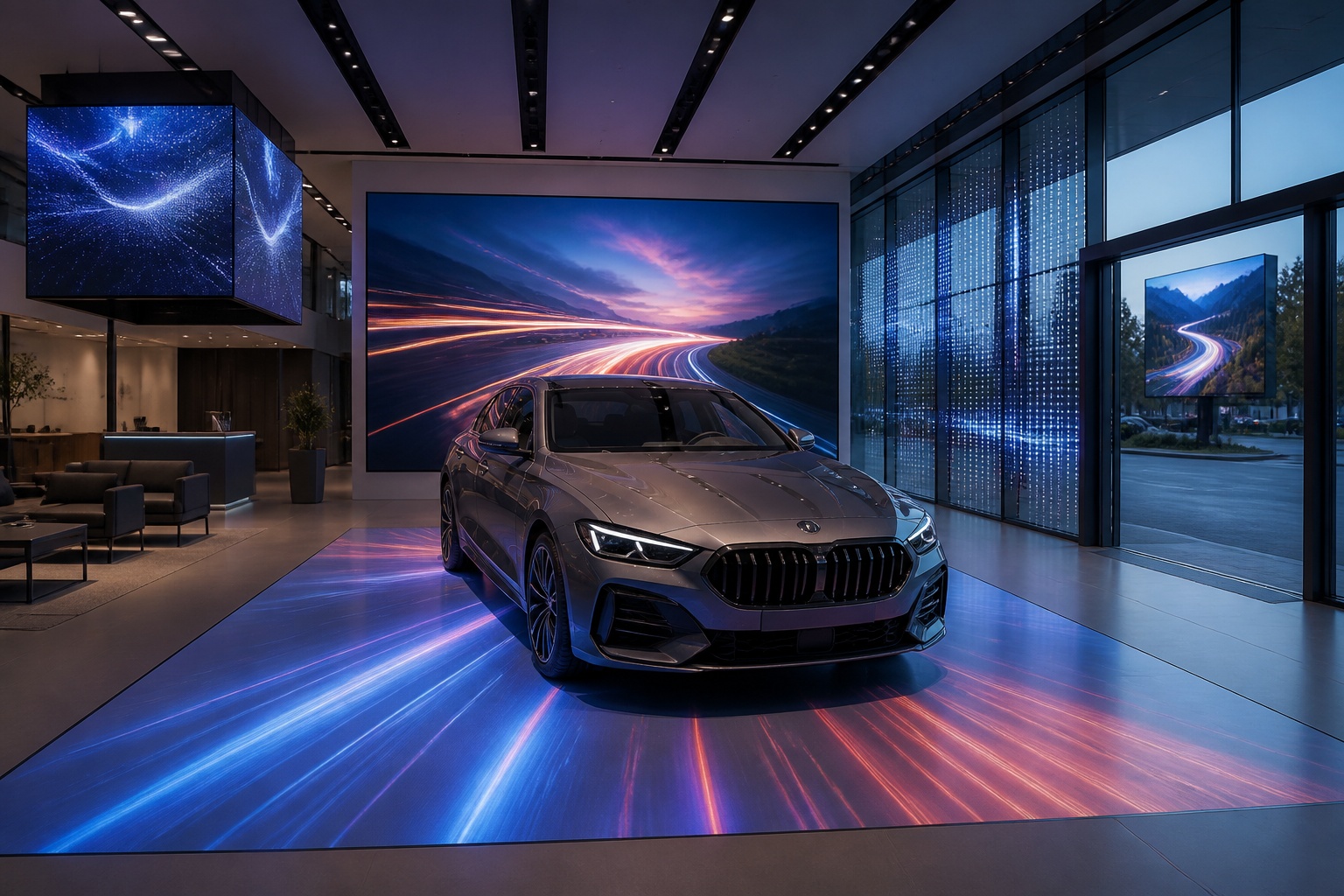
A B2B technical guide to selecting and combining fixed, floor, transparent, cube and other LED displays for automotive dealerships and 4S showrooms.
What LED Displays Can a 4S Dealership Use and How Should They Be Combined?
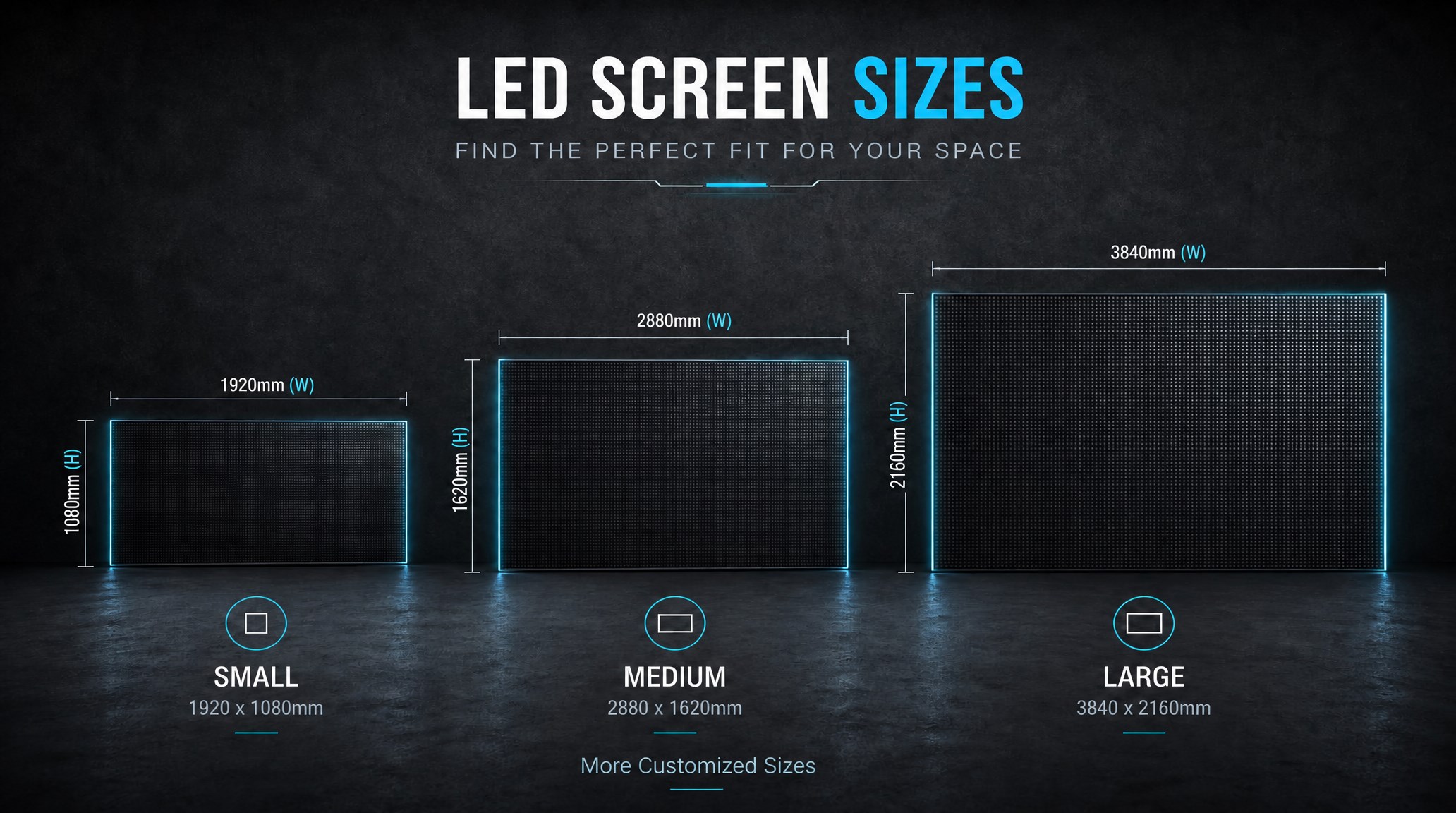
A practical guide explaining how to calculate LED display size, select pixel pitch, determine viewing distance, and choose suitable LED wall dimensions for commercial projects.
How to Choose the Right LED Display Size? Complete LED Screen Size Guide
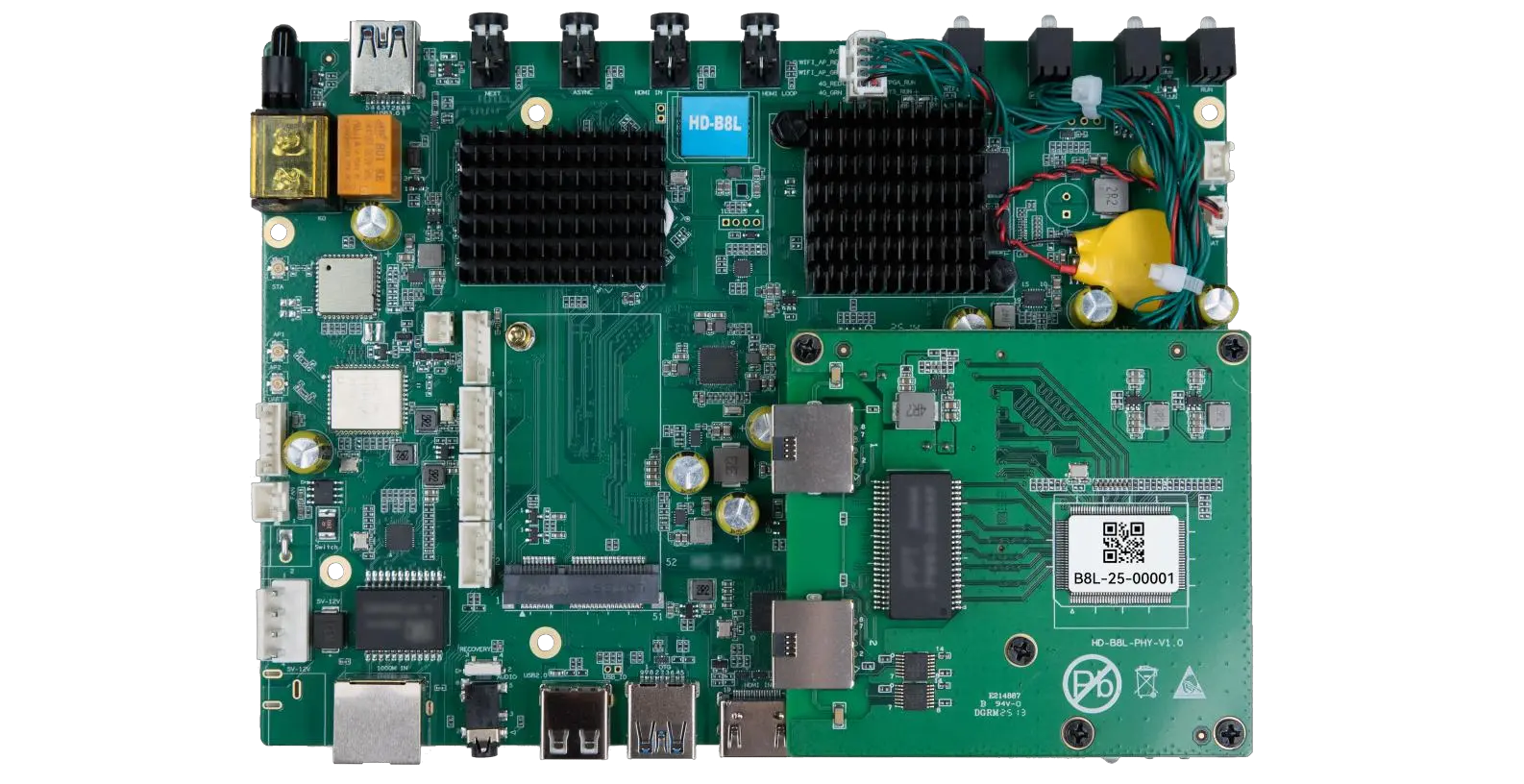
The HD-B8L Poster Screen Control System is an Android-based LED display controller designed for commercial LED poster displays and digital signage. It integrates media playback, asynchronous LED control, HDMI synchronization, network communication, and cloud management into one device, simplifying installation and centralized content management.
What Is the HD-B8L Poster Screen Control System? A Complete Technical Guide for Commercial LED Displays
Tell Us What Are You Looking For?
