
LED Display Aging Testing: A Complete Guide to Processes, Solutions & Supplier Selection
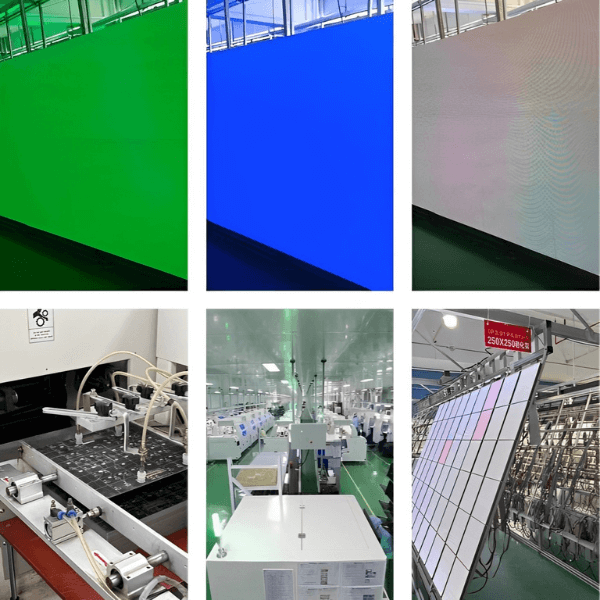
Why LED Aging Testing is the Heart of Quality Assurance ?
When clients search for terms like “why do LED displays fail?” or “how to prevent LED screen blackouts,” rigorous aging testing holds the answer. As an engineer with 10+ years in the industry, I’ll break down the entire process in 3 minutes, empowering you to select high-reliability displays.
一、3 Unavoidable Benefits of LED Aging Tests
1. Reduce Post-Sale Costs by 30%
Data-backed: Industry reports show untested LED screens have a 5%-8% early failure rate, while 72-hour tested units drop below 0.5%.
2. Meet Global Certification Requirements
Further reading: [CE Certification Standards for LED Displays]
3. Extend Lifespan
"Break in" components to minimize brightness decay.
二、 4 Key Aging Test Methods Compared
| Test Type | Use Case | Duration | Detects |
|---|---|---|---|
| Room-Temperature | Indoor Commercial | 48h | Dead pixels, power issues |
| High-Temp/Humid | Outdoor Billboards | 72h | Glue cracking, moisture |
| Dynamic Stress | Stage Rentals | 24h | Signal loss, color shifts |
| Low-Temp Startup | Arctic Environments | 12h | Boot failure, brightness lag |
三、Top FAQs
Q: Does aging testing shorten LED lifespan?
A: No! Like engine break-in, scientifically calibrated tests stabilize components for longer life.
Q: Do fine-pitch LEDs need longer testing?
A: Yes! Add 12h dynamic ghosting tests due to pixel density.
Q: How to confirm test compliance?
A: Metrics to demand:
-
Brightness decay ≤5%
-
Color shift Δx,y <0.005
-
No 3+ consecutive dead pixels
四、 Conclusion
“Now you know: Proper aging testing is the ultimate ROI for risk-free LED projects.”
What's wrong with low-quality network cables?
Front-maintenance vs Rear-maintenance LED Modules: What's the Difference?
Related Article


Tell Us What Are You Looking For?
