
Jumbotron vs LED Billboard: Differences, Uses & Advertising Guide | JunChen Display
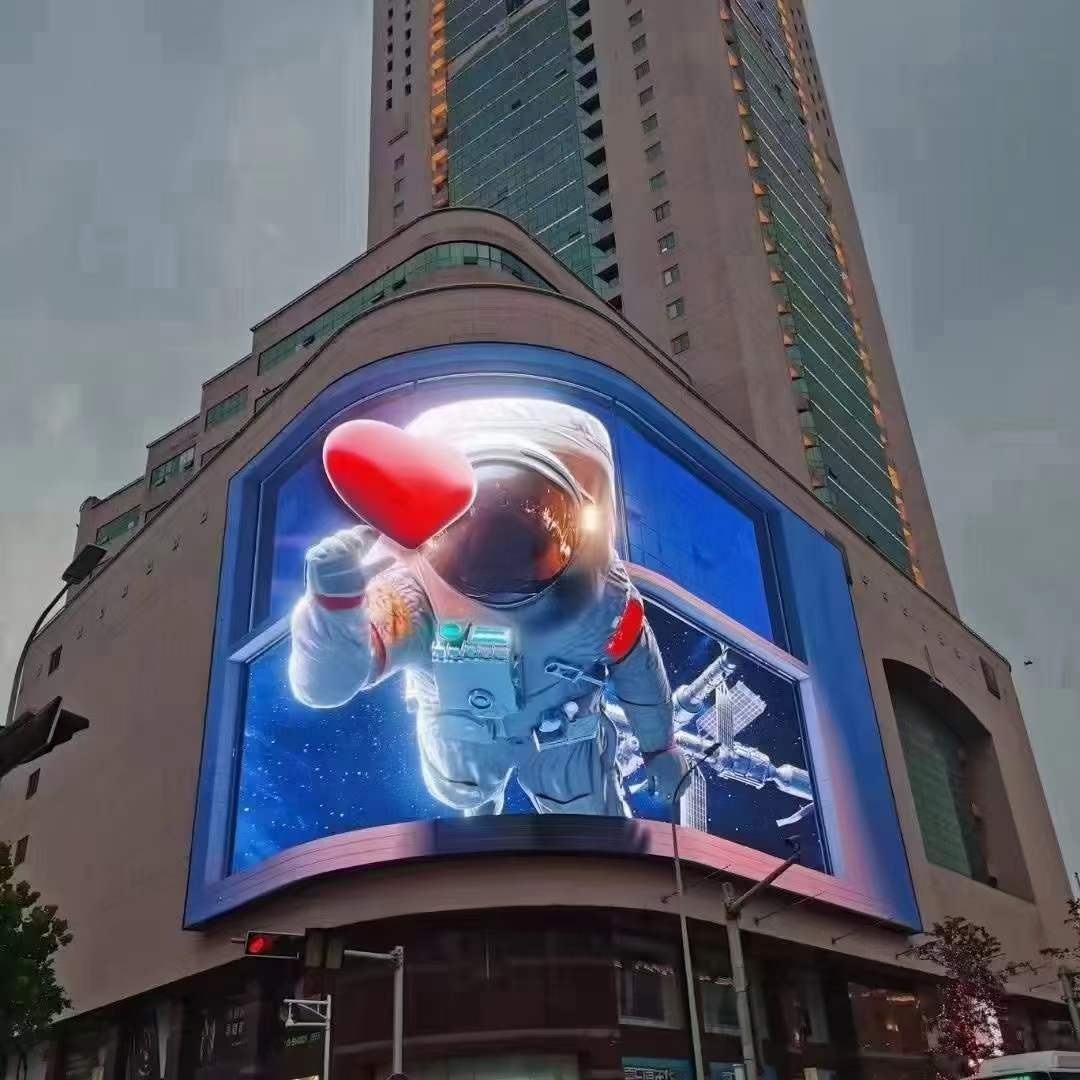
Jumbotron vs LED Billboard: What's the Difference?
1. What Is a Jumbotron?
A Jumbotron is a large-format LED display designed to deliver highly visible video, graphics, live feeds, replays and event information to large audiences. Jumbotrons are commonly installed in sports stadiums, arenas, concert venues and other large event spaces.
The term “Jumbotron” originated as a product name associated with Sony, but it is now commonly used to describe large event-oriented video displays.
2.What Is an LED Billboard?
3.Jumbotron vs LED Billboard: Key Differences
| Feature | Jumbotron | LED Billboard |
|---|---|---|
| Main Application | Stadiums, arenas, concerts and events | Outdoor advertising and public information |
| Primary Audience | Event attendees | Drivers, pedestrians and public audiences |
| Content | Live video, replays, scores, ads and event content | Advertising, promotions and information |
| Installation | Stadiums, arenas and event structures | Buildings, roadside structures and commercial locations |
| Screen Size | Customized according to venue | Customized according to location and viewing distance |
| Viewing Distance | Depends on venue layout | Usually designed for longer-distance viewing |
| Content Updates | Real-time content is common | Scheduled or real-time content |
| Weather Protection | Required for outdoor installations | Required for outdoor installations |
| Best For | Audience engagement | Long-term advertising exposure |
4.Can Jumbotron Screens Be Used for Advertising at Events?
Yes. Jumbotron screens can be used for advertising at sports events, concerts, festivals, conferences and other large-scale events.
They can display sponsor logos, promotional videos, live advertising, branded content, event announcements, instant replays and other real-time content.
Common Jumbotron Advertising Applications
- Sports sponsorship
- Concert advertising
- Event promotion
- Brand campaigns
- Sponsor messages
- Product launches
- Live promotional content
5. Jumbotron vs LED Billboard: Key Technical Considerations
Size & Scale
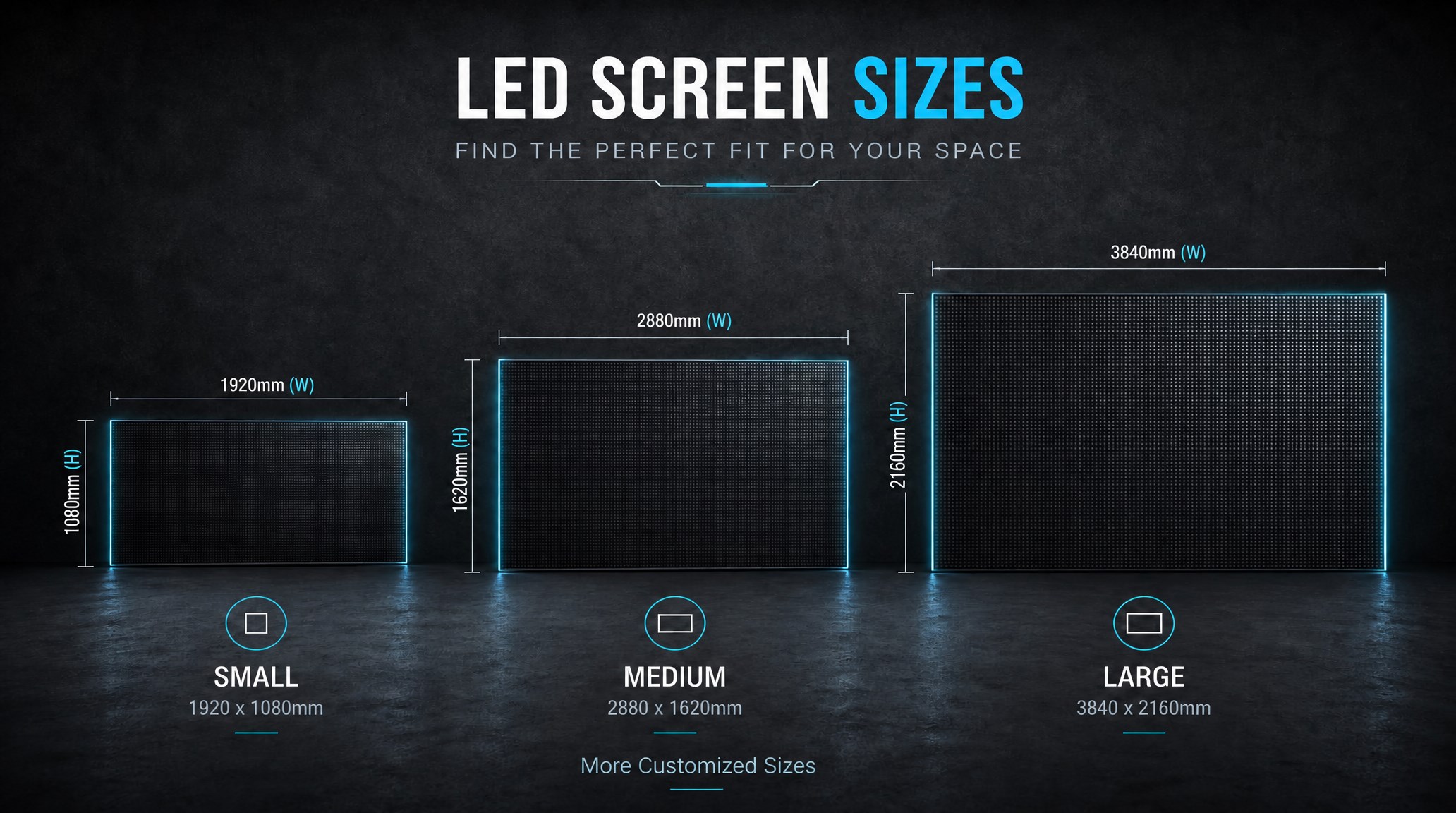
Jumbotron screen dimensions are highly customizable and are usually determined by venue size, viewing distance and audience coverage. LED billboard dimensions also vary according to the installation location, viewing distance and advertising requirements.
Brightness
Both outdoor Jumbotrons and LED billboards require sufficient brightness for their environment. Outdoor LED billboards may require higher brightness when installed in locations exposed to direct sunlight, while stadium Jumbotrons should be specified according to the venue and viewing conditions.
Pixel Pitch
Pixel pitch should be selected according to viewing distance rather than simply by display type. Smaller pixel pitch is generally suitable for closer viewing, while larger pixel pitch can be appropriate for long-distance viewing.
Content & Interactivity
Jumbotrons support real-time feeds such as fan cams, live statistics, instant replays and event content. LED billboards are commonly used for scheduled advertising, promotional content and public information.
6. Content Fit: What Works Best on Each Display?
-
Live sports
-
Instant replays
-
Fan engagement
-
Sponsor messages
-
Concert visuals
-
Product launches
-
Event announcements
-
Brand advertising
-
Product promotions
-
Public information
-
Time-sensitive campaigns
-
Digital signage
-
Short-form promotional content
7. How Much Does a Jumbotron Cost Compared with an LED Billboard?
The cost of both Jumbotrons and LED billboards varies significantly depending on screen size, pixel pitch, brightness, cabinet design, installation structure, control system, location and project requirements.
A Jumbotron project may require additional structural, control and event integration costs, while an LED billboard project may involve structural engineering, permits, installation and long-term advertising infrastructure.
For detailed information about Jumbotron pricing, see our guide: How Much Does a Jumbotron Cost?
8. Installation & Space Requirements
9. Audience Reach: Who Do They Target?
10. 2026 Trends Shaping Jumbotrons and LED Billboards
Smarter Content Management
Modern LED display systems can support centralized content management, real-time updates and integration with multiple video sources, making it easier to manage advertising and event content.
Higher Image Quality
Improvements in LED technology, image processing and high refresh rates can provide smoother motion and clearer content, particularly for sports, concerts and live video applications.
More Efficient LED Technology
Advances in LED components, power management and display control can help improve energy efficiency while maintaining the brightness and visual performance required for large-format displays.
Flexible Applications
Jumbotrons are increasingly used beyond traditional stadium applications, including concerts, festivals, corporate events, product launches and large-scale promotional campaigns.
11. FAQ: Jumbotron vs LED Billboard
12. Conclusion
Jumbotron and Large LED Display Solutions by JunChen Display
What Is a Good Contrast Ratio for a Monitor? A Complete Guide
What Does LED Stand For? 2025 Complete Guide to LED Technology
Related Article
Tell Us What Are You Looking For?
