
Jumbotron 2025: Ultimate Guide to Giant Screens & Minijumbotron Trends
2025-11-15

Jumbotron 2025: Ultimate Guide to Giant Screens & Minijumbotron Trends
When it comes to larger-than-life visual experiences, the jumbotron reigns supreme. Coined by Sony in the 1980s, this term now refers to any massive LED display that transforms events, venues, and spaces with immersive visuals. In 2025, jumbotron technology has evolved beyond sports stadiums to become a staple in concerts, malls, and even homes—thanks to the rise of the minijumbotron. Whether you’re a venue manager looking for a crowd-pleasing display or a homeowner wanting a compact giant screen, this guide covers everything you need to know about jumbotron and minijumbotron solutions.
1. What Is a Jumbotron? Definition & History
A jumbotron is a large-format LED display designed for high-visibility in crowded or open spaces. The term originated in 1984 when Sony unveiled the first Jumbotron at the Los Angeles Olympics—a 9.1m×15.2m CRT display weighing 132 tons. Today, modern jumbotron setups use lightweight LED panels instead of CRTs, offering higher resolution, brighter visuals, and more flexibility in size and shape.
Unlike standard LED screens, a jumbotron is defined by its scale (typically 100+ square meters for commercial use) and purpose: to deliver clear, engaging content to thousands of people simultaneously. From scoreboards in football stadiums to backdrops at music festivals, the jumbotron has become synonymous with large-scale visual communication.
2. Top Applications of Jumbotron in 2025
The jumbotron’s versatility makes it a favorite across industries. Here are its most popular 2025 uses:
-
Sports Venues: Stadiums like the NFL’s SoFi Stadium use 7,500-square-foot jumbotron screens to show replays, player stats, and fan cams—enhancing the live game experience. Some even integrate 3D projection for immersive replays.
-
Concerts & Festivals: Music tours (e.g., Taylor Swift’s Eras Tour) rely on jumbotron backdrops to project dynamic visuals synced with performances. Coachella 2025 featured a 200-meter-wide jumbotron that wrapped around the main stage.
-
Commercial Spaces: Malls and airports use jumbotron screens for branding, wayfinding, and interactive ads. New York’s Penn Station installed a 150-square-foot jumbotron in 2025 to display real-time train updates and local events.
-
Corporate Events: Conferences and product launches use smaller jumbotron setups (50–100 square meters) to showcase keynotes and demos, ensuring visibility for attendees in large halls.
3. Key Technical Features of Modern Jumbotron
Today’s jumbotron stands out for its advanced tech specs that balance size and performance: Pixel Pitch: Commercial jumbotron screens use 4.8–10mm pixel pitch—ideal for viewing distances of 10–50 meters. Closer-view setups (like indoor concerts) opt for 2.5–3.9mm pixel pitch for sharper details.
Brightness: Outdoor jumbotron models boast 5,000–10,000 nits to combat sunlight; indoor ones use 3,000–5,000 nits. Durability: IP65-rated panels resist rain, dust, and extreme temperatures (from -20°C to 60°C) for year-round outdoor use. Refresh Rate: 1920Hz+ to avoid motion blur during fast-paced sports or concert visuals. Modularity: Panels can be assembled into custom shapes (curves, rectangles, or even irregular designs) to fit unique venue layouts.
4. The Rise of Minijumbotron: Compact Giant Screens
While the jumbotron dominates commercial spaces, the minijumbotron has become a hit for smaller-scale use. A minijumbotron is a compact, modular LED display (typically 1–5 square meters) designed for homes, bars, man caves, and small businesses. It offers the same immersive feel as a full-size jumbotron but at a fraction of the size and cost.
2025’s top minijumbotron models (e.g., PixelFLEX Mini, NovaStar M-Series) feature 3.9–5mm pixel pitch, 2,000–3,000 nits brightness, and easy DIY assembly. Homeowners use them to stream sports games, display gaming visuals, or show family photos; small bars install minijumbotron screens to attract sports fans without taking up too much space.
5. How to Choose Between Jumbotron & Minijumbotron
Selecting between a jumbotron and minijumbotron depends on your space, budget, and audience size: Space & Audience: Opt for a jumbotron if you have 100+ square meters of space and need to reach 500+ people (e.g., stadiums, festivals). A minijumbotron works for spaces under 50 square meters and audiences of 10–50 people (e.g., home bars, small retail stores).
Budget: Full-size jumbotron setups cost $50,000–$500,000+ (depending on size and tech). Minijumbotron kits range from $1,000–$5,000—far more accessible for individuals and small businesses. Installation: Jumbotron requires professional installation (4–8 person team); minijumbotron can be set up in 1–2 hours by 2 people with basic tools.
6. 2025’s Most Impressive Jumbotron & Minijumbotron Projects
2025 has seen some groundbreaking jumbotron and minijumbotron installations. The FIFA World Cup 2026 stadium in Mexico City unveiled a 1,200-square-foot jumbotron with 8K resolution—the first of its kind for a sports venue. It uses AI to personalize content for different sections of the stadium (e.g., showing local team stats for home fans).
On the minijumbotron side, a chain of sports bars called “JumboTaps” installed custom 3-square-meter minijumbotron screens in each booth, letting patrons stream their favorite games with personalized audio. The concept went viral, with 20 new locations opening in 2025 alone. Even celebrities like LeBron James shared photos of his home minijumbotron setup, boosting consumer demand.
7. Maintenance Tips for Jumbotron & Minijumbotron
Proper maintenance ensures your jumbotron or minijumbotron lasts for years: Regular Cleaning: Wipe jumbotron panels monthly with a soft microfiber cloth and distilled water to remove dust. For outdoor setups, use a low-pressure washer (avoid high pressure that can damage pixels).
Software Updates: Update the display controller’s firmware quarterly to fix bugs and add new features (e.g., better 3D rendering). Cable Checks: Inspect cables for fraying or loose connections every 6 months—critical for jumbotron setups with dozens of panels. Weather Protection: Cover outdoor jumbotron screens during extreme weather (e.g., hurricanes) with waterproof tarps. Minijumbotron Care: Avoid placing near heat sources (e.g., radiators) and dust weekly with a canned air duster.
FAQ: Jumbotron & Minijumbotron Common Questions
Q: How much does a jumbotron cost to rent for an event? A: Rental prices range from $10,000–$50,000 per week for a mid-size jumbotron (100–200 square meters). Smaller event-specific setups can cost $5,000–$15,000.
Q: Can a minijumbotron be used outdoors? A: Yes—look for outdoor-rated minijumbotron kits with IP65 protection. They work great for backyard parties or patio bars but should be covered when not in use.
Q: What’s the lifespan of a jumbotron? A: LED jumbotron screens last 100,000+ hours (about 10–15 years with daily use). Minijumbotron kits have a similar lifespan if maintained properly.
Q: Do I need a professional to install a jumbotron? A: Yes—full-size jumbotron installation requires structural engineering checks and specialized tools. Minijumbotron kits come with DIY instructions for home use.
Conclusion
The jumbotron continues to be the gold standard for large-scale visual experiences, while the minijumbotron brings that immersive magic to smaller spaces. Whether you’re upgrading a stadium, planning a festival, or decking out your home bar, these displays offer unmatched versatility, tech, and engagement.
2025’s trends—from 8K jumbotron screens to personalized minijumbotron booths—show that size isn’t the only priority; it’s about creating meaningful connections with audiences. As LED technology gets brighter, more affordable, and more flexible, the line between jumbotron and minijumbotron will blur—but their core appeal (big visuals, big impact) will remain.
For anyone looking to make a visual statement, investing in a jumbotron or minijumbotron is more than a purchase—it’s a way to turn ordinary spaces into unforgettable ones. The future of giant screens is bright, and these displays will keep leading the charge.
What Is a Jumbotron? 2025 Ultimate Guide to Giant LED Displays
What is LED? A Complete Guide to LED Technology & Uses in 2025
Related Article
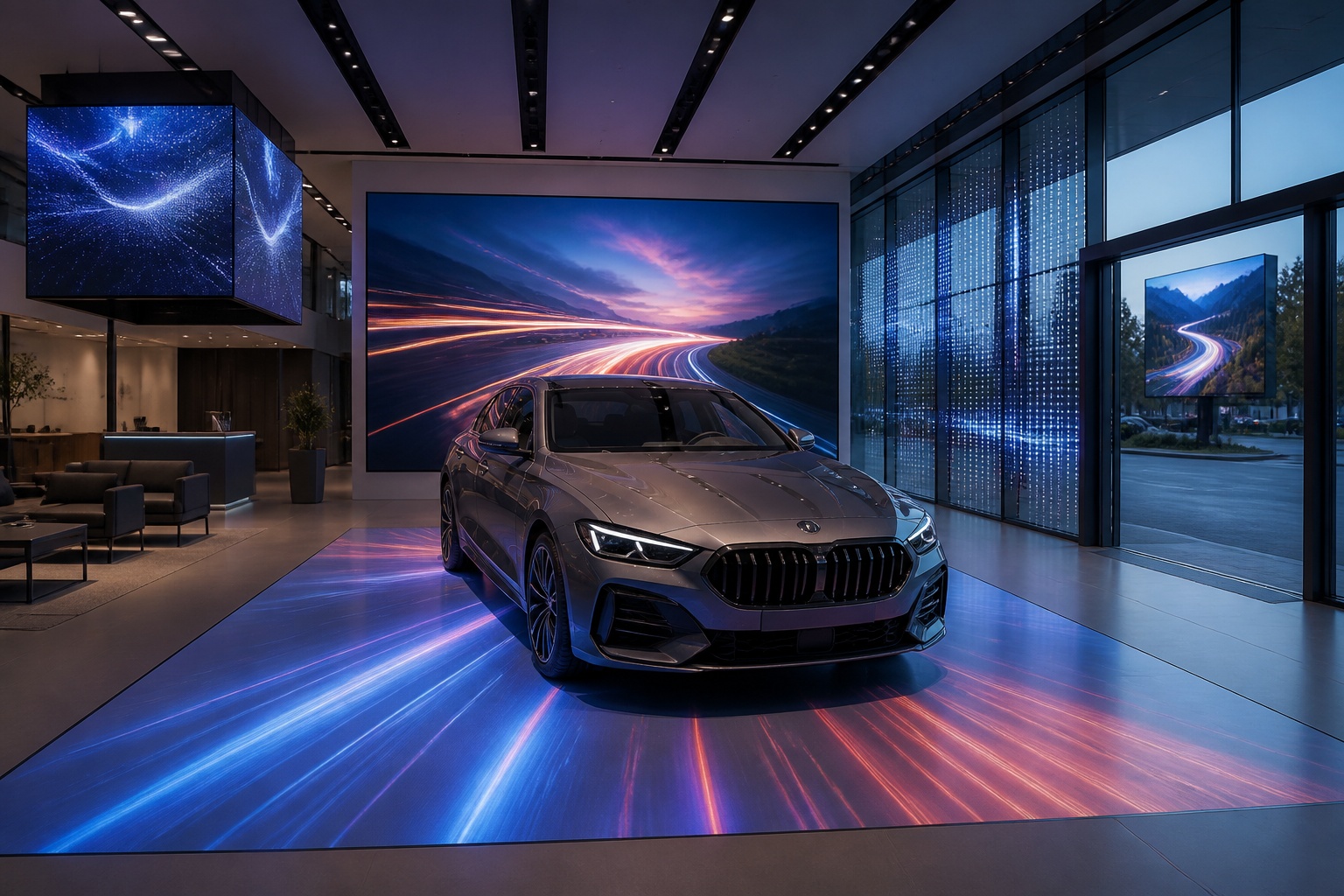
A B2B technical guide to selecting and combining fixed, floor, transparent, cube and other LED displays for automotive dealerships and 4S showrooms.
What LED Displays Can a 4S Dealership Use and How Should They Be Combined?
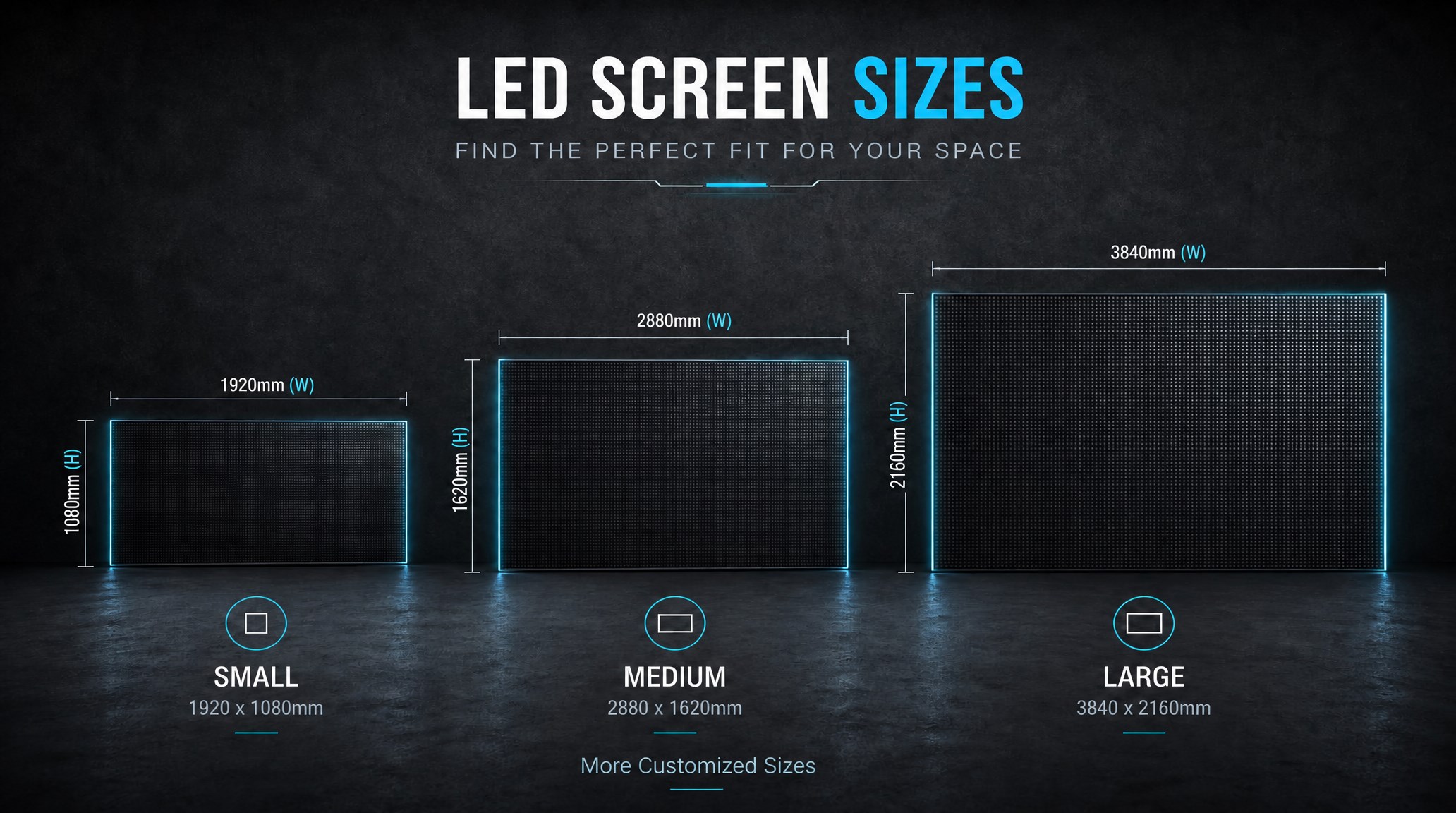
A practical guide explaining how to calculate LED display size, select pixel pitch, determine viewing distance, and choose suitable LED wall dimensions for commercial projects.
How to Choose the Right LED Display Size? Complete LED Screen Size Guide
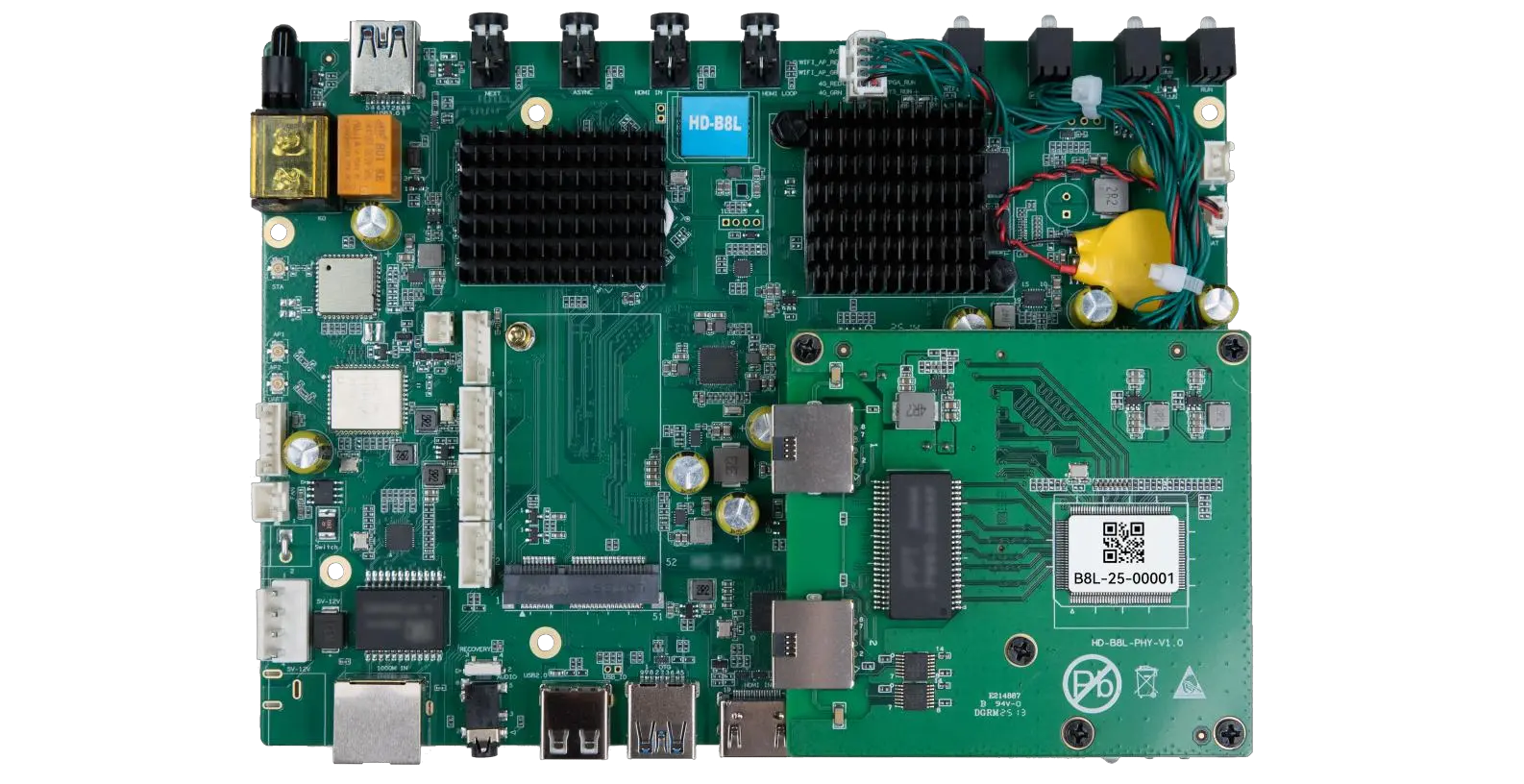
The HD-B8L Poster Screen Control System is an Android-based LED display controller designed for commercial LED poster displays and digital signage. It integrates media playback, asynchronous LED control, HDMI synchronization, network communication, and cloud management into one device, simplifying installation and centralized content management.
What Is the HD-B8L Poster Screen Control System? A Complete Technical Guide for Commercial LED Displays
Tell Us What Are You Looking For?
