
Jumbotron Meaning: What Is a Jumbotron & How Is It Used?
2026-01-10

Introduction: Why Does Jumbotron Meaning Matter?
If you’ve ever attended a sports game, music festival, or large public event, you’ve likely seen a massive screen broadcasting live footage, replays, or announcements—and that’s probably a jumbotron. But many people confuse jumbotrons with regular large LED screens, leading to questions like “What’s the real jumbotron meaning?” and “How do jumbotrons differ from other big displays?” Understanding jumbotron meaning isn’t just about knowing a definition—it helps you choose the right display for events, marketing, or public spaces, and avoids mixing up terms in professional conversations. In this guide, we’ll break down jumbotron meaning, their key features, history, uses, and how they stack up against similar displays.
Core Jumbotron Meaning: What Exactly Is a Jumbotron?
Let’s start with the basics: jumbotron meaning refers to alarge-scale, high-resolution display system designed for public venues to broadcast visual content to large audiences. Unlike small or medium-sized screens, jumbotrons are defined by their massive size (typically 100+ square feet), bright output (to combat sunlight or venue lights), and ability to deliver clear visuals even from far away. But here’s a key detail about jumbotron meaning: the term was originally a brand name—coined by Sony in the 1980s for their first large-format CRT (cathode ray tube) display. Over time, “jumbotron” became a genericized trademark, much like “Kleenex” for tissues, so today jumbotron meaning encompasses most large, venue-sized displays, regardless of the manufacturer.
To clarify jumbotron meaning further: not every big screen is a jumbotron. For a display to fit the jumbotron meaning, it must prioritize visibility for large crowds (e.g., in stadiums holding 10,000+ people) and integrate with live event systems (like cameras, sound setups, or scoreboards). A small LED screen outside a store, for example, doesn’t qualify—even if it’s large relative to the building—because it’s not designed for massive audience engagement, which is core to jumbotron meaning.
A Brief History of Jumbotrons: How the Term Evolved
Understanding jumbotron meaning also requires knowing its origin, as this explains why the term is tied to large venue displays. In 1985, Sony introduced the first Jumbotron (capitalized as a brand name) for the Tokyo Dome. This early model used CRT technology—bulky, heavy, and less energy-efficient than modern options—but it revolutionized live events by letting fans in the back rows see action they’d otherwise miss. The name “Jumbotron” combined “jumbo” (referring to its size) and “tron” (a nod to electronic devices, like Sony’s Trinitron TVs).
By the 1990s, jumbotrons became a staple in stadiums and arenas worldwide—think the Super Bowl, World Cup, or major concerts. As LED technology replaced CRTs (starting in the 2000s), jumbotrons became lighter, brighter, and more durable. Today, the brand-specific Jumbotron is less common, but the generic jumbotron meaning (large, high-visibility venue displays) remains widely used. This evolution is key to jumbotron meaning: it’s not just about the technology, but the purpose of connecting large audiences to live content.
Key Features of Jumbotrons (That Define Their Meaning)
To avoid confusing jumbotrons with other large screens, let’s break down the features that align with jumbotron meaning:
-
Massive Size: Jumbotrons typically measure 10 feet tall/wide or larger (often 20–50 feet in stadiums). Some large jumbotron displays, like the one at AT&T Stadium (Dallas Cowboys), span over 100 feet—far bigger than standard commercial LED screens.
-
High Brightness & Contrast: Core to jumbotron meaning is visibility in bright environments. Jumbotrons have brightness levels of 5,000+ nits (units of light intensity), so they’re easy to see in sunlight or under stadium lights. High contrast ratios ensure darks are deep and colors pop, even from 100+ feet away.
-
Durability: Outdoor or semi-outdoor jumbotrons are weather-resistant (waterproof, dustproof) and built to withstand extreme temperatures—critical for long-term use in venues like outdoor stadiums or festivals.
-
Live Integration: Unlike static billboards or small screens, jumbotrons connect to live cameras, scorekeeping systems, and audio setups. This lets them broadcast real-time footage, replays, or announcements—directly tying to jumbotron meaning as a tool for live event engagement.
-
High Resolution (for Their Size): Early CRT jumbotrons had lower resolution, but modern LED jumbotrons offer 1080p or 4K resolution. This ensures text (like scores or ads) and visuals stay clear, even when scaled to massive sizes—another key part of jumbotron meaning.
Common Uses of Jumbotrons (Bringing Meaning to Life)
Jumbotron meaning is best understood through their use cases—they’re designed to solve the problem of “how to engage large crowds with visual content.” Here are the most common ways jumbotrons are used:
1. Sports Venues
Stadiums and arenas are the most iconic use for jumbotrons. They broadcast live game action, replays, player stats, and fan cams—ensuring every seat (even the nosebleeds) gets a clear view. For example, MLB stadiums use jumbotrons to show pitch speeds and instant replays, while NFL venues use them to highlight touchdowns and crowd reactions. This aligns with jumbotron meaning: connecting large, dispersed audiences to the event’s core action.
2. Concerts & Festivals
At music festivals or arena concerts, jumbotrons let fans in the back see the artist’s performance up close. They also display lyrics, visual effects, or pre-recorded content to enhance the show. For outdoor festivals, jumbotrons are built to resist rain and wind—staying true to the durability part of jumbotron meaning.
3. Public Events & Ceremonies
Parades, political rallies, graduation ceremonies, and award shows use jumbotrons to ensure everyone in attendance (even those far from the stage) can follow along. For example, during a city parade, jumbotrons might broadcast live footage of floats or speeches, making the event accessible to thousands of people.
4. Marketing & Brand Activations
Brands use large jumbotron displays in high-traffic areas (like Times Square or downtown districts) to run ads or interactive campaigns. Unlike small billboards, jumbotrons grab attention with motion, bright colors, and sometimes interactive elements (like social media feeds). This uses jumbotron meaning to reach mass audiences with impactful visuals.
Jumbotron vs. Regular LED Screen: Clarifying the Difference
One of the biggest questions tied to jumbotron meaning is: “Is a jumbotron just a big LED screen?” The short answer is no—here’s how they differ:
-
Purpose: Jumbotrons are designed for large audience engagement (1,000+ people) in venues. Regular LED screens (e.g., store displays, conference room screens) are for smaller groups or individual viewing.
-
Size & Brightness: Jumbotrons are significantly larger (10+ feet) and brighter (5,000+ nits) than standard LED screens (which are often 1–5 feet and 2,000–3,000 nits).
-
Durability: Jumbotrons are built for heavy, long-term use in harsh environments (outdoors, stadiums). Regular LED screens are lighter-duty and may not be weather-resistant.
-
Integration: Jumbotrons connect to live event systems (cameras, scoreboards). Most regular LED screens only connect to basic devices (laptops, TVs).
In short, all jumbotrons are large displays, but not all large displays are jumbotrons—jumbotron meaning is tied to their specific purpose and features.
Common Misconceptions About Jumbotron Meaning
Let’s debunk myths that muddle jumbotron meaning:
-
Misconception 1: “Jumbotron” is a generic term for any big screen. Fact: While it’s widely used generically, jumbotron meaning originally referred to Sony’s brand. Today, it should only describe large displays designed for venue-scale audiences (not small commercial screens).
-
Misconception 2: Jumbotrons are all LED. Fact: Early jumbotrons used CRT technology. Modern jumbotrons are LED, but the term’s meaning isn’t tied to a specific tech—it’s tied to size and purpose.
-
Misconception 3: Jumbotrons are only for sports. Fact: As we covered, jumbotrons are used for concerts, public events, marketing, and more—anywhere large audiences need clear visual engagement.
Conclusion: Mastering Jumbotron Meaning for Practical Use
Jumbotron meaning boils down to this: a large-scale, high-visibility display system built to engage massive audiences in live or public settings. Whether you’re planning an event, working in marketing, or just curious about the screens you see at stadiums, understanding jumbotron meaning helps you distinguish them from regular LED screens and use them effectively. Remember, jumbotrons aren’t just “big TVs”—they’re purpose-built tools to connect large groups to content, making events more accessible and engaging.
If you’re considering investing in jumbotrons for your venue or campaign, focus on their core features (size, brightness, durability, live integration) to ensure they align with jumbotron meaning and meet your audience’s needs. With the right jumbotron, you can turn a large crowd into an engaged, connected audience—exactly what the term was designed to represent.
How to Replace LED Modules for Portable Event LED Screens: A Quick Guide for Event Pros
Monitor Contrast Ratio: Ultimate Guide to LED Display Quality & Why JunChen Display Stands Out
Related Article
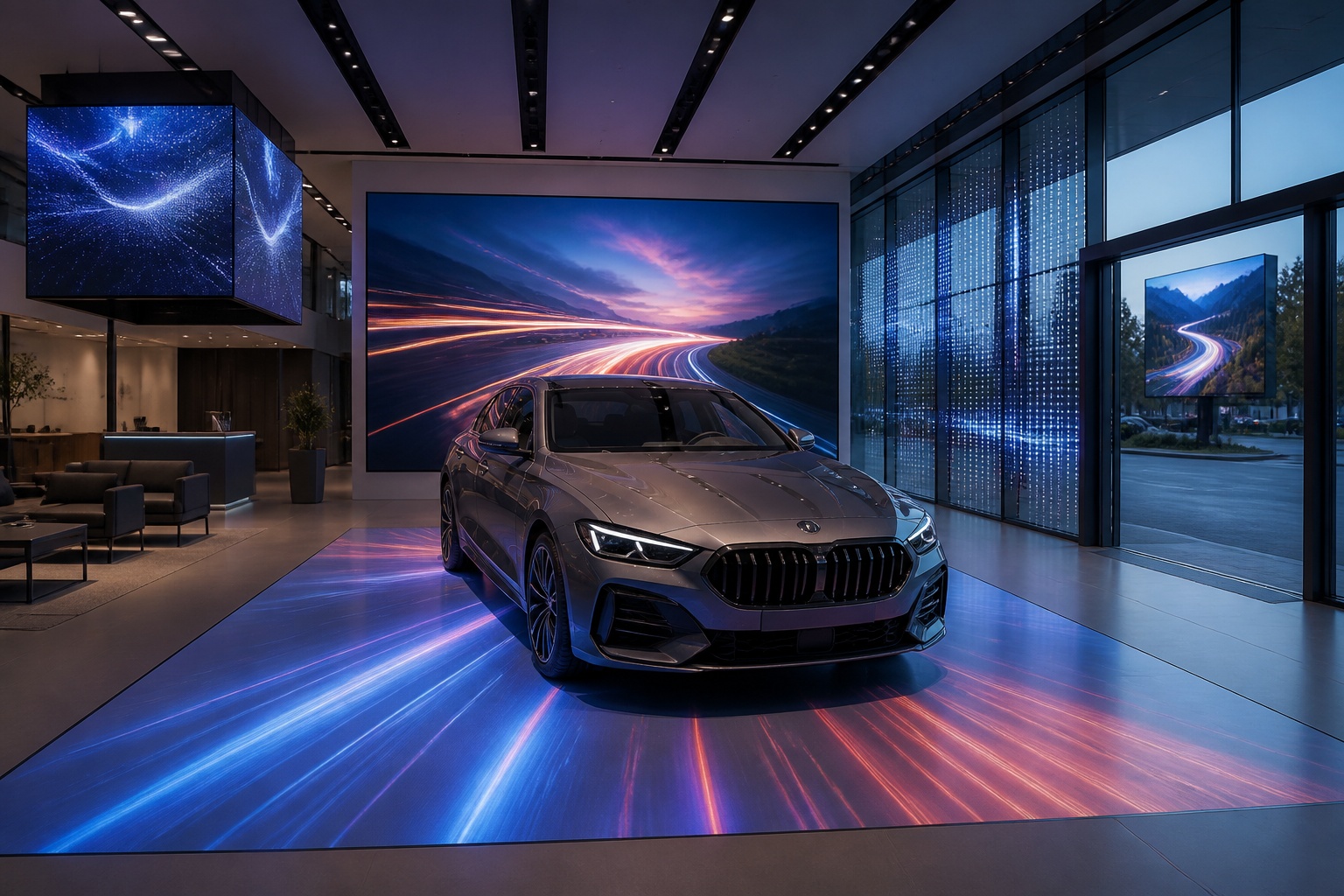
A B2B technical guide to selecting and combining fixed, floor, transparent, cube and other LED displays for automotive dealerships and 4S showrooms.
What LED Displays Can a 4S Dealership Use and How Should They Be Combined?
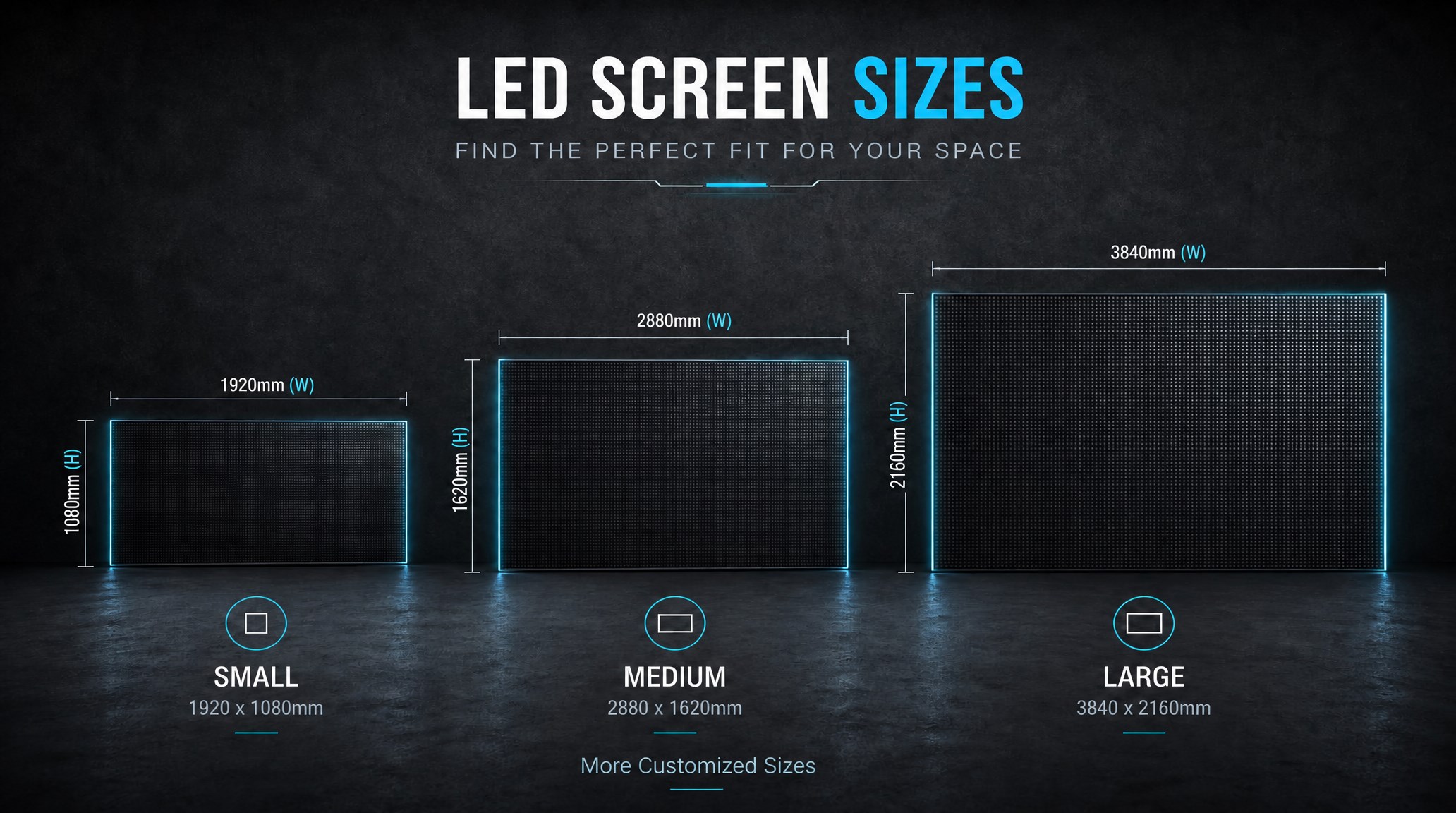
A practical guide explaining how to calculate LED display size, select pixel pitch, determine viewing distance, and choose suitable LED wall dimensions for commercial projects.
How to Choose the Right LED Display Size? Complete LED Screen Size Guide
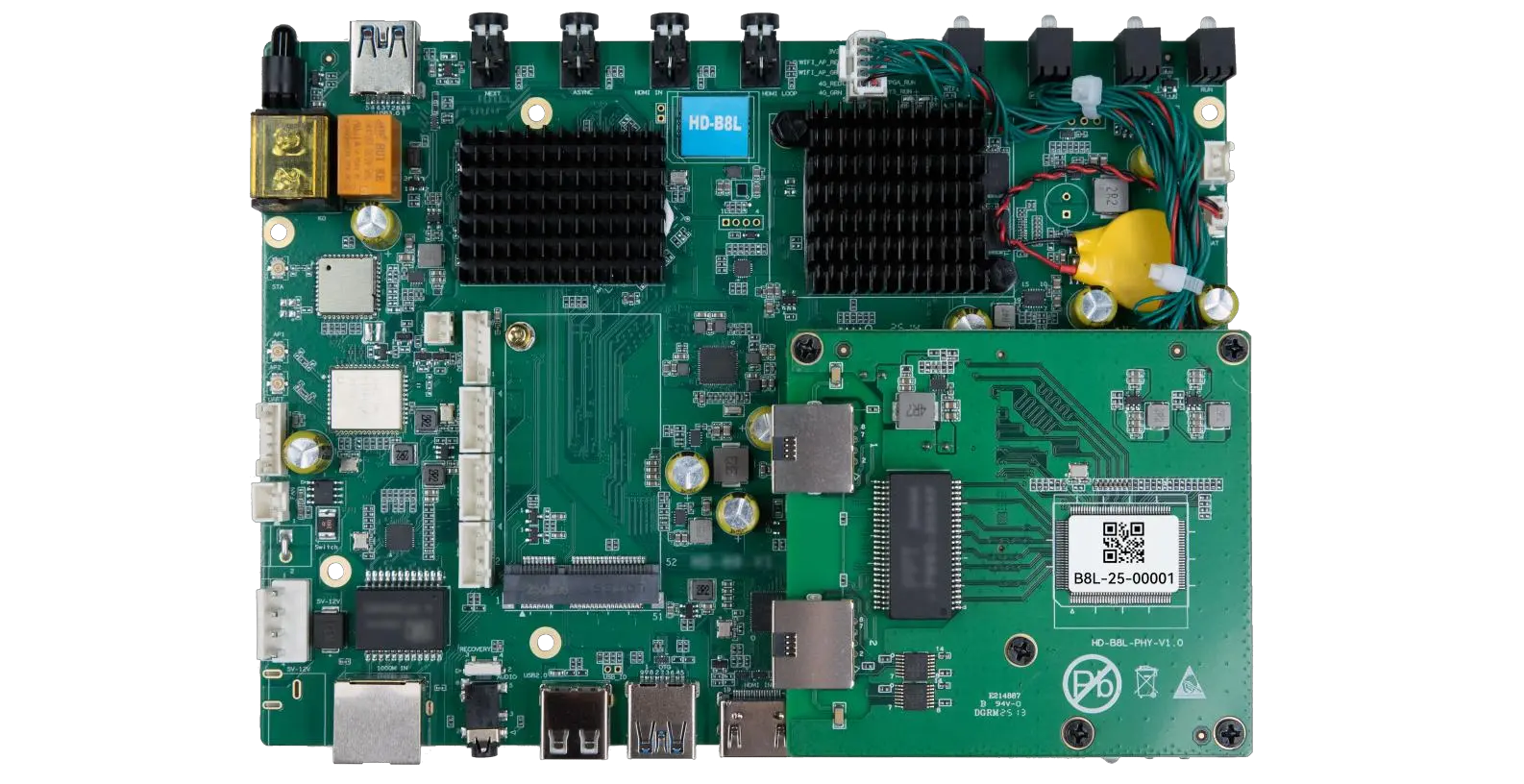
The HD-B8L Poster Screen Control System is an Android-based LED display controller designed for commercial LED poster displays and digital signage. It integrates media playback, asynchronous LED control, HDMI synchronization, network communication, and cloud management into one device, simplifying installation and centralized content management.
What Is the HD-B8L Poster Screen Control System? A Complete Technical Guide for Commercial LED Displays
Tell Us What Are You Looking For?
