
How LED Display Work: The Ultimate Guide to LED Digital Signage
2026-04-02

Table of Contents
- Introduction: Why Understanding How LED Display Work Matters
- Core Components That Power LED Digital Signage
- How LED Display Work: Step-by-Step Process
- Key Technologies Behind LED Digital Signage
- Types of LED Digital Signage & Their Uses
- LED vs. LCD: Critical Differences
- FAQ About How LED Display Work & LED Digital Signage
- Conclusion: Harness the Power of LED Digital Signage
1. Introduction: Why Understanding How LED Display Work Matters
Understanding how LED display work is essential for businesses investing in LED digital signage.LED digital signage has become a cornerstone of modern visual communication, offering unmatched brightness, flexibility, and energy efficiency.
Unlike traditional displays, LED digital signage self-illuminates, making it ideal for both indoor and outdoor use.Knowing how LED display work helps you choose the right solution and maximize its performance for your needs.
2. Core Components That Power LED Digital Signage
LED digital signage relies on six key components working in harmony to deliver vivid visuals.
- LED Modules: The building blocks, with tiny LEDs arranged in a grid on a circuit board.
- Control System: Acts as the "brain," processing signals and directing pixel behavior.
- Power Supply: Delivers stable voltage to ensure consistent brightness and color.
- Cabinet/Frame: Protects internal components and provides structural support.
- Data Cables: Transmit digital signals from the control system to LED modules.
- Content Management Software: Enables remote updates and scheduling for LED digital signage.
Each component plays a critical role in answering "how LED display work"—a breakdown in any part disrupts performance.
3. How LED Display Work: Step-by-Step Process
The operation of LED digital signage follows a simple yet precise sequence:
- Signal Input: A video source (computer, camera, or media server) sends content to the control system.
- Signal Processing: The control system decodes and formats the content for the display’s resolution.
- Pixel Control: The control system sends signals to individual LEDs, dictating brightness and color.
- Color Mixing: Each pixel’s RGB (red, green, blue) LEDs combine to produce millions of hues.
- Synchronization: All modules work in tandem to display a cohesive image or video.
- Real-Time Adjustment: Sensors and software optimize brightness based on ambient light conditions.
This streamlined process explains how LED display work to deliver smooth, dynamic content for LED digital signage.
4. Key Technologies Behind LED Digital Signage
Several technologies define how LED display work and enhance LED digital signage performance:
- RGB Color Model: The foundation of color reproduction, mixing red, green, and blue LEDs.
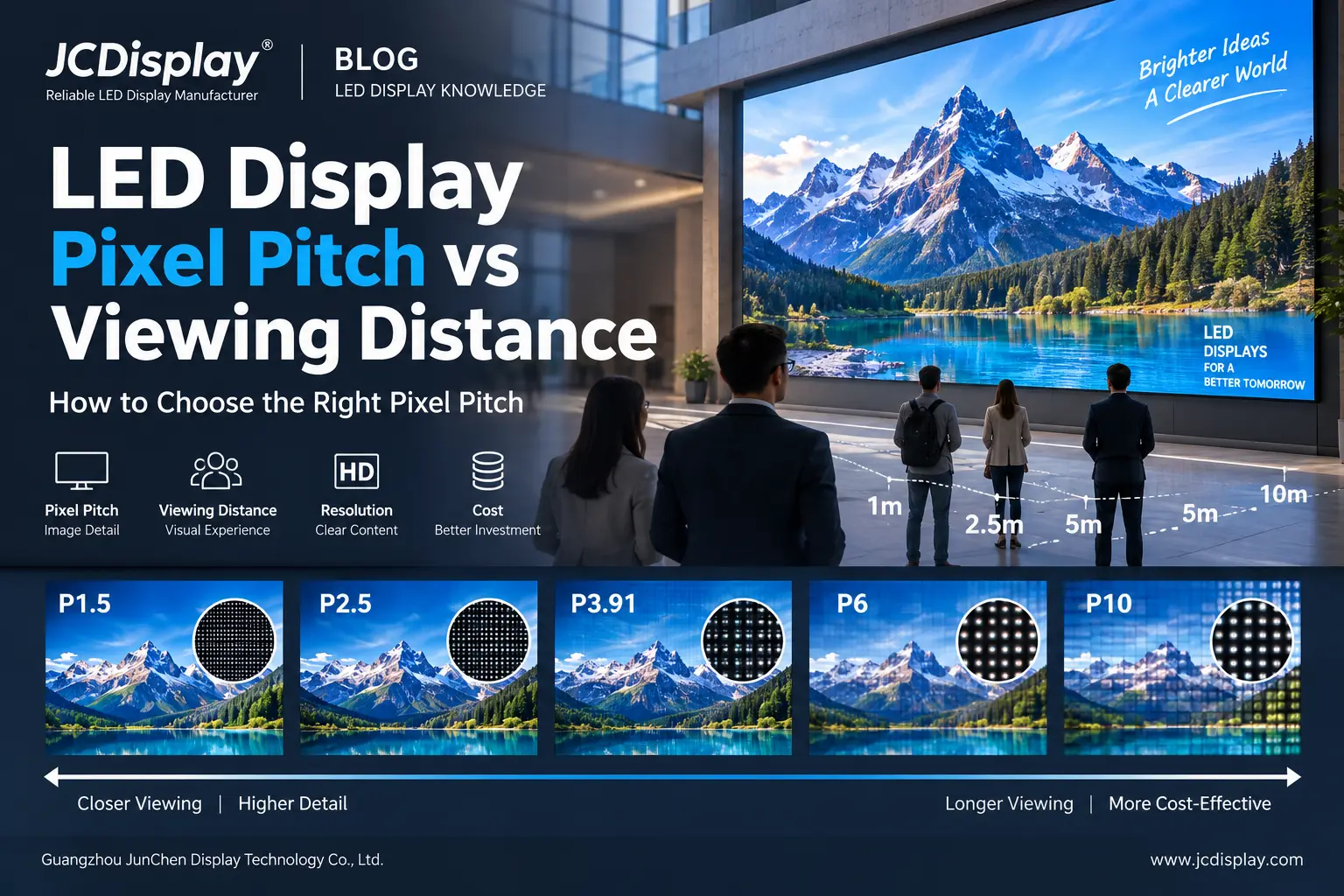
- Pixel Pitch: The distance between pixels—smaller pitches mean sharper visuals for close viewing.
- Refresh Rate: How often the display updates (higher rates = smoother motion for videos).
- Modular Design: Allows scaling LED digital signage from small panels to large video walls.
- Energy-Efficient LEDs: Convert almost all energy to light, reducing power consumption.
These technologies work together to make LED digital signage versatile and cost-effective for businesses.
5. Types of LED Digital Signage & Their Uses
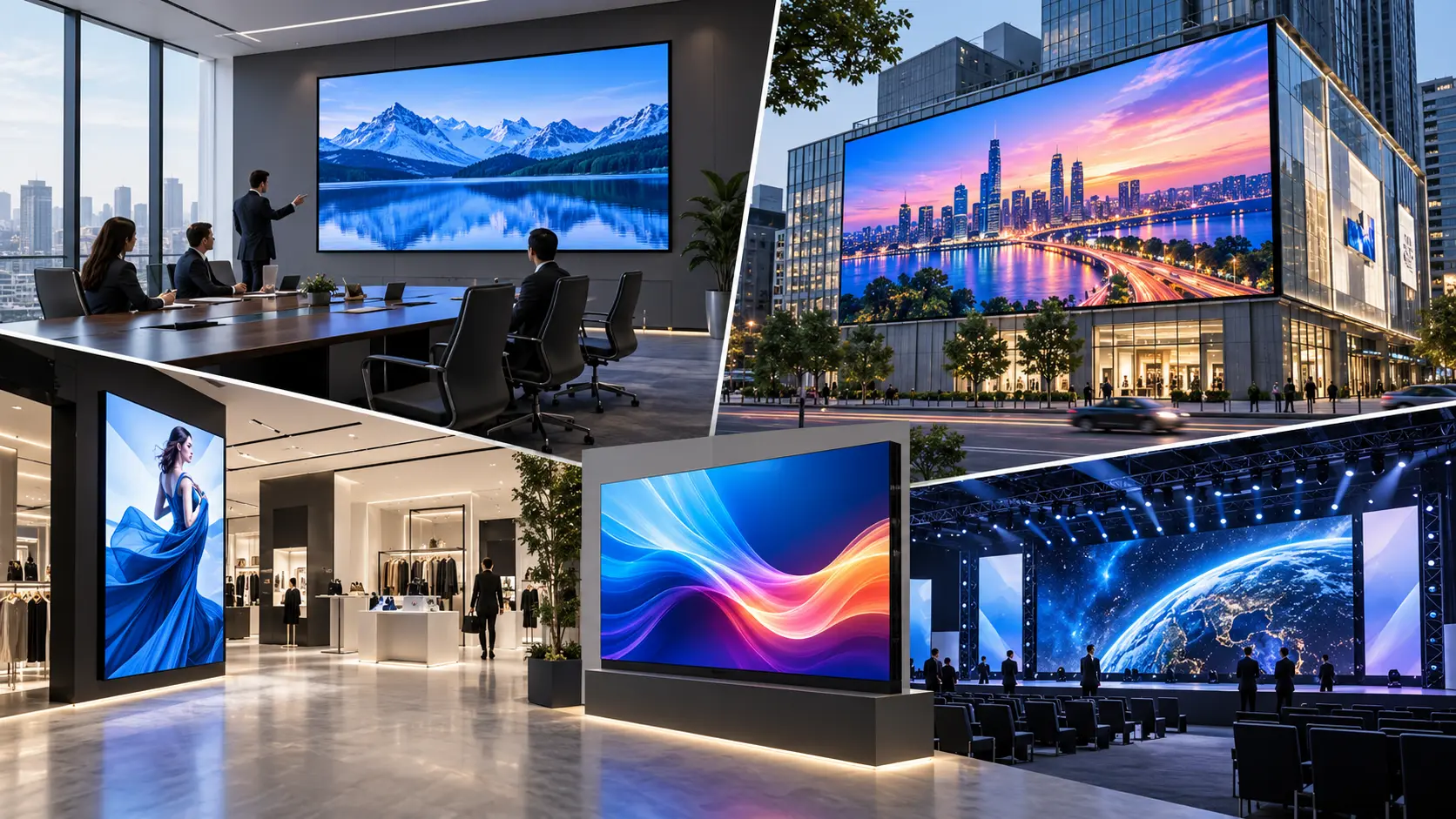
LED digital signage comes in various forms, each tailored to specific applications:
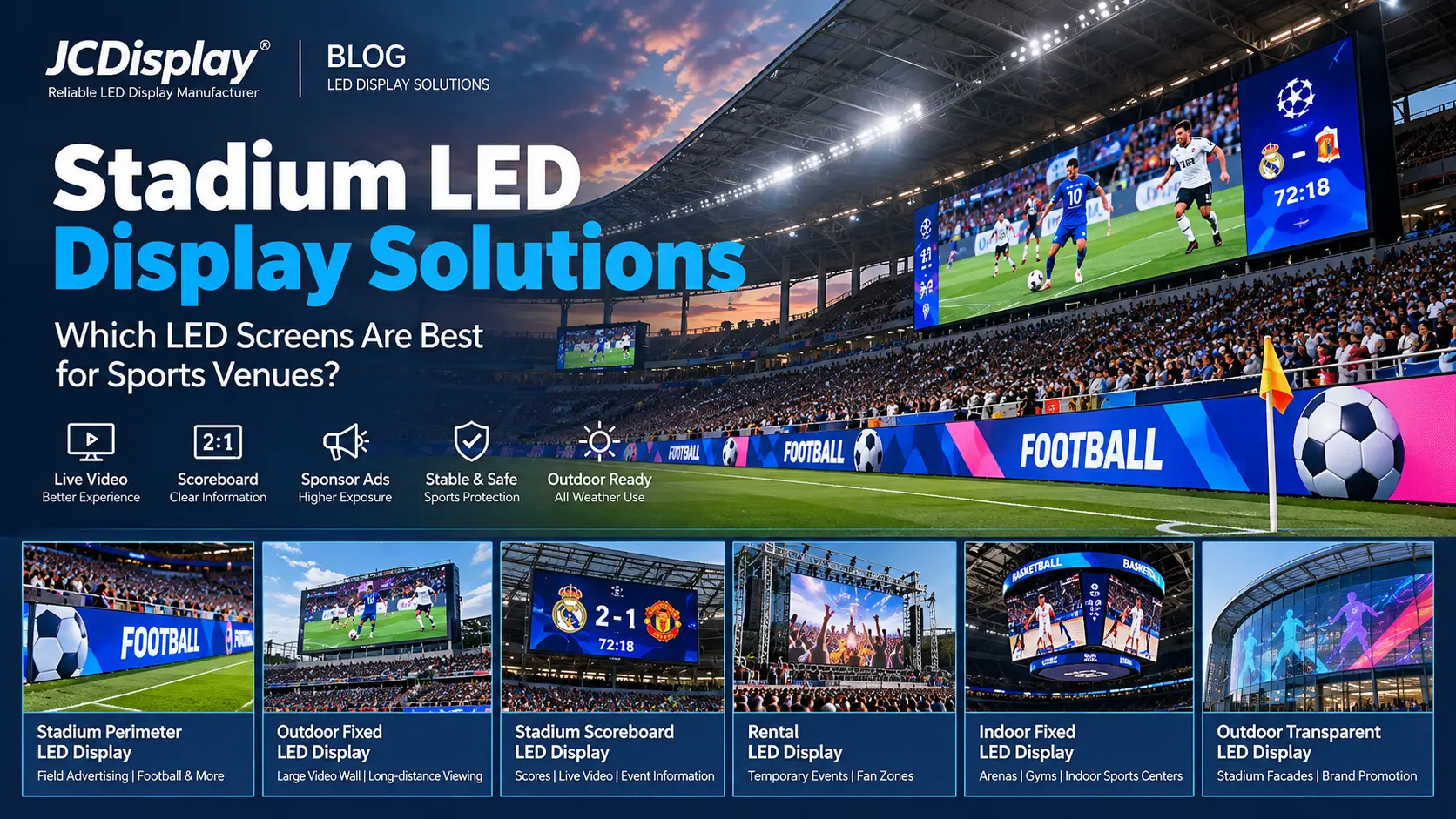
- LED Video Walls: Seamlessly connected panels for control rooms, retail stores, and stadiums.
- Outdoor LED Billboards: High-brightness displays for highways and urban advertising.
- Transparent LED Displays: See-through screens for retail windows and museum exhibits.
- Interactive LED Displays: Touch or gesture-responsive screens for education and retail.
- Flexible LED Displays: Curved or rollable designs for creative installations.
Understanding how LED display work helps match the right type of LED digital signage to your use case.
6. LED vs. LCD: Critical Differences
Knowing how LED display work highlights key advantages over LCD technology:
表格
| Feature | LED Digital Signage | LCD Displays |
|---|---|---|
| Illumination | Self-illuminating LEDs | Requires backlight (CCFL or LED) |
| Brightness | Higher (5,000+ nits for outdoor) | Lower (less visible in sunlight) |
| Energy Efficiency | 30-50% more efficient | Higher power consumption |
| Contrast Ratio | Deeper blacks, better contrast | Backlight bleed limits contrast |
| Flexibility | Curved, transparent, or modular | Typically rigid and flat |
| Lifespan | 80,000-100,000 hours | 50,000-60,000 hours |
These differences explain why LED digital signage is preferred for most business and advertising needs.
7. FAQ About How LED Display Work & LED Digital Signage
Q1: How do LED display work to produce different colors?
LED display work using the RGB color model—each pixel combines red, green, and blue LEDs.Adjusting the intensity of each color creates millions of unique hues for LED digital signage.
Q2: Can LED digital signage be used outdoors?
Yes—outdoor LED digital signage is designed with high brightness (5,000+ nits) and weatherproofing.Understanding how LED display work in harsh conditions helps select durable solutions.
Q3: How long does LED digital signage last?
High-quality LED digital signage lasts 80,000-100,000 hours (8-10 years) with proper maintenance.This longevity is a key benefit of how LED display work with solid-state technology.
Q4: How do you update content on LED digital signage?
Most LED digital signage uses cloud-based CMS software for remote updates.This convenience is part of why businesses choose LED digital signage after learning how LED display work.
Q5: Are LED digital signage energy-efficient?
Yes—LED display work by converting almost all energy to light, minimizing heat waste.LED digital signage consumes 30-50% less power than LCD alternatives.
8. Conclusion: Harness the Power of LED Digital Signage
Understanding how LED display work unlocks the full potential of LED digital signage for your business.From core components to color mixing, the technology behind LED display work delivers unmatched versatility and performance.
LED digital signage stands out for its brightness, energy efficiency, and flexible design options.Whether you need outdoor billboards, interactive screens, or video walls, knowing how LED display work helps you make informed decisions.
By leveraging LED digital signage, businesses can create engaging visual experiences that capture attention and drive results.Now that you know how LED display work, it’s time to elevate your communication with this powerful technology.
Prolight and Sound Guangzhou: Full Guide to Audio, Lighting and LED Screen Collocation for Stage Events
How High-Resolution LED Displays Elevate Customer Experience and Drive Business Growth in 2026

Tell Us What Are You Looking For?
