
Flexible LED Display Screen: Fix 5 Key Issues
2026-01-22

The flexible LED display screen has redefined visual marketing and installation flexibility with its bendable design, lightweight build, and wide-ranging adaptability. From curved commercial billboards to custom retail showcases and event backdrops, this innovative flexible screen eliminates the constraints of traditional rigid displays. Yet, most users face avoidable hurdles in selection, installation, and long-term operation that limit the flexible LED display screen’s performance and ROI. This guide dives into the 5 most prevalent pain points, paired with expert, actionable solutions to help you leverage your flexible screen to its full potential.
Pain Point 1: Poor Curved Fit & Wiring Damage (Flexible Screen Critical Flaw)
A top complaint with flexible LED display screen is misalignment on curved surfaces, which causes wiring breakage, uneven display, or permanent screen damage. Many buyers rely on vague marketing claims (“ultra-bendable”) instead of verifying technical specs, only to discover the flexible screen can’t match their required curvature or fails after a short period. This issue directly stems from ignoring the minimum bend radius—an non-negotiable parameter for any high-quality flexible LED display screen.
Solution: Prioritize the minimum bend radius when selecting a flexible LED display screen. For irregular curved scenarios like cylindrical showcases or wavy storefronts, choose products with a minimum bend radius of ≤5cm, which can curl into a cylinder without visible creases or display disruptions. For flat or slightly curved walls, a radius of 10-15cm balances performance and cost. Always test the product on-site: bend the screen to your target angle to check for wiring stress and verify display consistency at the bending points. Avoid products with vague bend radius claims—request official technical reports for confirmation.
Pain Point 2: Low Durability & Surface Damage (Flexible LED Screen Shortcoming)
High-traffic commercial spaces (malls, bars, retail stores) often see flexible LED display screen surfaces scratched by carts, keys, or collisions. Outdoor flexible screen installations face extra threats: UV rays fade colors, while moisture seeps into unprotected components, cutting lifespan to 3-4 years (vs. the 8-10 year standard). This durability gap wastes investment and disrupts long-term campaigns.
Solution: Opt for flexible LED display screen with enhanced protective layers. Select models with a surface hardness of ≥3H tempered glass coating to resist scratches and impacts—this improves durability by 3x compared to uncoated screens. For outdoor use, add an anti-UV coating to prevent color fading and ensure an IP65+ waterproof rating to withstand rain and dust. Avoid unprotected "bare screens," as the cost of post-installation repairs and replacements will exceed the investment in a protected model.
Pain Point 3: Poor Visibility in Extreme Lighting (Flexible Screen Common Issue)
Visibility struggles plague many flexible LED display screen users: outdoor models wash out in direct sunlight, while indoor flexible screen causes glare or appears dim in low light. This waste of visual potential comes from mismatching the flexible LED display screen’s brightness to its environment— a easily avoidable mistake with proper planning.
Solution: Match brightness to your scenario. For indoor spaces like meeting rooms and exhibition halls, 300-400 cd/㎡ is sufficient. For outdoor billboards or sunlit storefronts, choose a flexible LED display screen with brightness ≥500 cd/㎡, paired with an anti-glare coating. A café in a busy pedestrian area reported doubling customer engagement after upgrading to an anti-glare 500 cd/㎡ flexible screen, as passersby could clearly read promotions from 3 meters away. Avoid one-size-fits-all brightness—test visibility under actual lighting conditions before installation.
Pain Point 4: Cumbersome Installation & Surface Damage (Flexible LED Screen Hurdle)
Rental spaces or luxury-decorated stores often ban drilling, making traditional bracket-mounted flexible LED display screen installation impossible. Even when allowed, improper mounting creates air gaps between the flexible screen and surface, reducing heat dissipation and cutting lifespan by 20-30%. This installation friction delays projects and increases long-term costs.
Solution: Choose flexible LED display screen with adhesive mounting for drill-free installation. Use professional transparent PSA adhesive (pressure-sensitive adhesive) applied in a zig-zag pattern (5mm wide, 50mm spacing) to balance flexibility and hold. Clean the surface thoroughly with alcohol before installation to remove dust—this prevents warping and ensures a secure bond. One person can install 2㎡ in 10 minutes, and the adhesive leaves no residue when removed. For large installations over 3m wide, add support brackets every 1.2m to prevent sagging, and allow a 5-10mm margin for thermal expansion.
Pain Point 5: High Energy Costs & Maintenance Downtime (Flexible Screen Drawback)
Long-term operation of a flexible LED display screen can lead to unexpected high electricity bills if not optimized. Traditional rigid screens use 60-80W/㎡, but poorly designed flexible screen often fails to deliver energy-saving promises, while non-modular designs cause weeks of downtime for repairs. This inefficiency erodes the flexible LED display screen’s cost-benefit advantage.
Solution: Select energy-efficient flexible LED display screen with a power consumption of 25-40W/㎡—a 10㎡ screen uses only 0.25-0.4 kWh per hour, saving 40% on energy costs compared to rigid screens. Opt for modular designs that reduce maintenance time to under 48 hours (vs. 5-7 days for traditional screens). Power the display with a 20% wattage buffer to avoid overload, and use control software to calibrate brightness uniformly (500-1500 nits) for optimal energy use. Regularly clean the surface and check connectors to prevent signal loss and brightness drops at seams.
Expert Tips to Choose the Best Flexible LED Display Screen
To avoid these pain points and maximize your flexible LED display screen’s value, prioritize on-site testing: bend the flexible screen to your exact required radius, test surface durability with minor abrasion, and verify visibility under your target lighting conditions. Always choose brands with a 2+ year warranty and on-site debugging—cheap unbranded flexible LED display screen lacks the components to resist wear, leading to costly replacements. Align specs with your use case (indoor/outdoor, curved/flat) to unlock stunning, long-lasting visuals.
Whether for retail promotions, event backdrops, or outdoor advertising, a well-selected and installed flexible LED display screen transforms spaces and boosts audience engagement. By addressing these 5 key pain points, your flexible screen will deliver reliable performance, lower long-term costs, and maximum ROI for years. Invest in quality specs and proper installation—your flexible LED display screen’s performance depends on it.
P6 Outdoor LED Display for Sale: The Ultimate Guide for Commercial Use
Mobile Billboard Trailer: The Ultimate Guide to Boosting Brand Visibility
Related Article
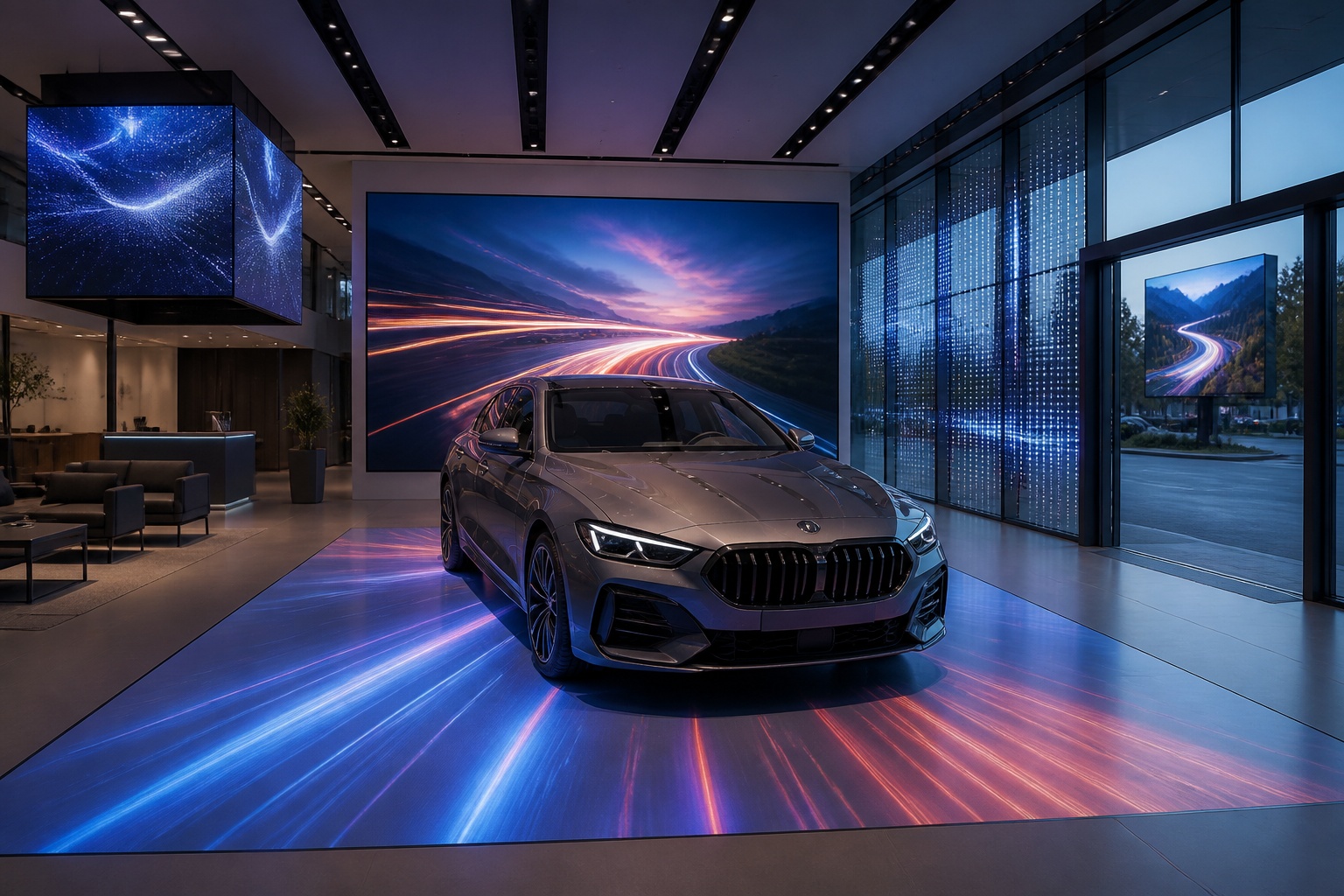
A B2B technical guide to selecting and combining fixed, floor, transparent, cube and other LED displays for automotive dealerships and 4S showrooms.
What LED Displays Can a 4S Dealership Use and How Should They Be Combined?
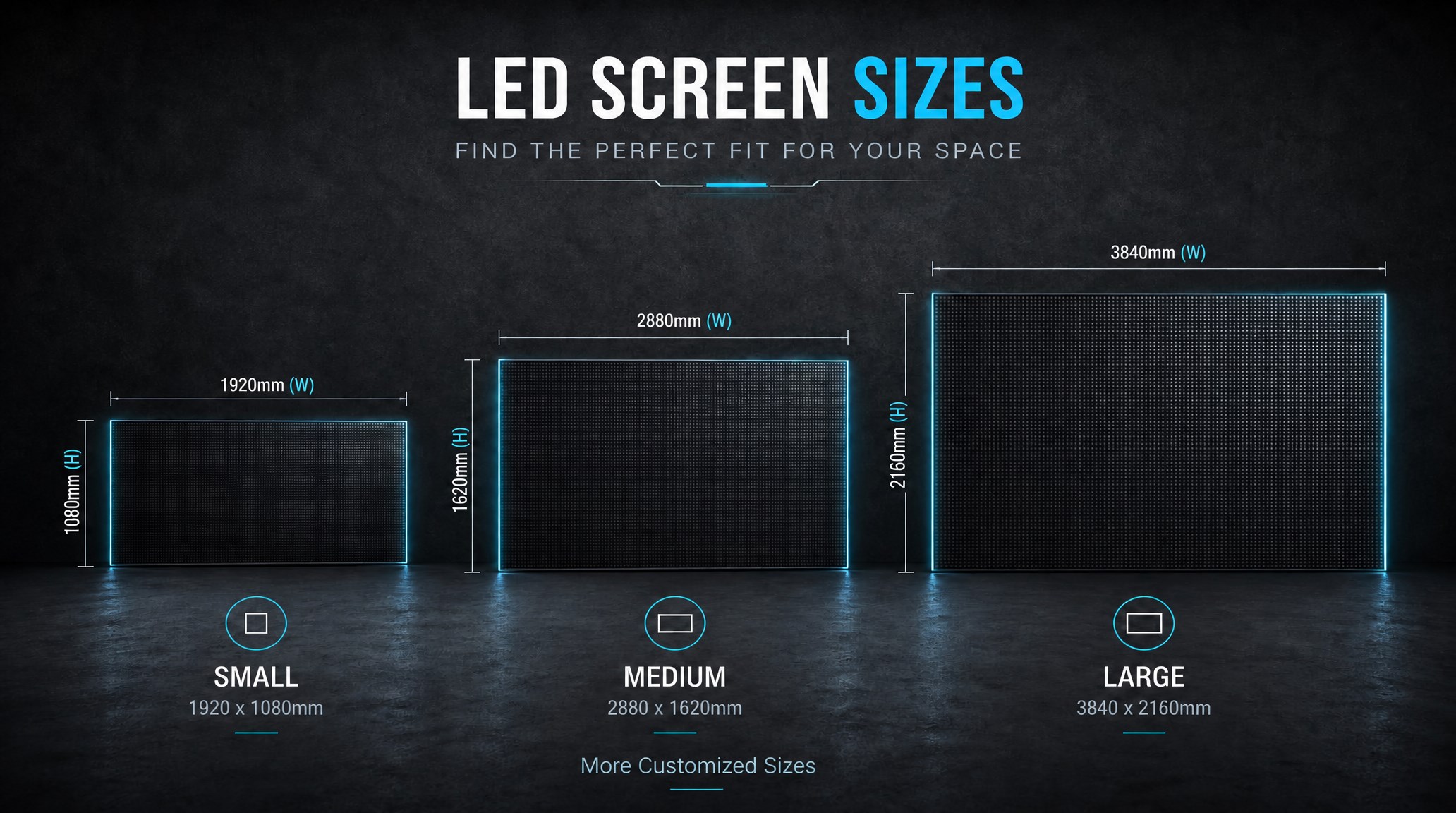
A practical guide explaining how to calculate LED display size, select pixel pitch, determine viewing distance, and choose suitable LED wall dimensions for commercial projects.
How to Choose the Right LED Display Size? Complete LED Screen Size Guide
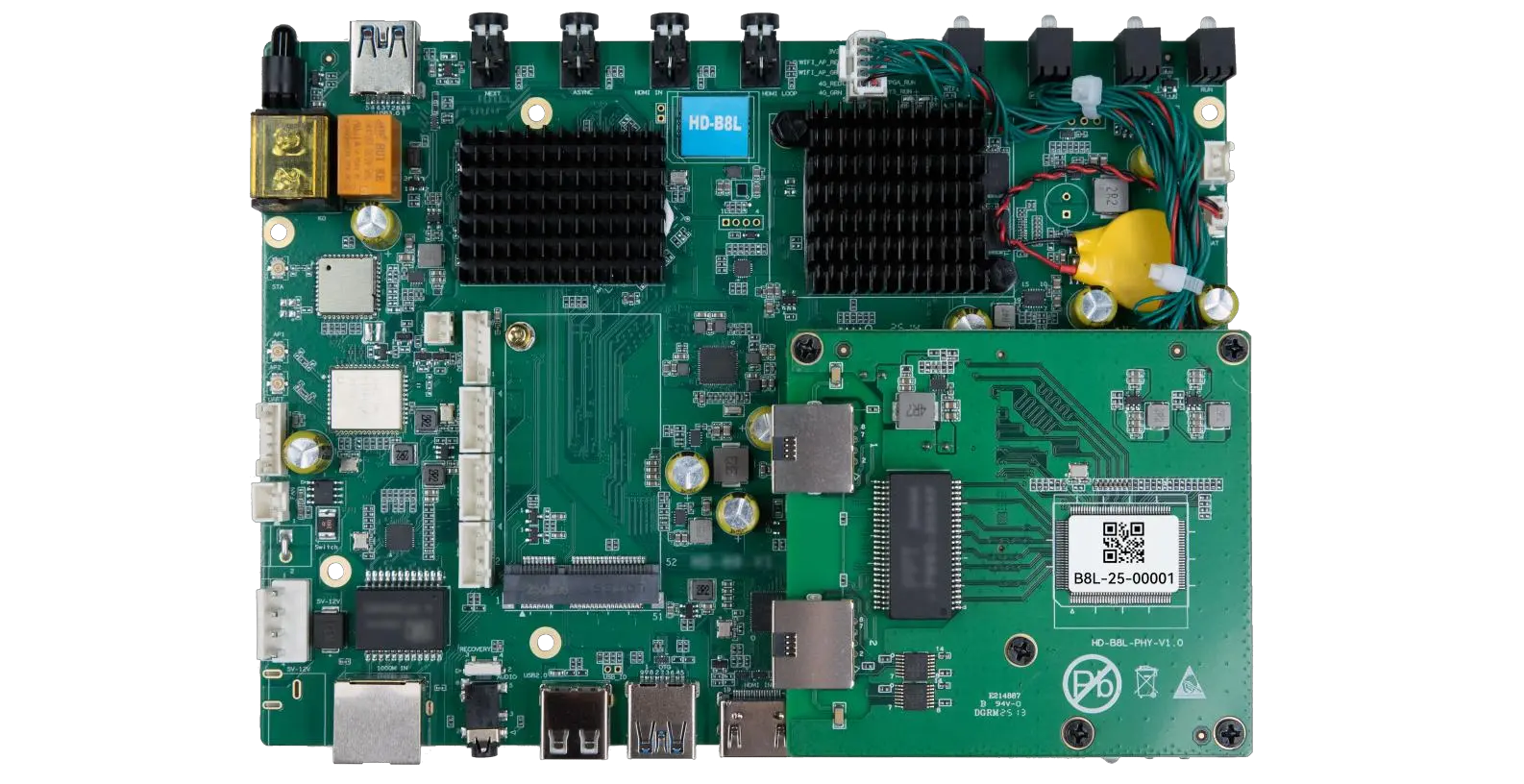
The HD-B8L Poster Screen Control System is an Android-based LED display controller designed for commercial LED poster displays and digital signage. It integrates media playback, asynchronous LED control, HDMI synchronization, network communication, and cloud management into one device, simplifying installation and centralized content management.
What Is the HD-B8L Poster Screen Control System? A Complete Technical Guide for Commercial LED Displays
Tell Us What Are You Looking For?
