
The Evolution and Wonders of the World's Biggest Screens: From LED Displays to Jumbotrons
2025-09-05
The Evolution and Wonders of the World's Biggest Screens: From LED Displays to Jumbotrons
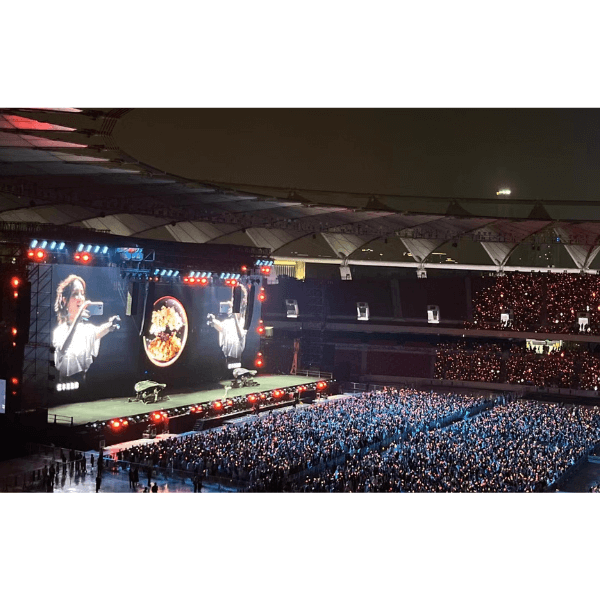
In today's digital age, visual experiences have become an integral part of our lives, and biggest screens are redefining how we perceive and interact with content. These massive displays, ranging from towering biggest LED screen installations to iconic largest jumbotron setups, have transformed public spaces, entertainment venues, and even advertising landscapes. Let's delve into the fascinating world of these colossal visual marvels, exploring their technology, applications, and the awe they inspire.
What Makes the Biggest Screens Stand Out?
The term biggest screens encompasses a wide range of large-scale display technologies, but what truly sets them apart is their sheer size and advanced capabilities. Unlike standard screens, these giants boast dimensions that can span hundreds of square meters, with some of the largest LED display in the world covering entire building facades or stadium walls.
One key factor is the use of light-emitting diodes (LEDs), which offer superior brightness, contrast, and energy efficiency compared to traditional display technologies. This makes biggest LED screen installations ideal for outdoor environments, where they can withstand harsh weather conditions while delivering vibrant, high-resolution content even in direct sunlight. Additionally, the modular design of LED panels allows for seamless scalability, enabling the creation of custom-sized screens that fit any space, from small arenas to massive public squares.
The Largest LED Display in the World: A Feat of Engineering
When it comes to the largest LED display in the world, one installation that stands out is the Dubai Mall's Fashion Avenue LED screen. Stretching over 1,000 square meters, this massive display features ultra-high resolution and advanced video processing capabilities, making it a favorite among brands looking to showcase their products in a visually stunning way.
Another notable example is the LED screen at the Mercedes-Benz Stadium in Atlanta, Georgia. This largest jumbotron spans over 11,000 square feet and wraps around the entire circumference of the stadium, providing fans with an immersive viewing experience from every seat. The screen's high dynamic range (HDR) technology ensures that colors are vibrant and details are sharp, even in the bright stadium lights.
Applications of the Biggest Screens: Beyond Entertainment
While biggest screens are often associated with entertainment venues like stadiums and concert halls, their applications extend far beyond that. In the advertising industry, these massive displays have become a powerful tool for brands to capture attention and engage with audiences. For example, the biggest LED screen in Times Square, New York, attracts millions of viewers every day, making it a prime location for companies to showcase their latest campaigns.
In the transportation sector, large screens are used to provide real-time information to commuters. Airports, train stations, and bus terminals around the world use largest LED display installations to display flight schedules, gate changes, and other important updates, ensuring that travelers stay informed and on time.
Educational institutions are also leveraging the power of biggest screens to enhance the learning experience. Universities and schools are installing large LED displays in lecture halls and auditoriums, allowing professors to display complex visuals, videos, and interactive content that help students better understand and retain information.
The Future of the Biggest Screens: Innovation and Advancements
As technology continues to evolve, we can expect to see even more impressive biggest screens in the years to come. One area of innovation is the development of flexible and transparent LED displays, which could revolutionize the way we use screens in our daily lives. Imagine a world where your living room wall is a massive, flexible screen that can be rolled up when not in use, or a storefront window that doubles as a transparent display showing product information.
Another trend is the integration of artificial intelligence (AI) and machine learning into large screen technology. This could enable largest LED display installations to adapt to their environment, adjusting brightness and content based on factors like time of day, weather conditions, and audience demographics. For example, a screen in a busy city center could automatically switch to displaying traffic updates during rush hour, or a stadium screen could show personalized content to individual fans based on their seating location and interests.
Conclusion
The world of biggest screens is a fascinating one, filled with innovation, engineering marvels, and endless possibilities. From the largest LED display in the world to iconic largest jumbotron setups, these massive displays have transformed the way we experience content, connect with brands, and navigate the world around us.
As technology continues to advance, we can look forward to even more impressive and versatile biggest screens that will push the boundaries of what's possible. Whether it's in entertainment, advertising, transportation, or education, these colossal visual marvels are sure to play an increasingly important role in our lives, captivating audiences and inspiring wonder for years to come.
What is a Good Contrast Ratio for a Monitor?
What Is a Good Contrast Ratio for a Monitor? Complete Guide for 2025
Related Article
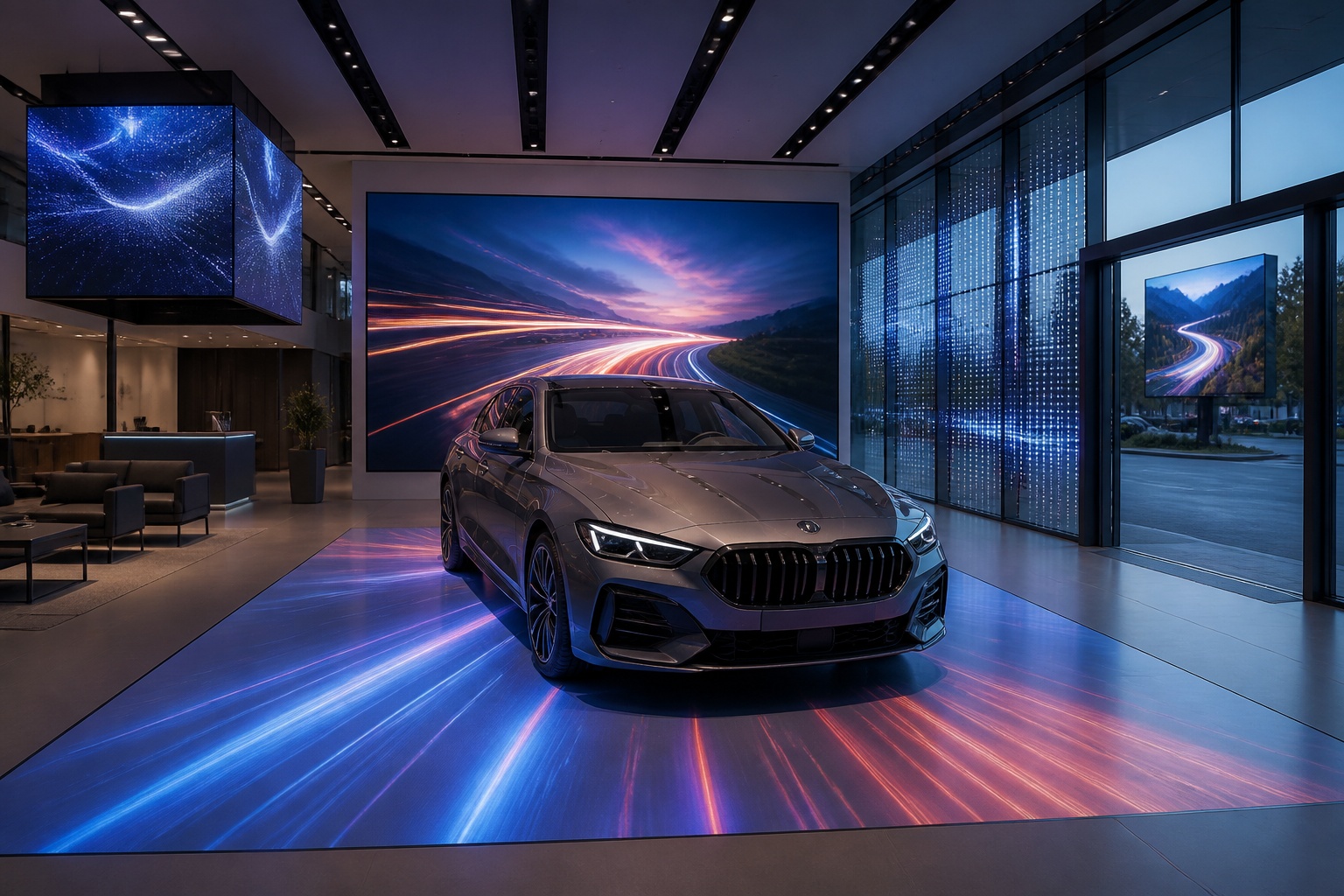
A B2B technical guide to selecting and combining fixed, floor, transparent, cube and other LED displays for automotive dealerships and 4S showrooms.
What LED Displays Can a 4S Dealership Use and How Should They Be Combined?
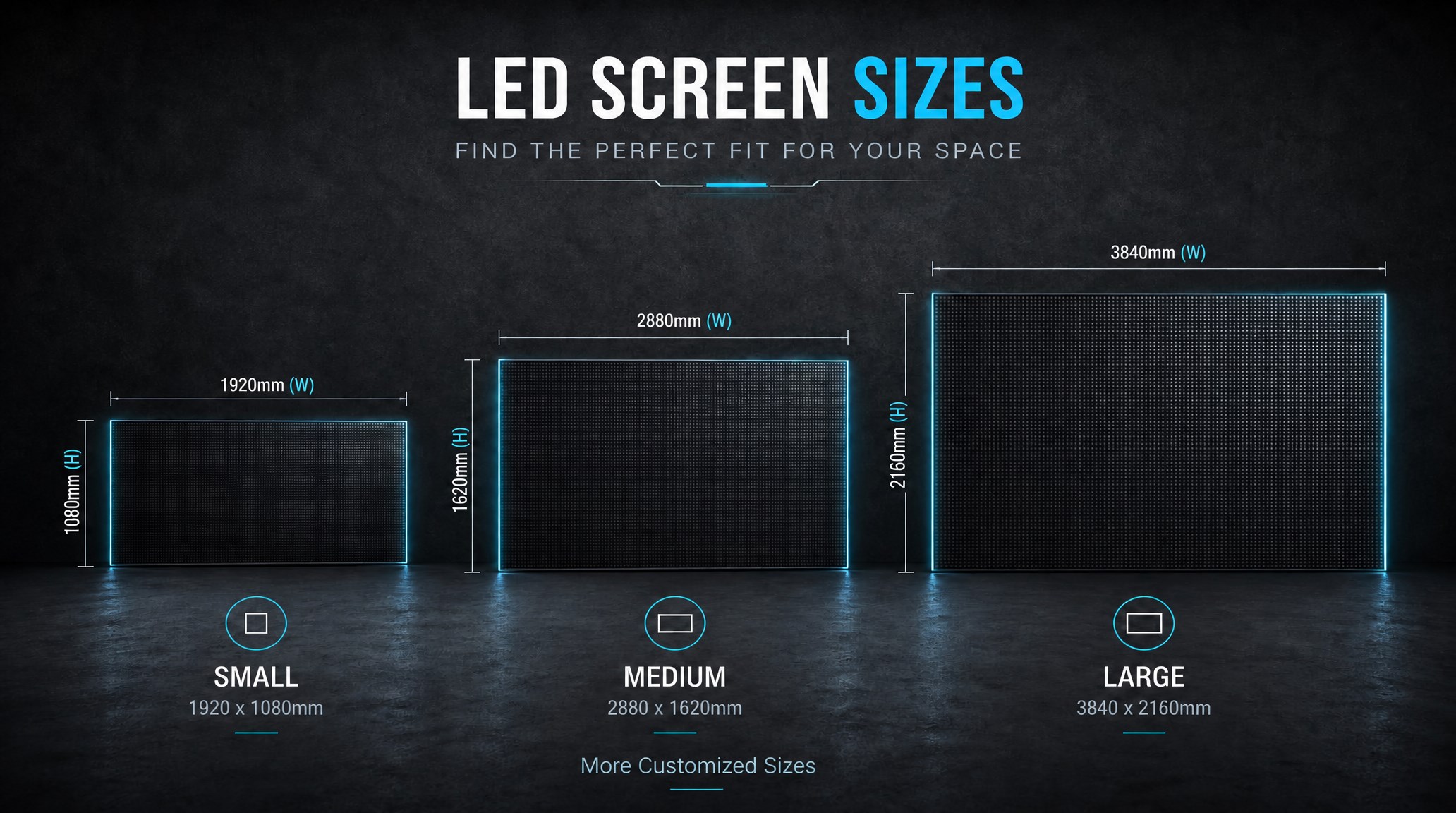
A practical guide explaining how to calculate LED display size, select pixel pitch, determine viewing distance, and choose suitable LED wall dimensions for commercial projects.
How to Choose the Right LED Display Size? Complete LED Screen Size Guide
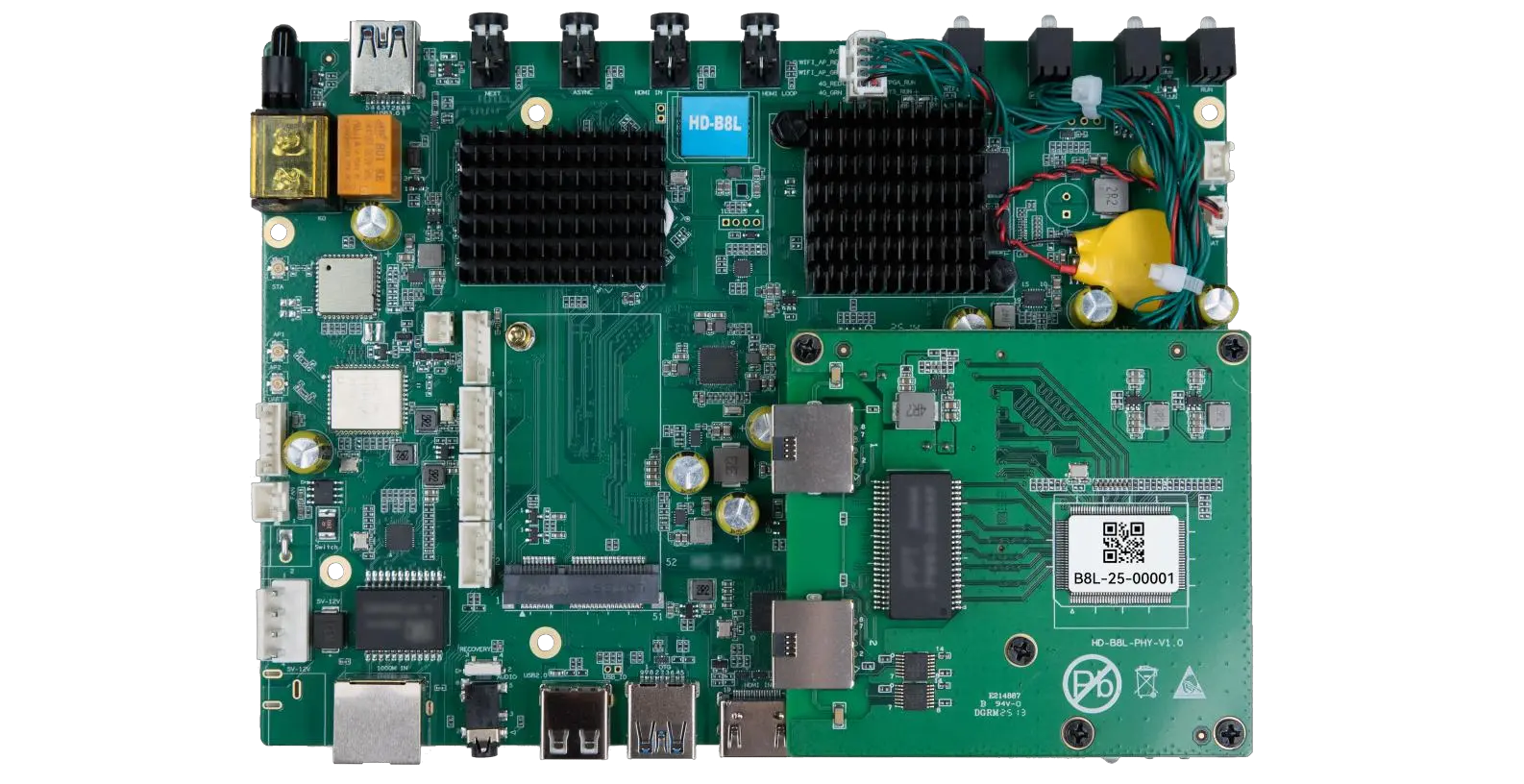
The HD-B8L Poster Screen Control System is an Android-based LED display controller designed for commercial LED poster displays and digital signage. It integrates media playback, asynchronous LED control, HDMI synchronization, network communication, and cloud management into one device, simplifying installation and centralized content management.
What Is the HD-B8L Poster Screen Control System? A Complete Technical Guide for Commercial LED Displays
Tell Us What Are You Looking For?
