
3D Billboard Times Square 2025: Trends, Tech & Pricing Guide
2025-09-30
3D Billboard Times Square 2025: Trends, Tech & Pricing Guide
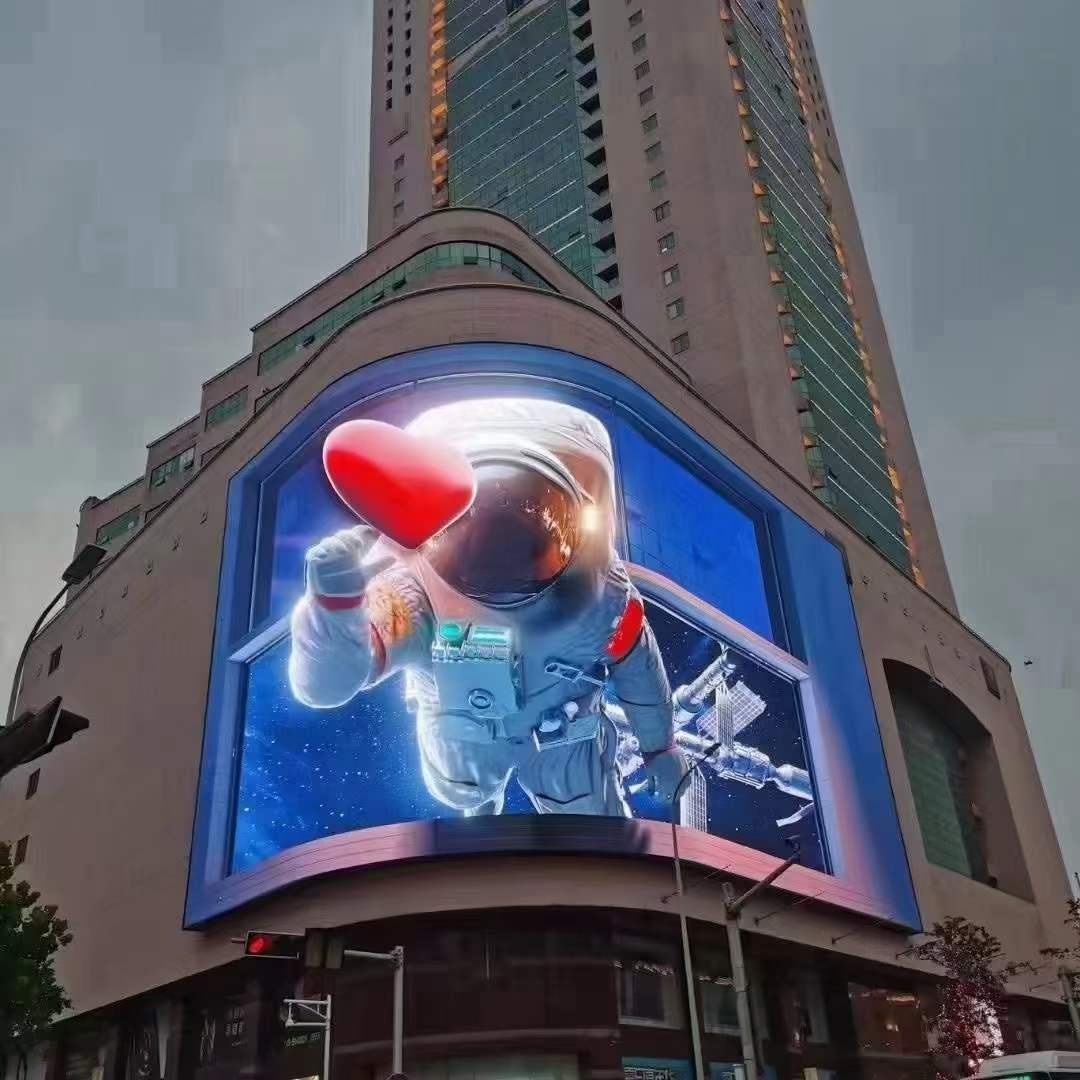
Times Square is the global epicenter of cutting-edge advertising, and the 3d billboard times square stands as its most captivating attraction. In 2025, these hyper-realistic displays keep redefining outdoor marketing—merging art, tech, and audience engagement to turn ads into cultural moments. From viral brand launches to mind-bending visuals, the times square 3d billboard isn’t just ad space; it’s a platform to reach 330,000 daily pedestrians and billions online. This guide breaks down 2025’s top campaigns, how times square 3d screen tech works, time square billboard price secrets, and why brands of all sizes invest here.
The Hottest 3D Billboard Times Square Campaigns of 2025
Every year, brands compete to create the most talked-about times square 3d billboard moments, and 2025 hasn’t disappointed. Coca-Cola’s "Global Hug" campaign stole the show with a 3D display that made giant soda bottles "reach out" to passersby, using motion sensors to trigger interactive animations when crowds gathered. The campaign went viral on TikTok, racking up 120 million views in its first week—proving the 3d billboard times square’s power to turn ads into shareable content.
Samsung followed with its "Galaxy Unfold" campaign, featuring a 1,500-square-foot times square 3d screen that used parallax mapping to make its foldable phone "unfold" beyond the billboard’s edges—creating the illusion of floating above Times Square. Even startups are making waves: Tech startup Nothing launched its Phone (3) on a mid-size times square 3d billboard, using interactive LiDAR sensors to let passersby "rotate" the phone virtually. The campaign drove 3x more pre-orders than its 2023 launch. Luxury brand Gucci also joined, with virtual models "stepping out" of the screen to showcase its 2025 summer collection—blending high fashion with digital art.
How Does a Times Square 3D Billboard Work?
The magic of a 3d billboard times square lies in a mix of hardware and creative engineering. Unlike traditional flat billboards, these displays use high-density LED panels (often 2.5mm pixel pitch or smaller) to create sharp, bright visuals even in Times Square’s neon-drenched environment. The 3D effect comes from two key techniques: parallax scrolling and anamorphic projection.
The 3D magic relies on two core techniques: Parallax Scrolling layers image elements at different depths, so objects move independently as viewers walk past—mimicking real-world perspective. Anamorphic Projection distorts visuals to look 3D from Times Square’s busy pedestrian angles. Modern times square 3d screen setups add LiDAR/camera sensors for interactivity: for example, Pepsi’s 2025 campaign let crowds "control" a virtual waterfall on the billboard by waving their hands. This tech turns static ads into immersive moments with 78% brand recall (vs. 45% for flat billboards, per OAA 2025).
Time Square Billboard Price: 2025 Cost Breakdown
One of the biggest questions brands ask is, "What’s the time square billboard price for a 3D display?" Unlike standard billboards, 3D setups cost more due to advanced tech and installation—but the ROI (return on investment) from viral exposure often justifies it. In 2025, prices range based on three key factors: size, duration, and technology.
Time square billboard price varies by three key factors: Location, Size, and Tech. Smaller spots (500–1,000 sq. ft.) on side streets start at $15,000–$30,000/week. Mid-size displays (1,000–2,000 sq. ft.) on 42nd Street or Broadway cost $30,000–$60,000/week. Premium locations—like the NASDAQ tower (2,500+ sq. ft.) or Coca-Cola sign—hit $80,000–$150,000/week for 3D. Add-ons: Custom 3D animations ($5,000–$20,000), interactive sensors ($10,000–$30,000), and short-term slots (1–3 days) cost 20–30% more daily. Pro tip: Book 3+ months in advance for holiday seasons (e.g., Christmas, New Year’s) to lock in lower rates.
Why Brands Invest in 3D Billboard Times Square
The 3d billboard times square isn’t just a luxury—it’s a strategic marketing tool. Times Square sees 330,000 pedestrians daily, plus billions more online through social media shares. A well-executed 3D campaign can generate 10x more engagement than traditional ads, according to a 2025 report by Outdoor Advertising Association (OAA).
Brands like Nike and Apple have used times square 3d screen displays to launch new products, leveraging the location’s global visibility to reach audiences in 195 countries. The interactive elements also boost brand recall: 78% of viewers remember a 3D Times Square ad six months later, compared to 45% for flat billboards. For startups and global brands alike, the times square 3d billboard is a way to signal credibility and innovation—all while creating content that spreads organically online.
Future Trends for Times Square 3D Billboards
As tech evolves, 3d billboard times square will get smarter. Here’s what’s next: AR Integration—viewers scan the billboard with phones to unlock virtual experiences (e.g., trying on Nike sneakers in 3D). The outdoor AR ad market is projected to grow 25% by 2027 (per Grand View Research). Transparent OLEDs will let ads "blend" with Times Square’s skyline while keeping 3D vividness. Sustainability: New models use 40% less energy than 2023 versions, with solar-powered displays launching in 2026. Brands are also going "purpose-driven": Patagonia’s 3D billboard highlighted climate change with interactive glacier visuals, driving 200k+ donations to环保 groups.
Sustainability is another trend: new times square 3d billboard models use 40% less energy than 2023 versions, with solar-powered options in the works. Brands are also focusing on "purpose-driven" 3D ads—like Pepsi’s 2025 campaign that highlighted climate action with interactive animations of renewable energy. These trends show that the future of Times Square 3D advertising isn’t just about bigger visuals—it’s about smarter, more meaningful connections.
Conclusion
The 3d billboard times square remains the gold standard for outdoor advertising in 2025, merging cutting-edge tech with unparalleled global reach. From viral campaigns to interactive experiences, these displays offer brands a unique way to engage audiences both in-person and online. While time square billboard price for 3D setups is higher than traditional ads, the exposure and engagement they drive make them a worthwhile investment.
As AR integration and sustainability take center stage, the times square 3d billboard will keep pushing boundaries. For brands, it’s not just about visibility—it’s about creating shareable, meaningful moments that resonate offline and online. For tech enthusiasts, it’s a front-row seat to the future of advertising. One thing’s certain: Times Square’s 3d billboard times square will remain the gold standard for global brand storytelling.
Energy-saving LED Display 2025: Eco-Friendly & Cost-Saving Guide
2025 Biggest Screen in the World: Top Records, Tech & Industry Impact
Related Article
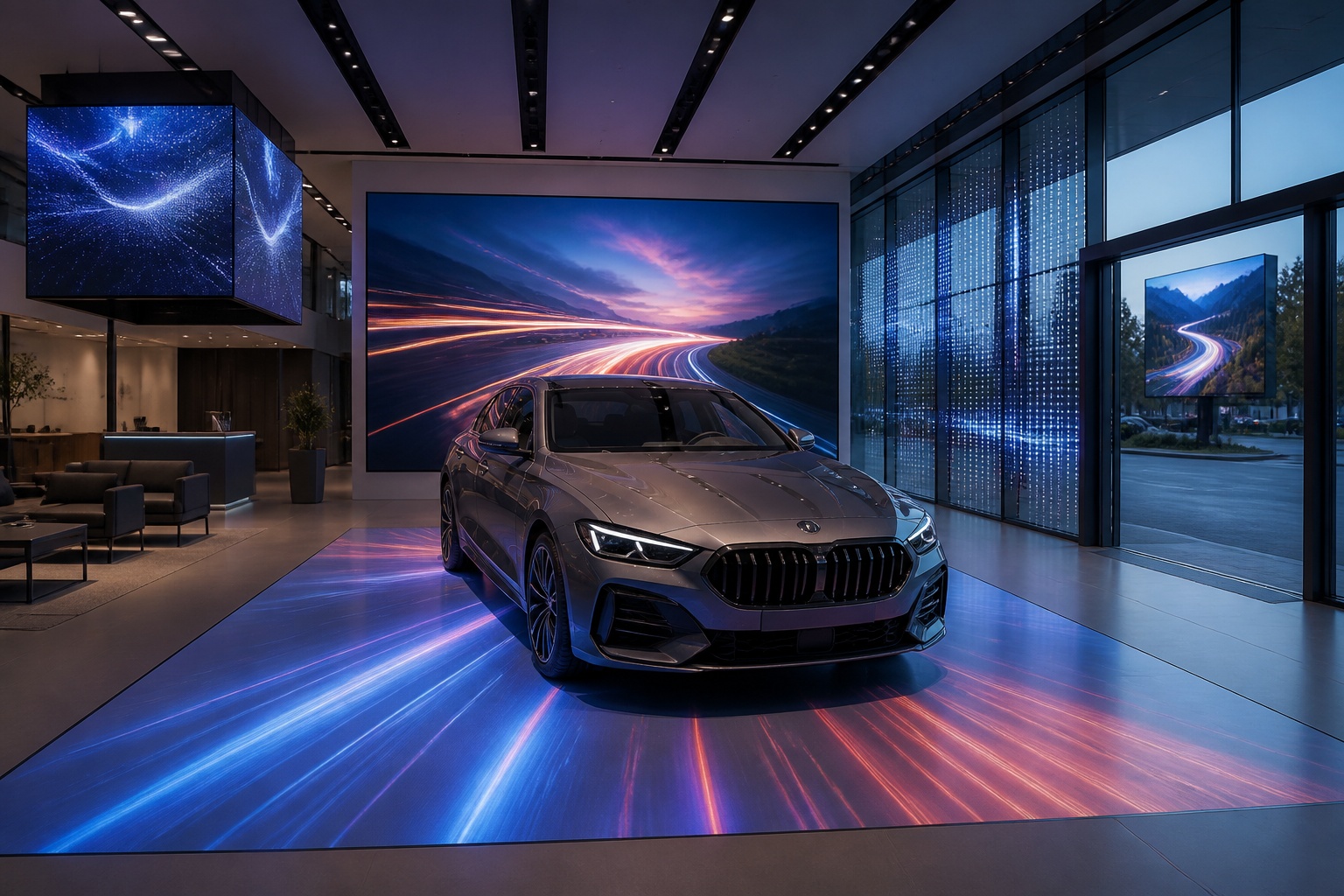
A B2B technical guide to selecting and combining fixed, floor, transparent, cube and other LED displays for automotive dealerships and 4S showrooms.
What LED Displays Can a 4S Dealership Use and How Should They Be Combined?
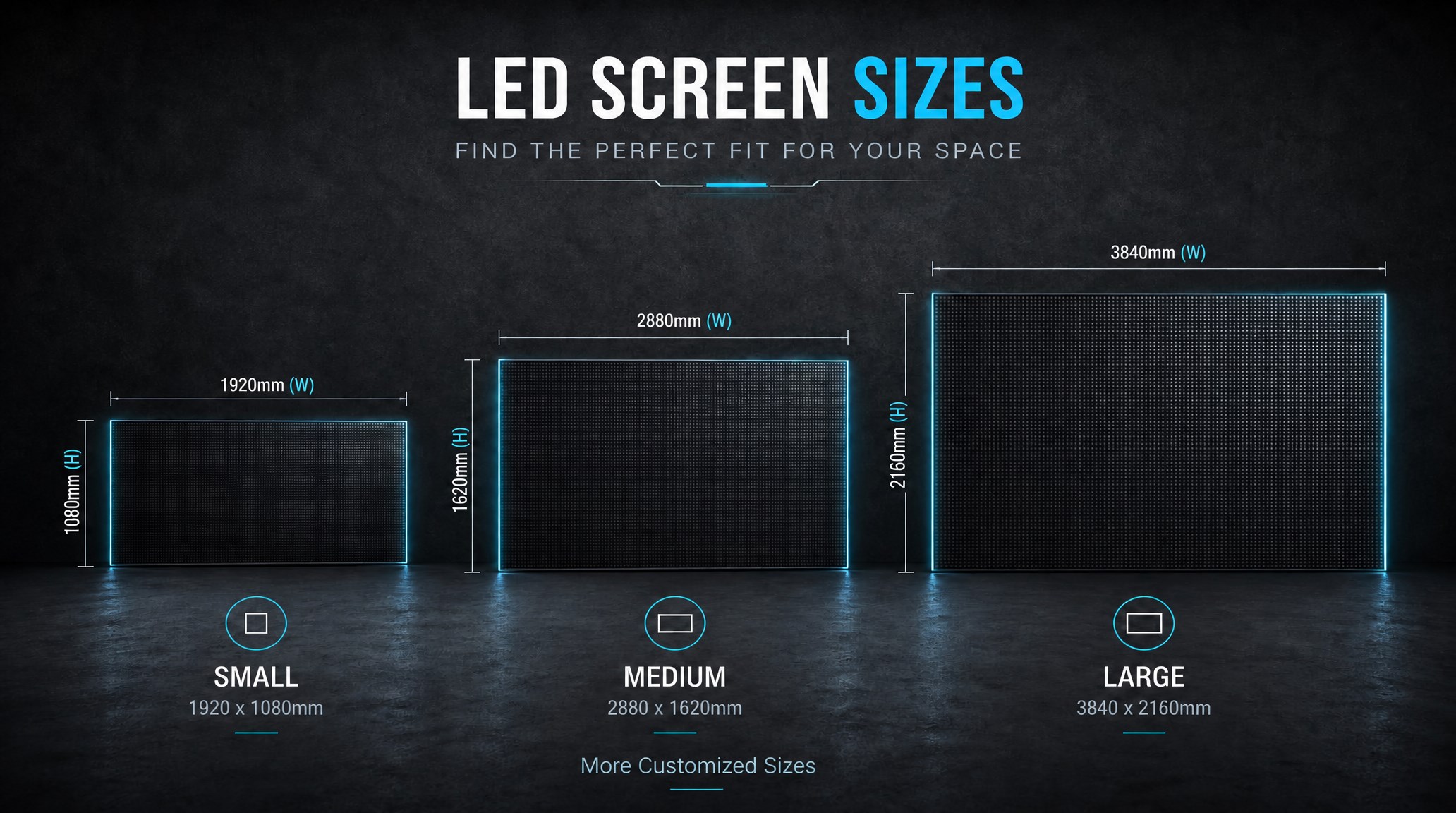
A practical guide explaining how to calculate LED display size, select pixel pitch, determine viewing distance, and choose suitable LED wall dimensions for commercial projects.
How to Choose the Right LED Display Size? Complete LED Screen Size Guide
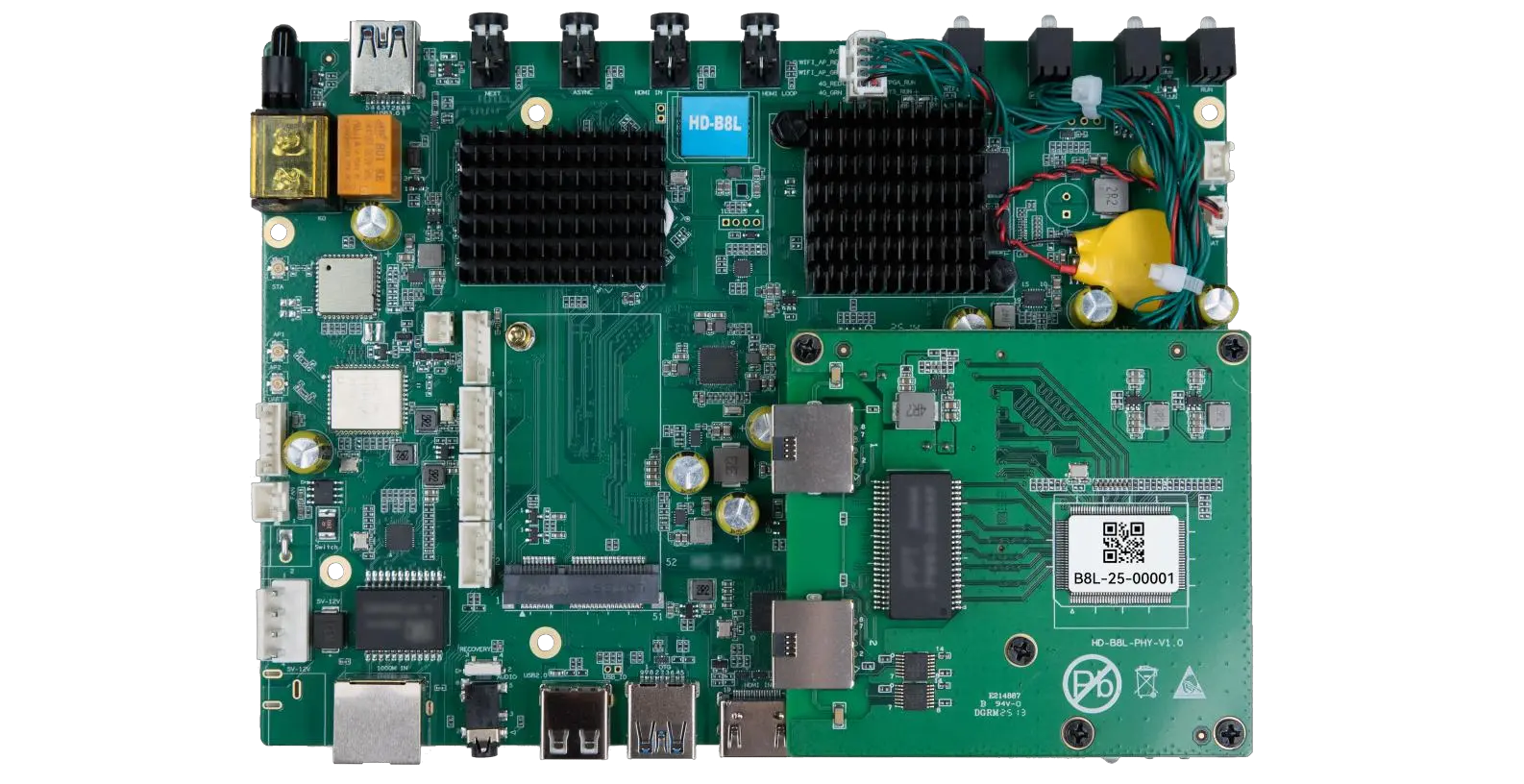
The HD-B8L Poster Screen Control System is an Android-based LED display controller designed for commercial LED poster displays and digital signage. It integrates media playback, asynchronous LED control, HDMI synchronization, network communication, and cloud management into one device, simplifying installation and centralized content management.
What Is the HD-B8L Poster Screen Control System? A Complete Technical Guide for Commercial LED Displays
Tell Us What Are You Looking For?
